Truth & Reconciliation
Research
Teaching & Learning
U of R Stories

Campus Life
Community
Pride Month Adds a Splash of Colour to the U of R
Sustainability
Campus Life
Community
Lock and Loan: How Archer Library & Archives is Making Cycling More Accessible
Recent Posts
Truth & Reconciliation
Research
Teaching & Learning
AI, Indigenous Communities, and the Question: What Does the Future Hold for Humans?
Experts at the U of R’s AI Futures event explore Indigenous data sovereignty, student agency, and who gets to decide what purpose AI serves.
Campus Life
Community
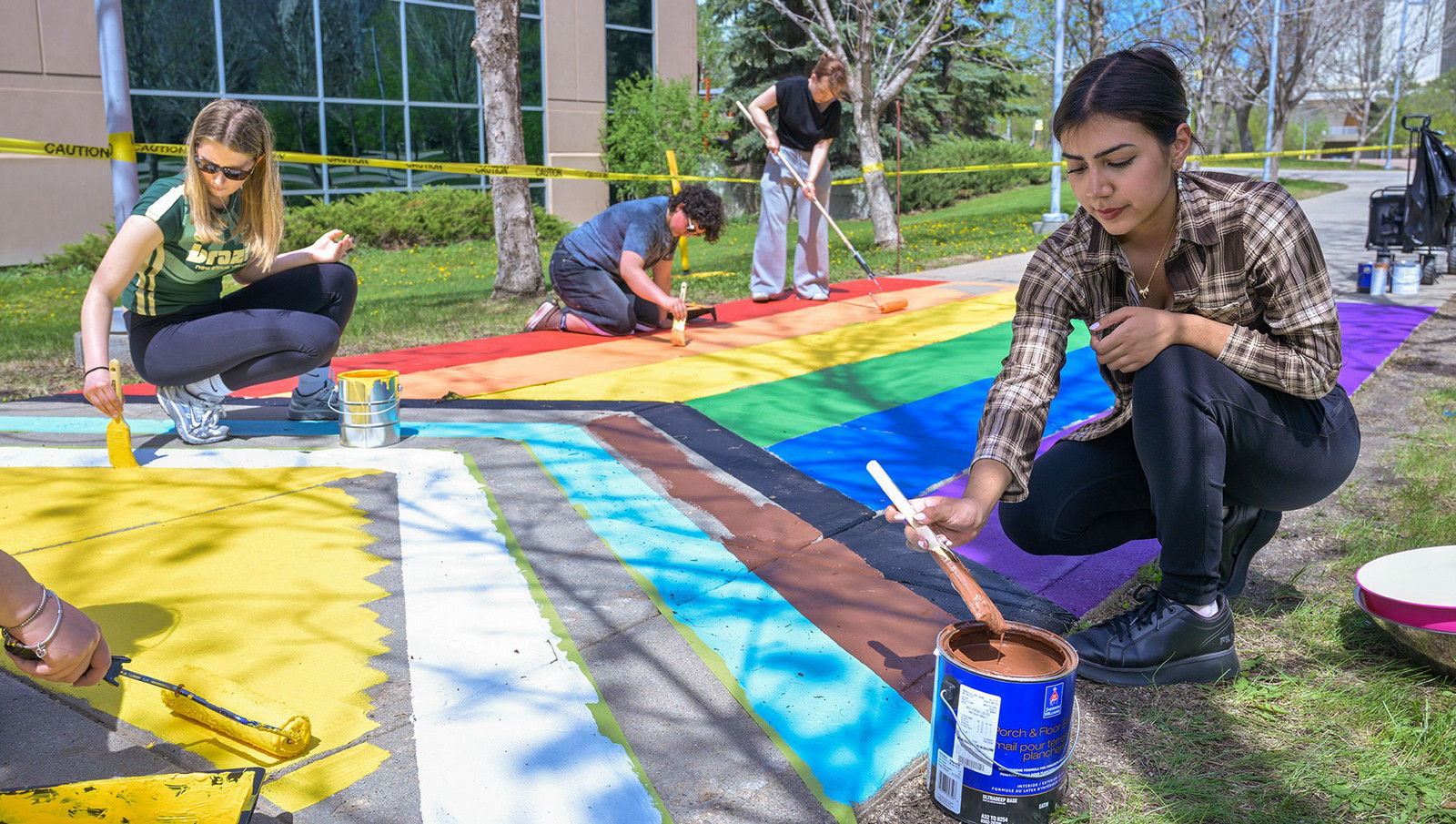
Pride Month Adds a Splash of Colour to the U of R
The campus community came together to paint U of R sidewalks for Pride Month.
Sustainability
Campus Life
Community
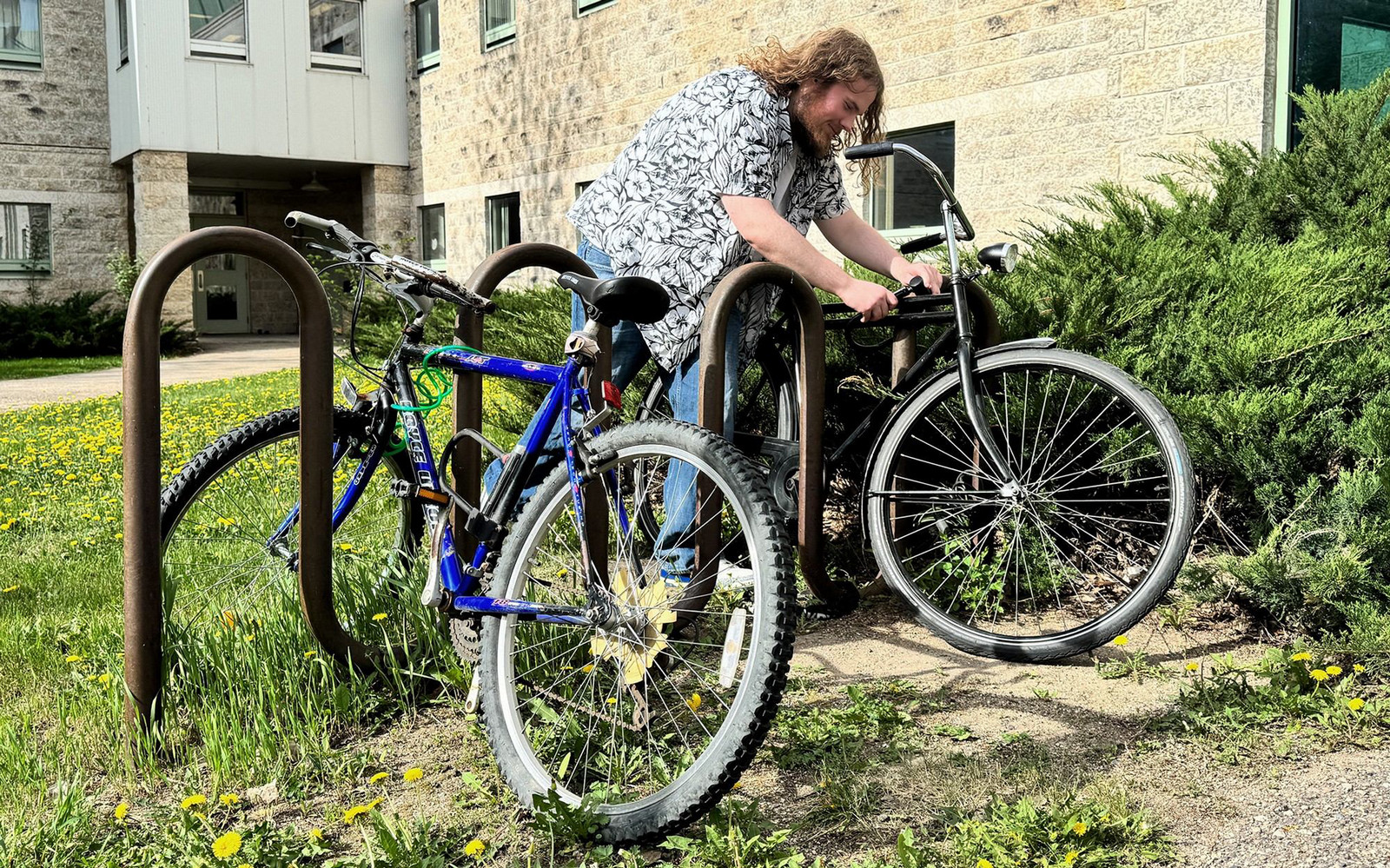
Lock and Loan: How Archer Library & Archives is Making Cycling More Accessible
The Dr. John Archer Library & Archives is making cycling to campus better for students, faculty and staff. The University’s Ride Ready...
Community
Campus Life
Teaching & Learning
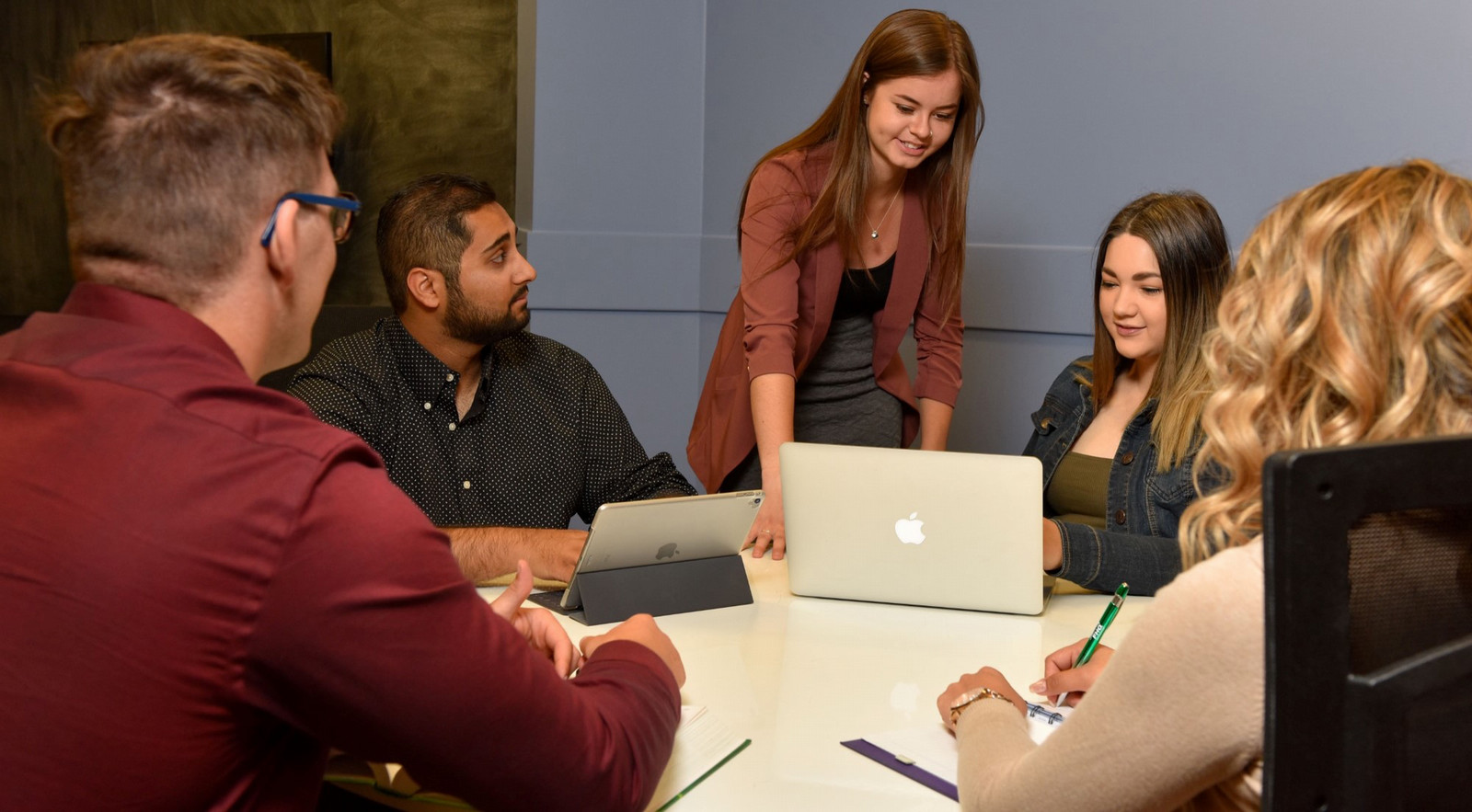
Educating the Next Generation of Digital Marketers and Strategists
New Digital Marketing programs bridge the gap between high-level strategy and hands-on technical skills.

Community
Campus Life
U of R Students Take the Stage at MusicFest Canada
Three U of R students represented Saskatchewan at MusicFest Canada, showing how music can shape futures on and off the stage.
Community
Teaching & Learning
Campus Life
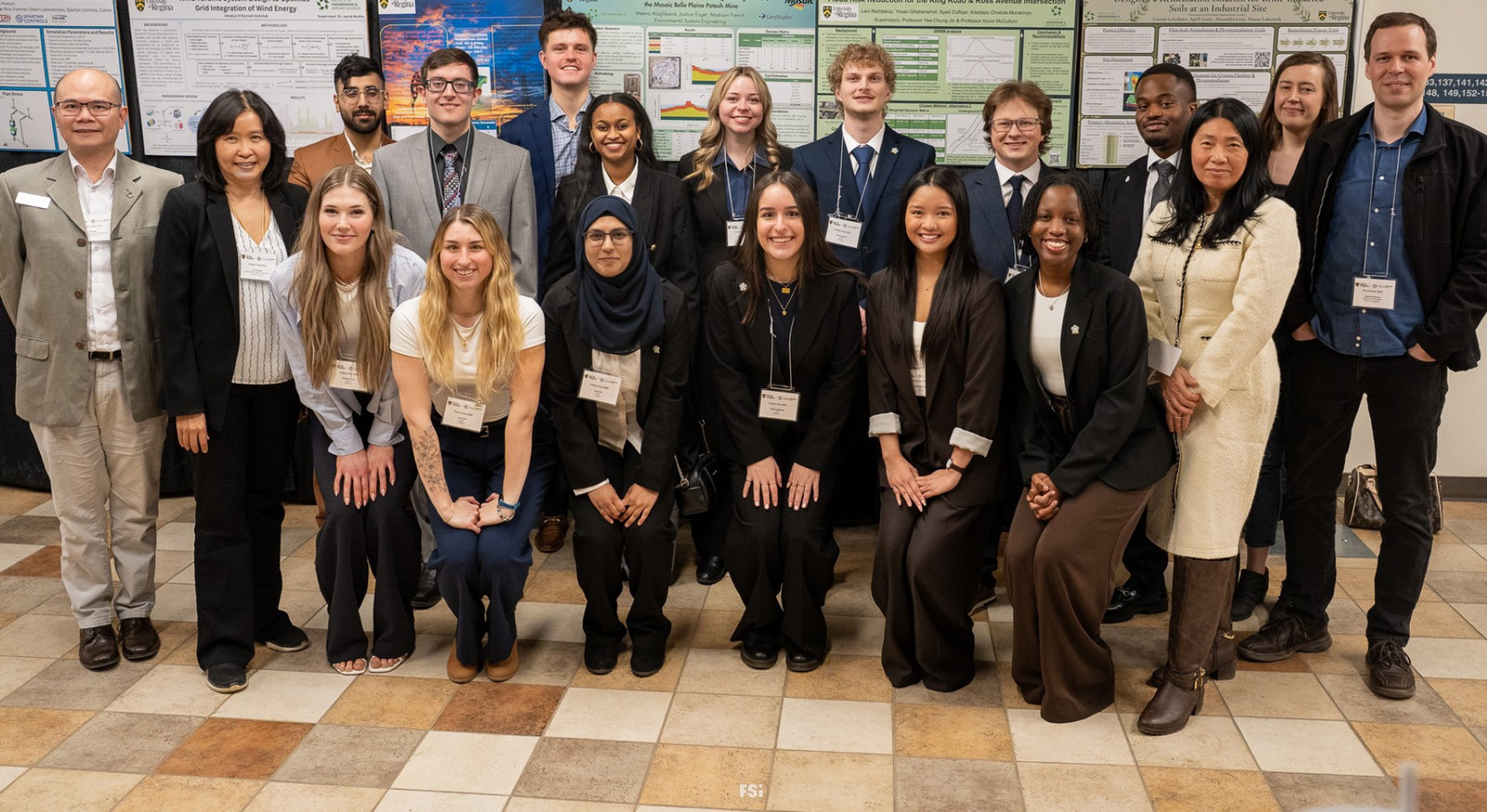
Project Day 2026: U of R Engineering Students Showcase a Bright Future for Saskatchewan
At Project Day 2026, U of R engineering students unveiled capstone projects tackling carbon capture, agri-tech, soil remediation, and more for...
Teaching & Learning
Research
Campus Life
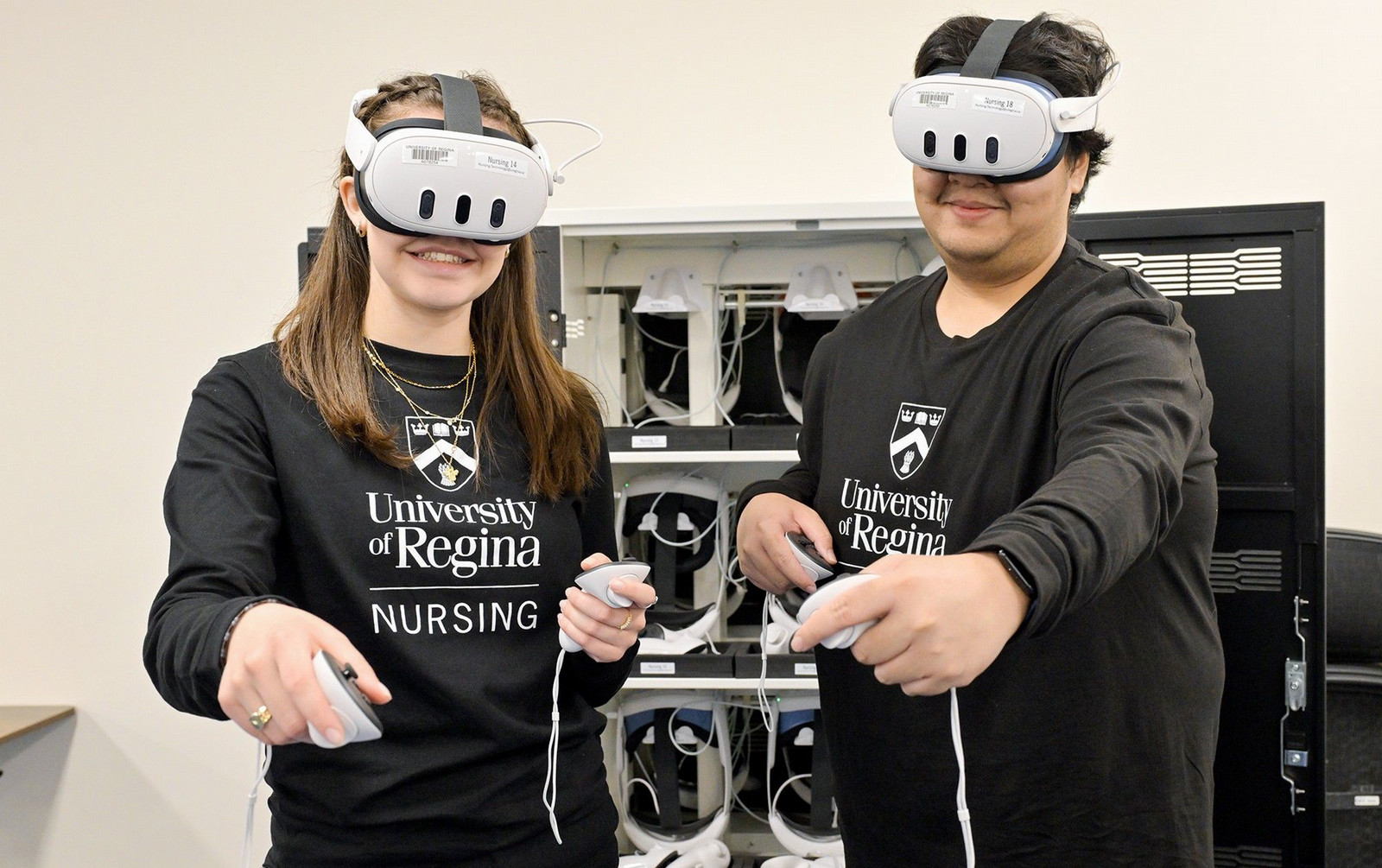
U of R Opens Innovative Nursing Virtual Reality Lab
The Faculty of Nursing’s new Virtual Reality Lab is preparing nursing students for the realities of clinical practice.
Community
Teaching & Learning
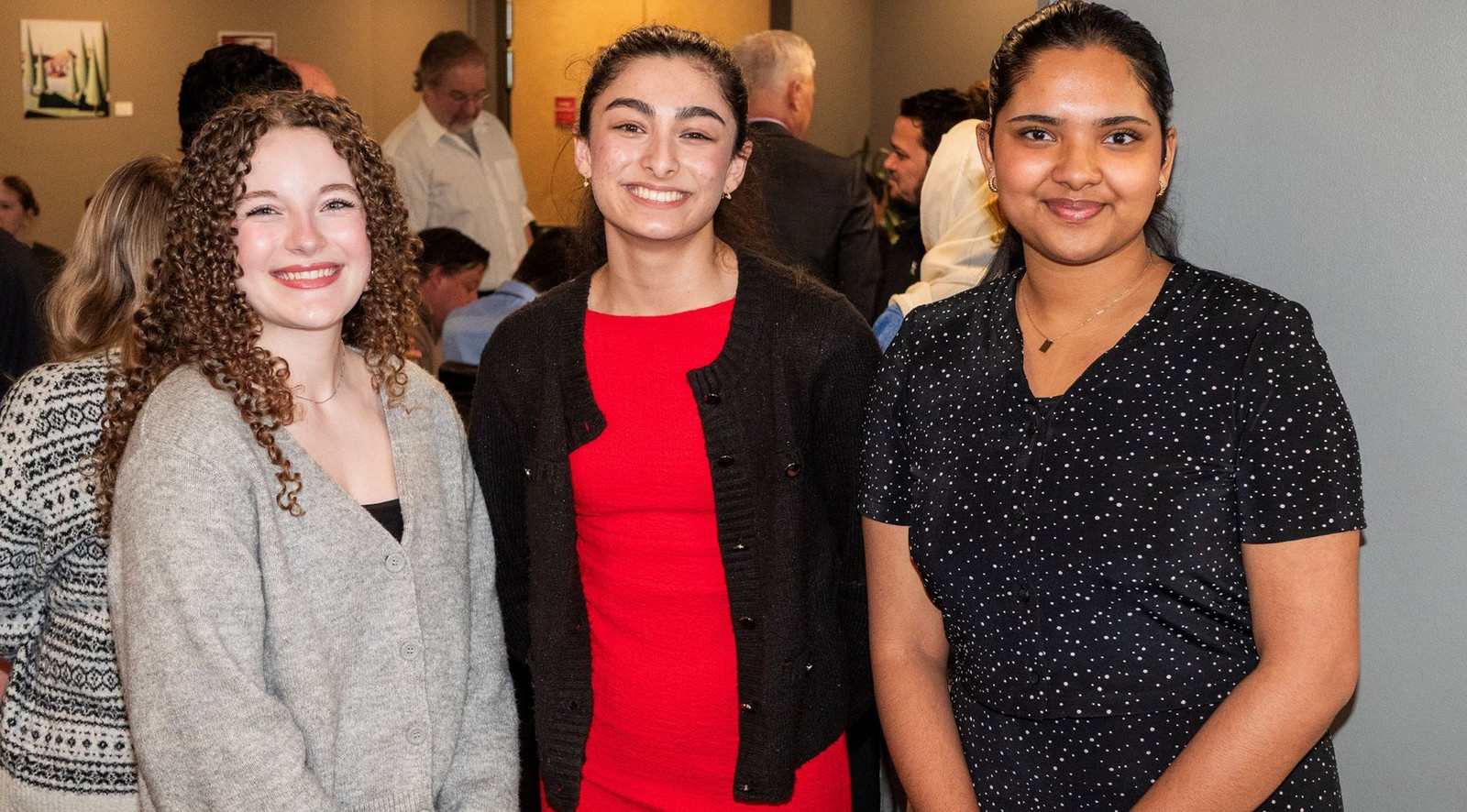
Best and brightest: U of R welcomes 14 future leaders on full Chancellor’s Scholarships
High-achieving, talented students from across SK and BC begin their studies at U of R this fall as recipients of the prestigious Chancellor’s...
Teaching & Learning
Community
Truth & Reconciliation
Research
Campus Life
New Video Celebrates Vision of University of Regina’s New Strategic Plan
Together, We Serve, the U of R’s new strategic plan video, captures the spirit, energy, and collective commitment driving the University...
Campus Life
Teaching & Learning
Alumni
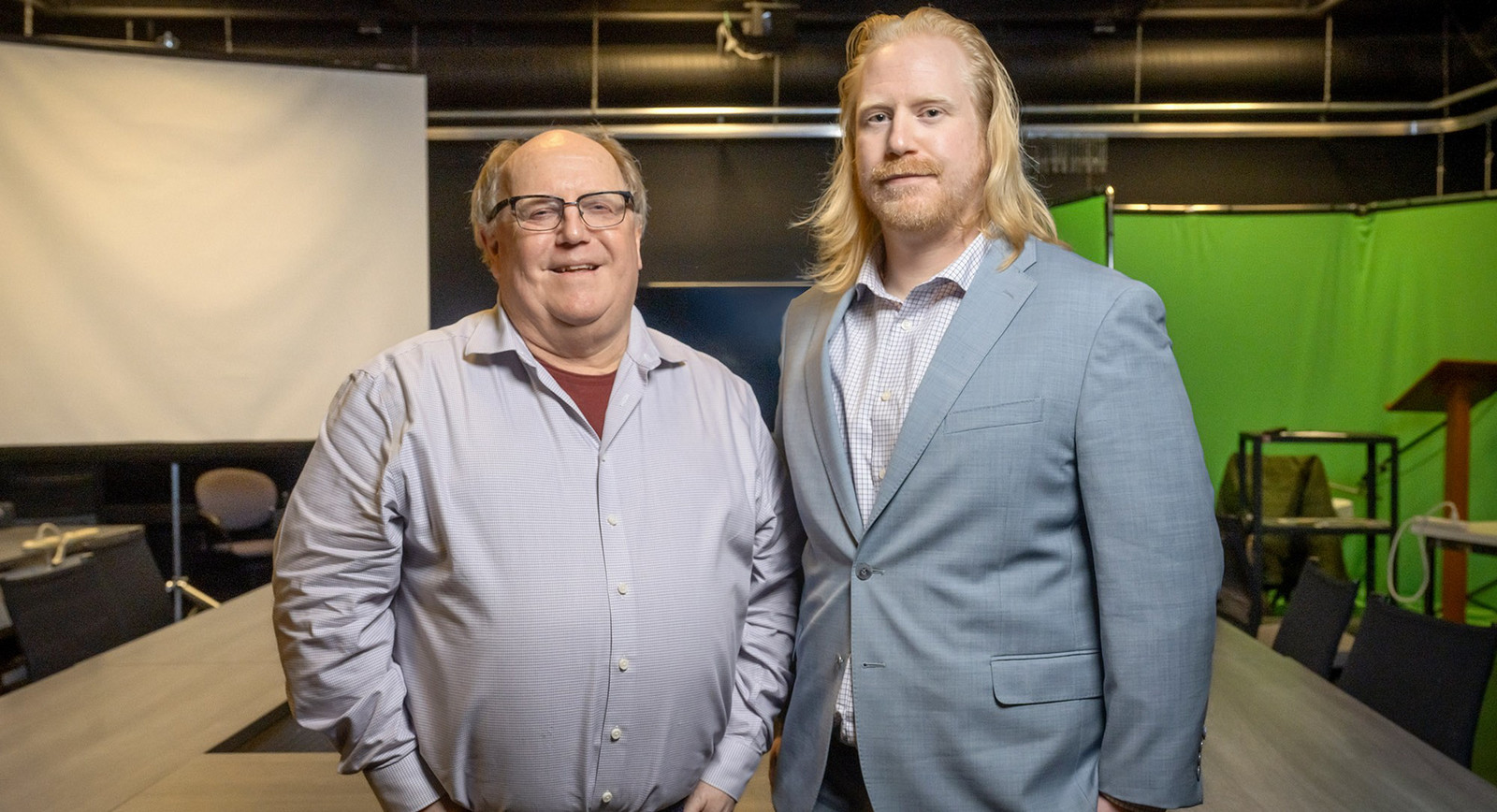
Like Father, Like Son: A Journalism Legacy in the Classroom
Father-and-son duo Darrell and Austin Davis blend decades of experience with fresh digital perspectives as a teaching team for an advanced news...