
Community Engagement and Research Centre (CERC)
What We Do
The Community Engagement and Research Centre in the Faculty of Arts works to build meaningful relationships between the university and our communities through community-engaged research and capacity building.
Community-engaged research is research carried out by university and community researchers to address a need expressed by the community.
Do you have an idea for a collaborative research project? Call or email us to talk about ways to connect with faculty, staff, and students in the Faculty of Arts who can support your research needs.
Find out about funding available through our Community Engaged Research (CER) grants and learn how our undergraduate students are supporting and enhancing organizations in the community through the Arts Work Experience Internship (AWEI) program!
Community-Engaged Research (CER) Grants
Community-Engaged Research (CER) grants support small-scale and/or early-stage research projects or knowledge mobilization initiatives undertaken by Faculty of Arts members in partnership with a non-profit organization, community group, or local government.
Applications will be accepted twice annually on February 1 and September 1. Before applying, please read the Application Instructions.
Reach out to our Community Coordinator at community.engagement@uregina.ca with any questions or to get support in developing a research project.

Arts Work Experience Internship (AWEI)
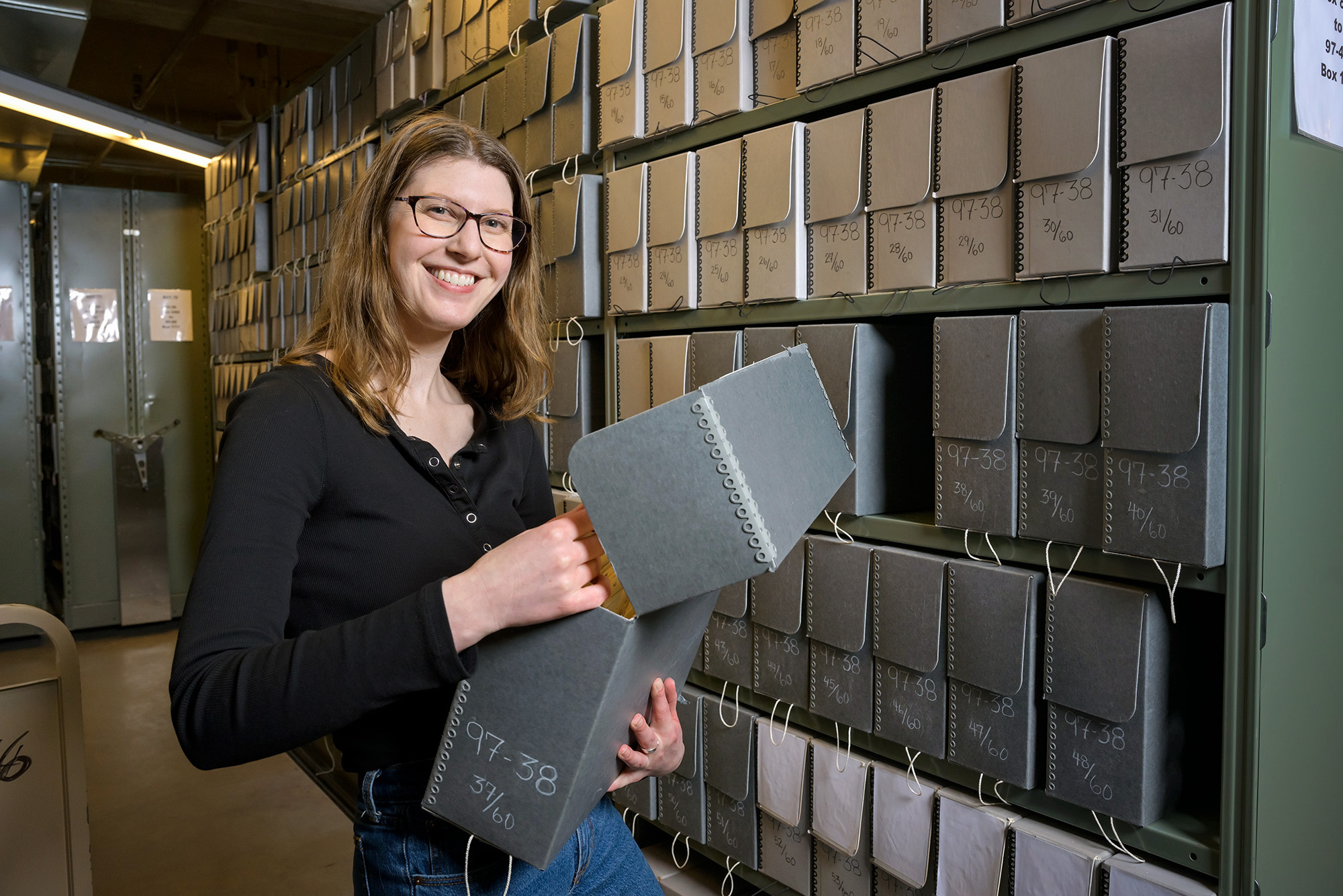
The Arts Work Experience Internship (AWEI) program matches undergraduate students with an organizational partner to complete a one-semester internship. Students receive course credit by working up to 8 hours per week on activities co-developed with the partner organization. Arts internships are designed to offer a mutually beneficial experience for both the student and the partner/host organization.
Contact our Community Coordinator at community.engagement@uregina.ca for more information.
CERC Research Fellows
Faculty members in the Faculty of Arts are invited to become a CERC Research Fellow. Some of the many benefits of being a CERC fellow include:
- Assistance connecting and developing meaningful relationships with community partners for funding proposals
- Support for students and/or Research Assistants through a collaborative “research lab” environment with access to training opportunities, workshops, and mentorship
- Promotion and branding of CERC-affiliated research via our network and website
- Engaging students through experiential learning activities that connect to your projects
- Collaboration and peer-review for grant applications and research projects with other researchers in the Faculty of Arts

Learn More
Composition
The Community Engagement and Research Centre is supported by and located in the Faculty of Arts. Facilitation of the Community Engagement and Research Centre is carried out by the Community Coordinator with input from the Academic Director and overseen by the Associate Dean (Research and Graduate Studies). Together they work with a diverse group of Arts faculty researchers and community organizations to facilitate community-based, community driven research projects across the province.
| Claire Carter | Academic Director | Professor, Department of Gender, Religion and Critical Studies University of Regina |
| Michelle LeMoal | Community Coordinator | Community Engagement and Research Centre University of Regina |
| Tom McIntosh | Associate Dean (Research and Graduate) | Professor, Department of Politics and International Studies University of Regina |

| 2022 PROJECT TITLE | COMMUNITY PARTNER(S) |
| Living Expenses in Ahtahkakoop Cree Nation Community |
Ahtahkakoop Cree Nation Band Office |
| Health and Self: Understanding Barriers to Accessing Community Programming and Supports by Rural and Remote Girls Ages 8-13 in Saskatchewan |
Sask Girls United |
|
Feasible Solutions for Waste Stream |
EnviroCollective |
|
mâmawêyatitân Medicine Garden: |
mâmawêyatitân centre |
| 2021 PROJECT TITLE | COMMUNITY PARTNER(S) |
| Research with kēhtē-ayak (Cree for “Old Ones”) | mâmawêyatitân centre |
| Understanding the Needs of Black, Indigenous, and People of Colour (BIPOC) Residents of Regina's Heritage Neighbourhood |
Heritage Community Association |
| Building a Saskatchewan Accessibility Act: Nothing About Us Without Us |
Barrier Free Saskatchewan; North Saskatchewan Independent Living Centre |
| Digital Professional Development Resources for Regina Based Organizations Serving the Community |
Regina Public Library |
| By Right Not Privilege: Evaluative Research on Saskatchewan’sFree Gladue Writing Project Research |
FASD Network of Saskatchewan; File Hills Qu’Appelle Tribal Council |
| Exploring the Impact of Physical Rehabilitation and Recreational Walking among People in Late Stages of Recovery from Acquired Brain Injury |
Saskatchewan Brain Injury Association |
| 2020 PROJECT TITLE | COMMUNITY PARTNER(S) |
| The Value of Arts and Culture for Community Cohesion |
Saskatchewan Arts Alliance |
| Accessing Healthy Food in Regina 2020 | REACH Regina; Regina Food Bank; Saskatchewan Health Authority |
| Macipiciw: Restoration of Indigenous men's roles and responsibilities |
The YWCA; Newo Yotina Friendship Centre; |
| Play at Home Study | Project Play YQR; Regina Early Years Family Resource Centre |
| Settlement Work in Schools During COVID-19 | Saskatchewan Association of Immigrant Settlement and Integration Agencies |
| Development of Modern Technology and Programming for Interactive Firesafety Lessons with ElementarySchool Children |
Regina Fire and Protective Services |
| Renewing Regina's Theatre Community | Renewing Regina’s Theatre Coalition |
| 2019 PROJECT TITLE | COMMUNITY PARTNER(S) |
| Evaluating Mental Health Realities for 2SLGBTQIAP+ People in Regina |
UR Pride Centre |
| Uncovering Hidden Homelessness in Regina | Circle Project; Poverty-Free Saskatchewan |
| Strengthening Family Reunification |
YWCA Regina; RPIRG; |
| 2018 PROJECT TITLE | COMMUNITY PARTNER(S) |
| The State of Saskatchewan Trails Report | Saskatchewan Trails Association; Saskatchewan Parks and Recreation Association; Saskatchewan Parks, Culture and Sport; Resort Communities Association of Saskatchewan; Saskatchewan In Motion; Saskatchewan Association of Rural Municipalities; Saskatchewan Urban Municipalities Association |
| Rest Assured: Changes to the Saskatchewan Assured Income for Disability Program and the Impact on Beneficiaries |
Saskatchewan Disability Income Support Coalition |
| 2017 PROJECT TITLE | COMMUNITY PARTNER(S) |
| Assessing the Programming Needs for Two-Spirit Youth in Regina |
Heritage Community Association; |
| Should Saskatchewan History be relaunched? A Feasibility Study to Determine a Way Forward |
Heritage Saskatchewan |
| 2016 PROJECT TITLE | COMMUNITY PARTNER(S) |
| Urban Agriculture Best Practices for the City of Regina |
Food Regina |
| Farmers, Policy, and Local Food Systems in Saskatchewan: Barriers and Opportunities |
Food Regina; Saskatchewan Health Authority |
| Reconciliation in the Media: Building Relationships for Better News Coverage |
FNUniv INCA Program; |
| Rails To Trails Conversion Guide |
Saskatchewan Trails Association; |
| Factors affecting Uilization of Preventive Healthcare Services among Immigrant Women in Regina |
Regina Immigrant Women Centre |
| After Rehabilitation: Meeting the Long-Term Housing Needs of Persons with Traumatic Brain Injury in Regina, SK |
Saskatchewan Brain Injury Association; |
| 2015 PROJECT TITLE | COMMUNITY PARTNER(S) |
| A Review of Global Citizenship Education in Saskatchewan Schools |
Saskatchewan Council for International |
| Farmers, Policy, and Local Food Systems in Saskatchewan: Barriers and Opportunities |
Food Regina; Saskatchewan Health Authority |
| Interpersonal Violence and Abuse and Animal Safekeeping |
STOPS to Violence; |
| Seniors Neglect and Abuse Response Line – A Systems and Services Review of Regina Qu’Appelle Health Region |
Saskatchewan Ministry of Health- |
| 2014 PROJECT TITLE | COMMUNITY PARTNER(S) |
| Campus Living Wage Campaign |
RPIRG;Saskatchewan Federation of Labour |
| Interpersonal Violence and Abuse and Animal Safekeeping |
STOPS to Violence; |
| Improvising with iPads: A Partnered Inquiry into Technology-based Music Therapy, Improvisation and Cultural Expression in Health Settings |
Native Health Services- Wascana Rehabilitation |
| Position Paper on Canada’s Prostitution Legislation |
PATHS |
| Anonymous Reporting & Third Option Program Pilot Project |
Regina Sexual Assault Centre; |
| Climate Action Plan (CAP) Engineering Assessment and Design |
Saskatchewan EcoNetwork (SEN); |
| 2013 PROJECT TITLE | COMMUNITY PARTNER(S) |
| Of Land and Living Skies: A Community Journal on Place, Land and Learning |
Saskatchewan Outdoor and Environmental |
| African Canadian Saskatchewan Forum | African Canadian Saskatchewan Forum Workign Committee; Multicultural Council of Saskatchewan |
| Cooking Fires in Regina |
Regina Fire & Protective Services |
| Evaluation of the Regina Community Food Assessment |
Regina Qu’Appelle Health Region; |
| Saskatchewan Living Wage Project |
Canadian Centre for Policy Alternatives - |
| Housing First Project |
Carmichael Outreach |
| SCIC's 40th Anniversary History Project |
Saskatchewan Council for International |
| Are Students with Children Getting the Support they Need to Succeed in Higher Education?: An Exploration of the University of Regina Community |
Regina Parents as Students Success |
| 2012 PROJECT TITLE | COMMUNITY PARTNER(S) |
| Campus Compost Project |
Facilities Management; URSU; |
| 2011 PROJECT TITLE | COMMUNITY PARTNER(S) |
| Ecole Connaught Community School: 100 Years of Community and Education |
Ecole Connaught Centennial Committee |
| Mapping Corporate Power in Saskatchewan |
Saskatchewan Public Policy Working Group; |
| REACH Outcomes Measurement |
REACH; Regina Early Learning Centre |
| Saskatchewan Poverty Elimination Public Involvement Program |
Family Services Regina; |
| Sheatre's Far From the Heart: Assessing the Impact |
ESOLVE; Indigenous Peoples Health Research |
| Bridging the Gap: Regina Landlords and Renters on Social Assistance |
Carmichael Outreach; |
| Exploring Schools as Community Hubs |
Save Athabasca School Committee |
| Crime-Free Multi-Housing |
Queen City Tenants' Association; |
| 2010 PROJECT TITLE | COMMUNITY PARTNER(S) |
| SACHM Centennial History Project |
Saskatchewan African-Canadian Heritage |
| Voices in Education: An Exploration of Digital Storytelling |
Save Our Schools |
| 2009 PROJECT TITLE | COMMUNITY PARTNER(S) |
| The Cost of Healthy Eating |
Regina & District Food Bank; |
| North Central Community History | North Central Community Association; RPIRG |
| The Women of Washington Park Place | Ehrlo Community Services |
| 2008 PROJECT TITLE | COMMUNITY PARTNER(S) |
| Court Breach Alternatives |
Regina Alternative Measures Program (RAMP) |
| Building SEED Regina | SEED Regina; North Central Community Organization |
| North Central Housing Facilitator | North Central Community Association (NCCA); Homelessness Partnering Strategy; |
Feature Stories

Arts in Action! U of R Students Turn Classroom Learning into Real-World Experience
Where can an Arts degree lead? For students at the University of Regina, opportunities like the Arts Work Experience Internship (AWEI) are answering that question long before graduation.
By bridging classroom learning with hands-on placements in community organizations and research labs, students are clarifying their career paths, building professional confidence, and making a community impact.

Community-Campus Meet and Greet
CERC hosted a virtual Community-Campus Meet and Greet event on May 28 , 2026 to bring together community members and researchers to discuss shared values and interests around themes such as arts and culture, social equity, health and wellbeing, and more. We had 11 attendees from across sectors attend to share their research focus or a need that their organization has. We hope to be able to grow these connection events to continue conversations and partnerships. Thank you to everyone who was able to join us!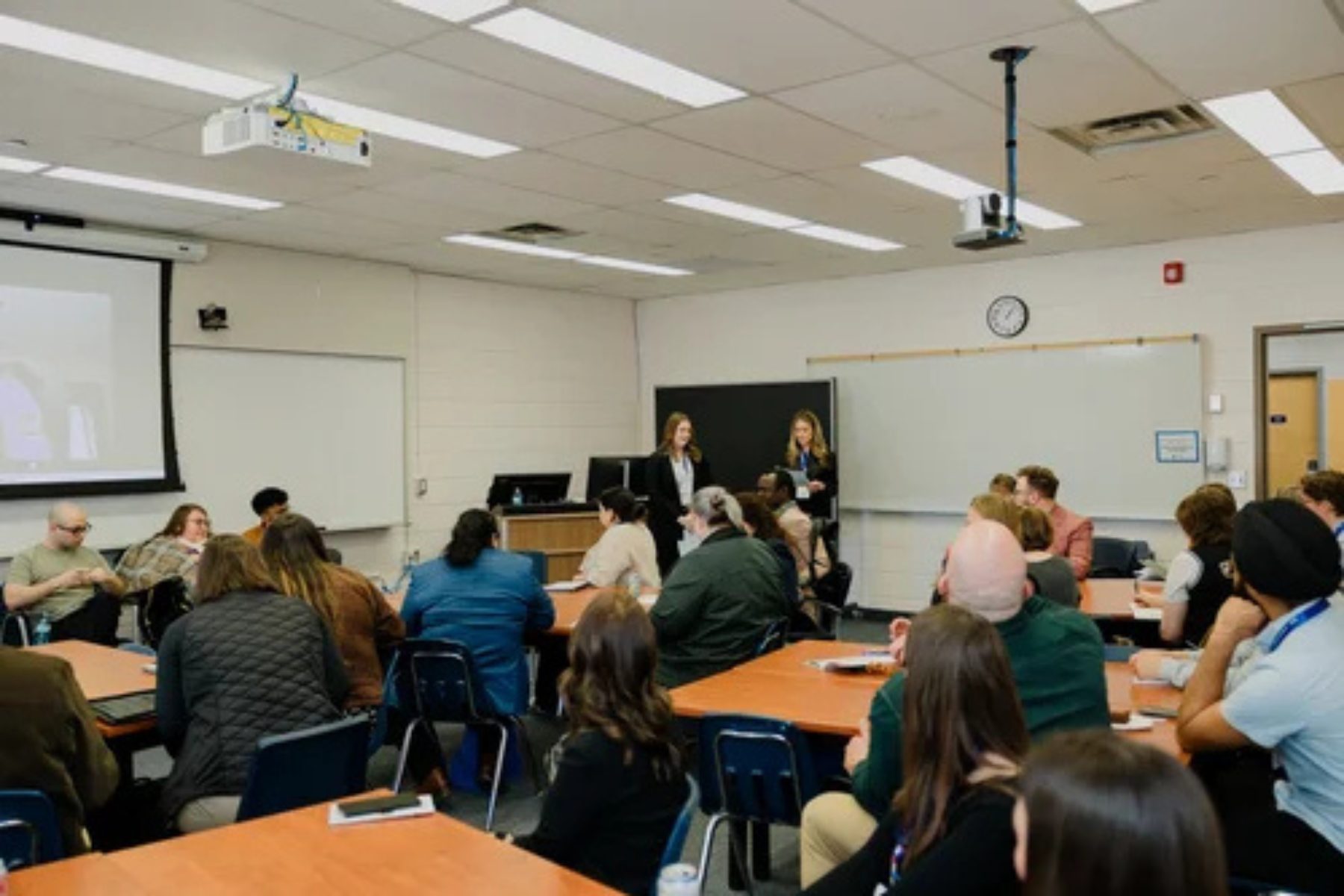
2026 Reimagining Non-Profits Conference
Reimagining Non-Profits is a two-day capacity building conference for non-profit professionals, volunteers, and students across Saskatchewan. At this year's conference, CERC hosted a panel session called And Then What? Community-Engaged Research in Practice with former Community-Engaged Research (CER) Grant recipients. We had a wonderful conversation about the impact of community-engaged research and how organizations can use data and consultations to further their mission and create change in their communities.
Newsletter Sign-Up
Contact Us
Drop By
Classroom Building 411
University of Regina
Mailing Address
Community Engagment and Research Centre
c/o Dean of Arts Office
3737 Wascana Parkway
University of Regina
Regina, SK S4S 0A2
Michelle LeMoal, Community Coordinator
Phone: 306-585-4226
Email: Community.Engagement@uregina.ca
Dr. Claire Carter, Academic Director
E-mail: Claire.Carter@uregina.ca