Leading the Way: U of R accelerates nuclear energy innovation to power our future
For more than two decades, the University of Regina has been strategically building its nuclear research capacity, expertise, educational programming, training, and infrastructure to lead Saskatchewan in developing safe, clean, sustainable energy technologies that will meet the urgent and growing demand for low-carbon energy.
“The University of Regina is at the forefront of research and development in the nuclear industry with one overarching goal in mind—to meet western Canada’s urgent and growing demand for safe low-emissions energy,” says Chris Yost, Vice-President (Research).
As the world searches for solutions to reduce our greenhouse gas emissions, nuclear power and small modular reactors (SMRs) are increasingly in the spotlight as a potential response. However, safety, licensing, and operating challenges exist. Strategies to resist or mitigate corrosion are required and must be studied before new SMRs can be licensed.
The University is well-positioned in southern Saskatchewan to support small modular reactor innovation in nuclear energy, provide hands-on training for SaskPower engineers, and educate the next generation of students, preparing them for future roles in the nuclear sector.
University of Regina faculty and students have developed educational initiatives in nuclear energy, our notable partnerships are paving the way for exciting nuclear developments, while our leading U of R researchers are pushing the boundaries of nuclear technology, and re-imagining the governance pathways needed to support Saskatchewan’s clean energy transition.
World-class Research Facilities
In collaboration with national and local energy sector partners, the University of Regina is working to create facilities that enable researchers and students to safely study advanced nuclear technology, test new designs for small modular reactors, and improve safety systems—most notably through the development of the University’s Small Modular Reactor Safety, Licensing, and Testing Centre (SMR-SLT Centre).
Currently, Saskatchewan does not have a nuclear test loop facility, a critical infrastructure project that would contribute to the province’s nuclear power capabilities and the development of SMRs to meet energy needs.
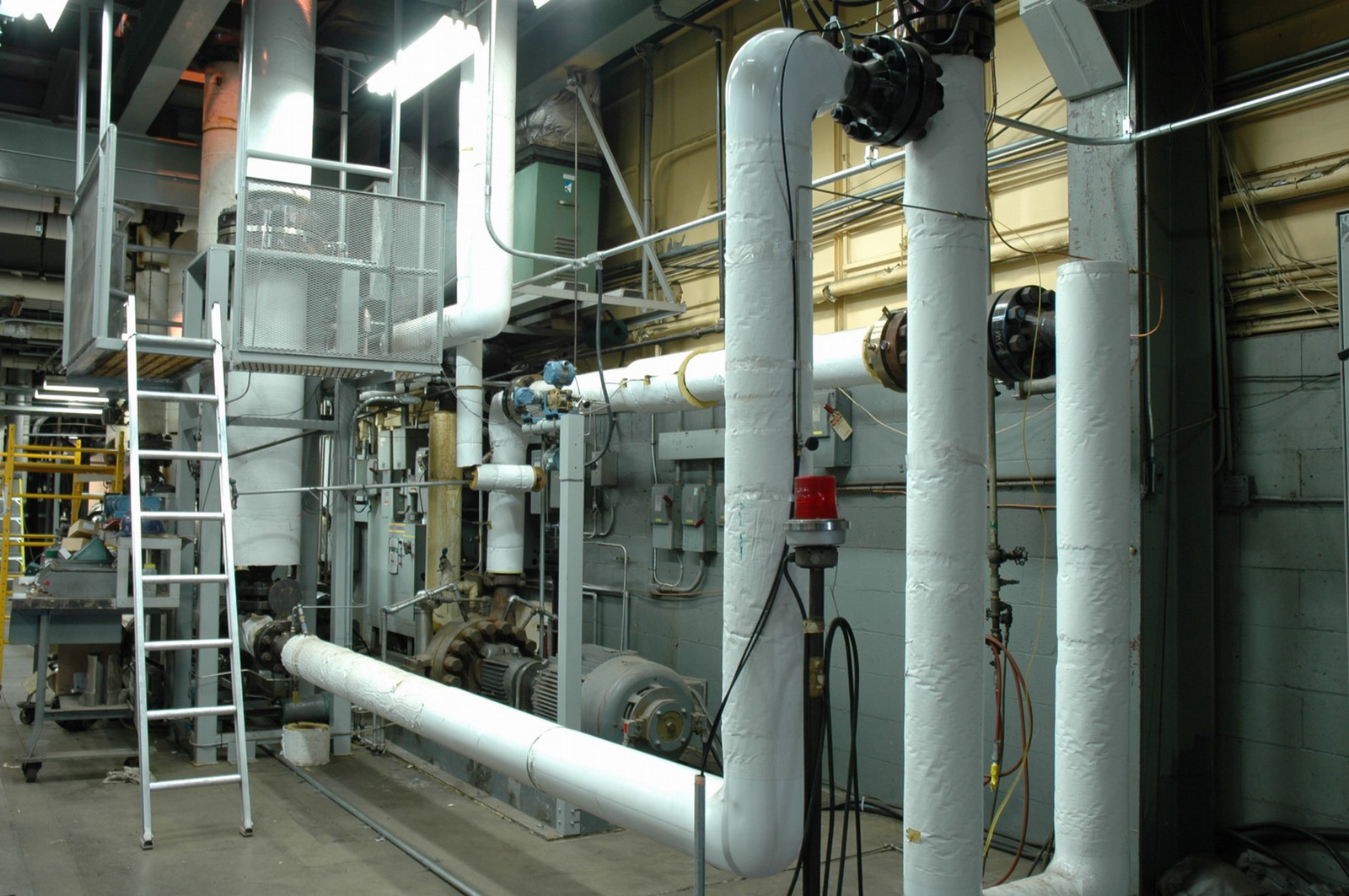
Nuclear test loop facilities, such as those in the U of R’s proposed SMR Safety, Licensing, and Testing Centre, will play a vital role in addressing these challenges and ensuring the safe development of nuclear energy in a non-nuclear test environment. The use of test loops is integral at all stages of nuclear reactor design, development, licensing, training, and operation. By replicating the conditions found in small modular reactors, the loops will provide vital corrosion and fuel testing, and drive ongoing improvement, innovation, and excellence in the local SMR fuel supply chain.
Enduring Partnerships
Community and industry collaborations, bolstered by substantial strategic investments, are vital to ensuring the continued growth of Saskatchewan’s nuclear innovation efforts, including:
- In 2025, the Government of Saskatchewan, through SaskPower, is investing $6.3 million over the next six years to establish four nuclear research chairs at post-secondary institutions in the province, including at the University of Regina.
- In summer of 2024, Innovation Saskatchewan invested more than $580,000 in three research projects at the University of Regina in nuclear energy, subatomic physics, and high-performance computing in nuclear science through the Innovation and Science Fund.
- In fall of 2024, Atomic Energy of Canada Limited (AECL), Canada’s nuclear Crown corporation, and Canadian Nuclear Laboratories (CNL), Canada’s premier nuclear science and technology laboratory signed an agreement with the University of Regina to pursue collaborative research opportunities in nuclear science and technology, pursue unique educational opportunities, share specialized infrastructure, and contribute to the development of new, innovative technologies.
- In 2022, the Sylvia Fedoruk Canadian Centre for Nuclear Innovation partnered with the University of Regina to establish the first Fedoruk Chair in Neutron Imaging, opening doors of opportunity for applied research, and expanding nuclear research skill development for students at the U of R.
Leading U of R Researchers Shaping Nuclear Innovation and Energy Transition
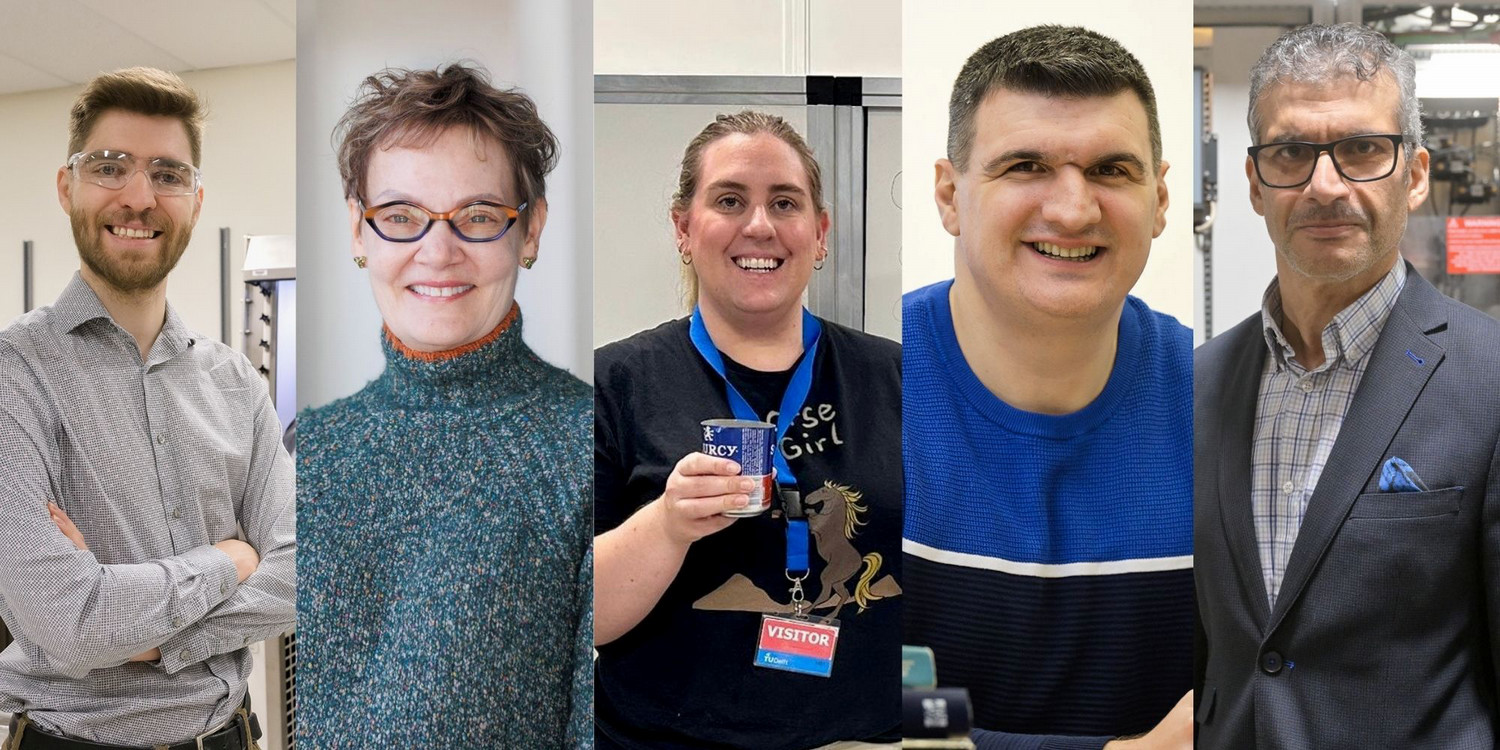
Dr. Arthur Situm, the Canada Research Chair in SMR Safety and Licensing, is one of the foremost researchers on the development of zero-emission modular reactor technology. He leads the Small Modular Reactors (SMR) Fuel Corrosion Lab at the U of R, which focuses on investigating the challenges involving the corrosion and corrosiveness of nuclear fuel that is proposed for use in various SMR designs. His team’s primary aim is to improve safety and support licensing of these designs.
Dr. Margot Hurlbert, the Canada Research Chair in Climate Change, Energy and Sustainability Policy in the Johnson Shoyama Graduate School of Public Policy, is leading the discovery of what change is needed and can be made in social, institutional, and governance structures, and, most importantly, in peoples’ perceptions, to address climate change and transition to net zero carbon emissions by 2050. Dr. Hurlbert’s interdisciplinary research and impact have resulted in her appointment to the Research Board of the World Meteorological Organization, the Intergovernmental Panel on Climate Change, Guest Editor of the Nuclear Technology Journal, and the Interdisciplinary Work Group Chair of the National Coordination Initiative of Radiation Research, Canada.
Dr. Marcella Berg, the Fedoruk Chair in Neutron Imaging since 2022, is enhancing the U of R’s research capacity in the field of materials research with neutron beams, opening the doors for applied research and the development of nuclear research skills for students in Saskatchewan.
Dr. Gojko Vujanovic’s group is studying nuclear matter under extreme conditions by developing physics-based numerical simulations to constrain its properties. These simulations also push the boundary of what our computational algorithms and technology can achieve. As a result, advances in fundamental research will help develop new technologies, such as computational accelerators, which are needed to significantly expedite calculations related to supercomputing and AI.
Dr. Irfan Al-Anbagi, a professor in the Faculty of Engineering and Applied Science, spearheads the Microgrid Living Lab, which is the first-of-its-kind facility in Saskatchewan. This lab provides a real-world, hands-on learning hub for researchers, students, and industry partners to study and experiment with microgrid design, energy storage, and clean energy research. This initiative is part of the University of Regina’s broader goal of shaping how sustainable, carbon-neutral energy can be produced in the province.

Dr. Kelvin Tsun Wai Ng is the Canada Research Chair in Environmental Sustainability, Director of the Waste Management System Design Laboratory (WMSD Lab), and a world leader in waste management research. For many off-grid and rural communities, small modular reactors (SMRs) provide quick, low-cost deployment of sustainable energy and are a central pillar for achieving a net-zero economy in Canada by 2050. Unlike used nuclear fuel, the transportation, storage, and disposal of low- and intermediate-level wastes produced by SMRs are poorly understood. Based on their research conducted in the WMSD Lab, Ng’s group has recently published important studies in this area, supporting Canada’s development of evidence-based waste policy.
Dr. Grant Wilson is an associate professor of Marketing & Innovation and the Nuclear Business Research Scholar at the Hill Levene School of Business. Dr. Wilson's research focuses on marketing, strategy, and innovation. He has published over 35 peer-reviewed articles in top management journals including Technological Forecasting & Social Change, Journal of Small Business Management, Research-Technology Management, and Journal of Business Strategy. His most recent research explores how conspiracy beliefs, marketing value propositions, public education, and scientific knowledge influence public support for nuclear power.
Professional Education and Community-focused Engagement
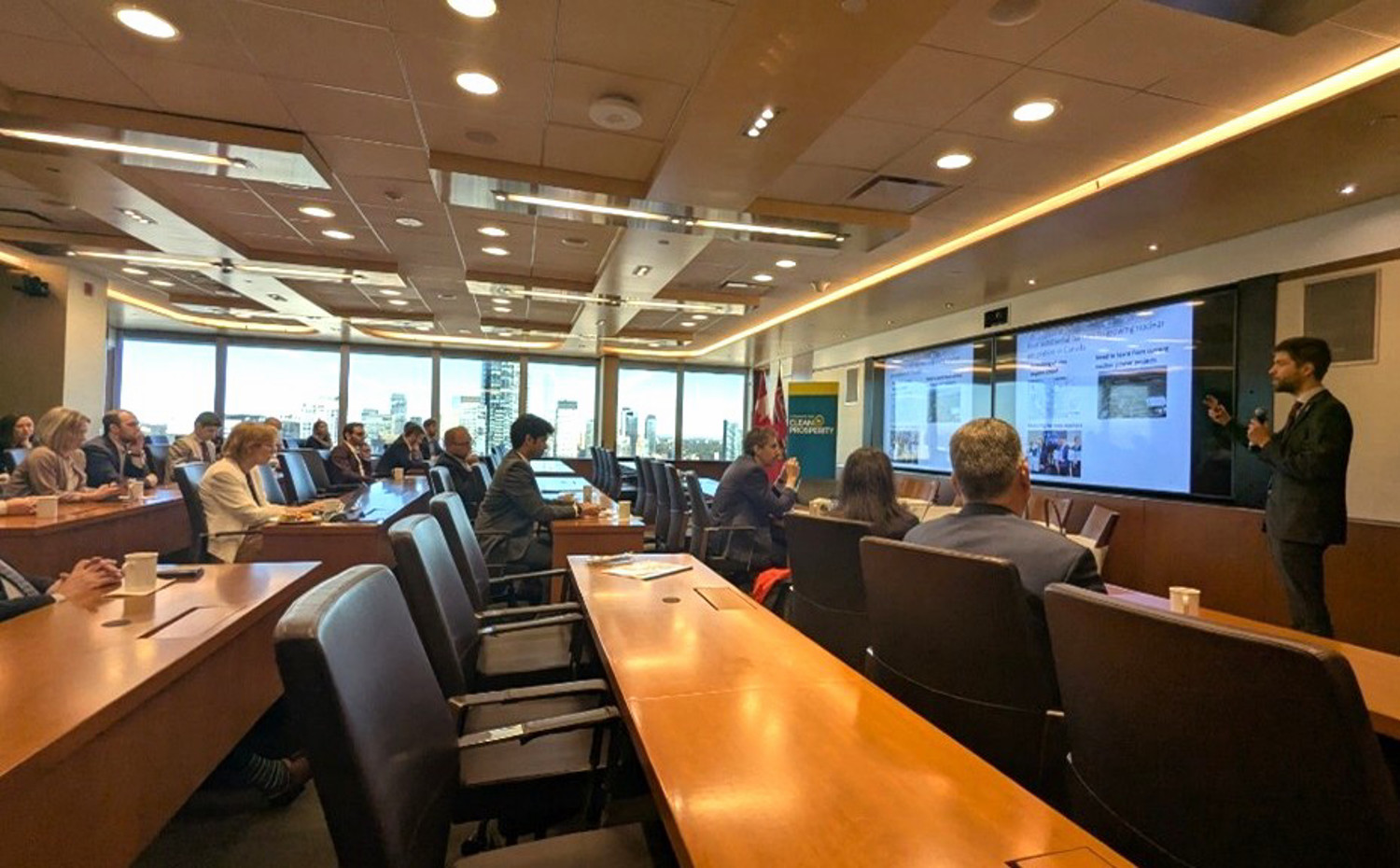
Nuclear education for energy-sector professionals
Preparing a highly skilled workforce for a nuclear energy industry is vital to ensuring Saskatchewan has the capacity needed to meet Canada’s rigorous safety standards and safely and efficiently transition to clean energy production. Through its world-class researchers, the U of R provides key educational programs. Dr. Arthur Situm teaches a Nuclear Energy Engineering course every fall for energy sector professionals who work at organizations such as SaskPower, SRC-Nuclear, Rio Tinto, SIMSA, CNL, and Clean Prosperity. He also teaches a course in Nuclear Regulatory Affairs for students who are employees at SaskPower and the Impact Assessment Agency of Canada. Beginning in the winter of 2026, Dr. Situm is teaching a course on the Corrosion of Nuclear Materials to energy sector professionals.
NAYGN launches new U of R Chapter
In the spring of 2025, the North American Young Generation in Nuclear (NAYGN) launched a new chapter at the University of Regina. The U of R Chapter helps undergraduate and graduate students connect with nuclear industry organizations and professionals and explore career opportunities, and provides valuable insights into the nuclear energy sector. Chapter activities include Lunch and Learn sessions in collaboration with SaskPower and the Canadian Nuclear Society, as well as larger, day-long events such as the CNL x NAYGN Day, which featured presentations from Canadian Nuclear Laboratories (CNL) to discuss the future of small modular reactors and nuclear energy in Canada.
Banner photo: Downtown Regina, Saskatchewan. Credit: iStock