The Development of Inclusive Practice in Beginning Teachers
In celebration of the U of R’s 50th Anniversary, the Faculty of Education is pleased to host a lecture bringing together thought leaders, academics, students, and community members to discuss the development of inclusive practices in beginning teachers.
Dr. Jacqueline Specht believes that all students belong and are valued members of their neighbourhoods and school communities. Teachers must first possess beliefs that support inclusion before they can develop the knowledge and skills necessary to implement effective inclusive practices.
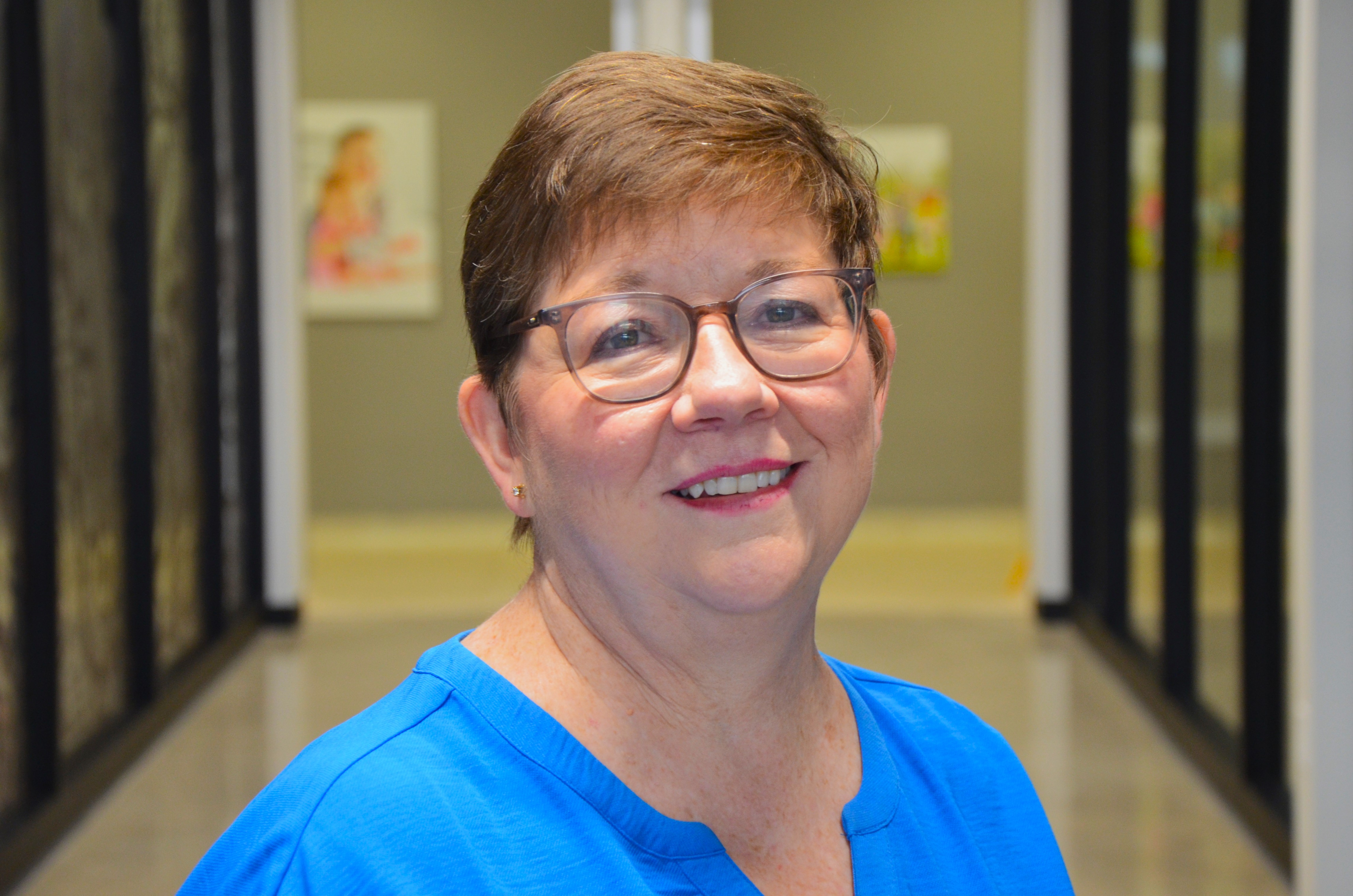
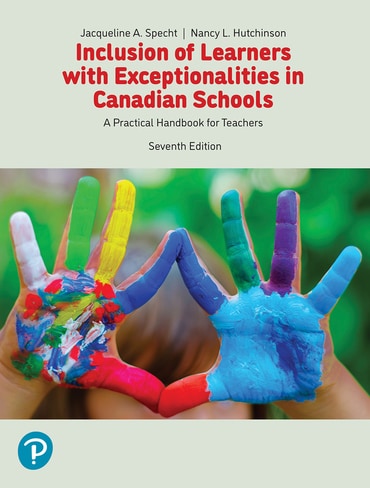
Dr. Jacqueline Specht is a professor and the director of the Canadian Research Centre on Inclusive Education at the University of Western Ontario. The Centre aims to empower educators with the knowledge they need to be effective with all students in the K-12 schooling system. Dr. Specht’s research expertise is in inclusive education with a focus on educators, leaders, and parents and their roles in developing effective schools for all students. She has worked with schools nationally and internationally to support their transition to inclusive education. Her recent textbook, Inclusion of Learners with Exceptionalities in Canadian Schools, is used in initial teacher education programs across Canada. Dr. Specht is the recipient of the CAEP Robbie Case Memorial—a biennial award recognizing individuals who have made major contributions to Educational Psychology in Canada.
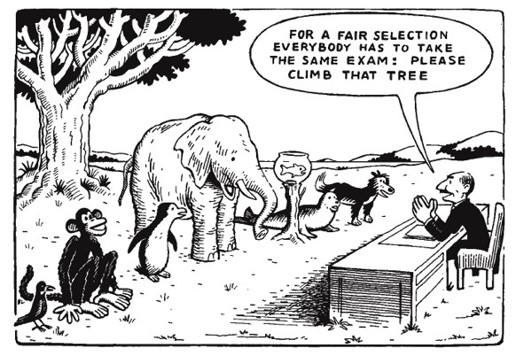
Dr. Specht’s roles as a researcher, an educator, and a parent fueled her commitment to inclusion. Drawing on a strength-based approach, she critiques the special education system, which often labels children negatively to secure support. She sees the importance of recognizing children as unique individuals with gifts and strengths, rather than focusing on deficits.
Instead of separating the children with special education needs, Dr. Specht believes that they should be in the same classroom as the other children.
“Merely allowing students with disabilities to attend assemblies does not equate to true inclusivity,” Dr. Specht says.
Segregation prevents meaningful interactions among students. It limits understanding and acceptance. By isolating children with disabilities, schools miss opportunities for mutual learning among all students. It undermines that confidence of regular classroom teachers to teach kids with disabilities.
True inclusion means embracing differences and fostering a sense of belonging for all students, particularly those with disabilities.
“As teachers, it's very important to go in with a positive attitude, a positive belief that all kids belong and are valued in my classroom and in my school,” Dr. Specht notes.
Dr. Specht introduces the "heart, head, and hands" model (the 3-H model) for teacher education, suggesting that teachers need to believe in the value of all students, acquire knowledge on inclusive practices, and gain practical experiences.
Outlining findings from her research, Dr. Specht emphasizes that fostering inclusive beliefs is an essential part of teacher education. She also points out the critical role of collaboration with school personnel in shaping beliefs, efficacy, an instructional practice for new teachers. Positive experiences can enhance teacher confidence, while negative ones can diminish it.