
For hundreds of students, staff, faculty, alumni, and community partners, the University of Regina’s new Accessibility Plan began with a simple but meaningful invitation: tell us what gets in your way.
Over the course of a year, the response was powerful. People shared experiences of ramps and doorways, yes, but they also spoke candidly about attitudes, policies, and everyday interactions that can either open doors or quietly close them.
This Accessibility Plan was shaped by hundreds of voices from our community over the past year, and reflects a profound truth: accessibility is more than just physical spaces. It is about fostering a culture of empathy and fulfilling a shared commitment to ensuring that every student, staff member, and faculty member feels that they are seen, valued, and empowered. This is the next chapter in our long history of building a truly welcoming campus, and it is a responsibility we all share. — Dr. Jeff Keshen, President and Vice-Chancellor, University of Regina
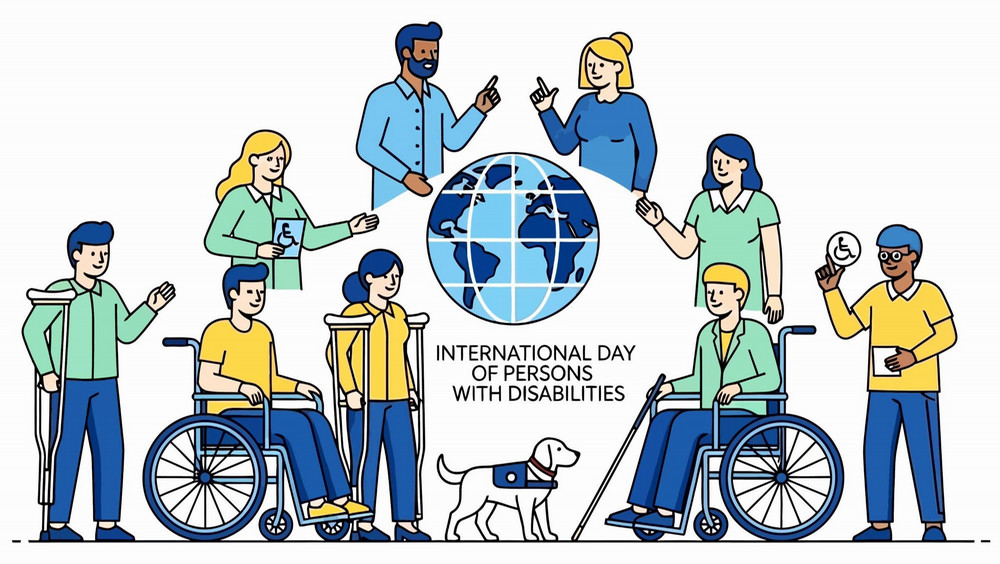
On December 3, in honor of the International Day of Persons with Disabilities, the U of R launched its institutional Accessibility Plan. This comprehensive, multi-year strategy aims to identify, remove, and prevent barriers across all campuses. It is more than a document; it is a public commitment to action, a roadmap for cultural change, and a direct response to the ‘2023 Accessible Saskatchewan Act’.
Saskatchewan’s Accessible Saskatchewan Act ensures all public sector organizations, including post-secondary institutions, present comprehensive accessibility plans created in collaboration with individuals with disabilities by the end of 2025. While physical infrastructure is crucial, one of the most powerful insights that emerged from a year of intensive community consultation was that true accessibility is something more ubiquitous, it is lived and felt in the everyday interactions between people.
The power of lived experience
The foundation of the 2025-2028 Accessibility Plan is grounded on the lived experiences of the U of R community. Led by the Accessibility Plan Development Committee, co-chaired by Danni Kenzle, Associate Vice-President (Human Resources), John D. Smith, Associate Vice-President (Student Affairs), and Dr. Sujatha Ross, Advisor for Equity, Diversity, and Inclusion and Team Lead for the plan's development. Committee members, representing faculty, staff, and students, were fully engaged in every step of the process, from providing input on the engagement and survey questions to offering extensive feedback on the many drafts of the plan, which helped ensure it reflected all the voices we heard.
The development process included a comprehensive environmental scan and resulted in one of the most extensive consultations in recent University history. This involved a broad campus-wide survey that garnered nearly 600 responses, in-person engagement sessions with students, faculty, and staff, as well as targeted consultations with external partners such as the Big Sky Centre for Learning and Being Astonished! Inc., the Canadian National Institute for the Blind (CNIB), Creative Options Regina, Inclusion Saskatchewan, and the Saskatchewan Deaf and Hard of Hearing Society.
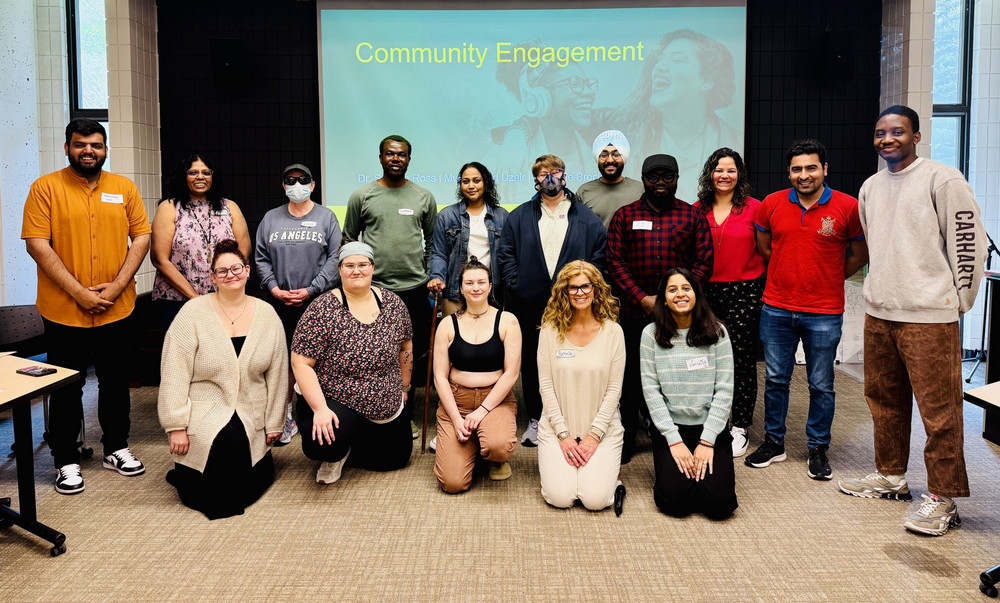
"One of the most powerful pieces of feedback we received was how often people emphasized attitudes and everyday interactions, not only ramps, doors, or elevators," says Dr. Sujatha Ross, Advisor for Equity, Diversity, and Inclusion and the Team Lead for the plan's development. "That insight shifted our lens. It reminded us that forms of inclusion and support may seem small or routine to some, but for someone already navigating multiple barriers, a single positive or negative interaction can be the difference between staying and leaving."
This human-centric insight is the heart of the plan. As Ross notes, the objectives recognize that accessibility is "something lived and felt in daily relationships, not just in infrastructure."
A plan built by the community
The Accessibility Plan is structured around six key barrier areas identified during the consultations: Physical, Attitudinal, Information & Communication, Systemic, Technological, and Community & Cultural. This framework ensures the University takes a holistic approach that goes beyond mere compliance.
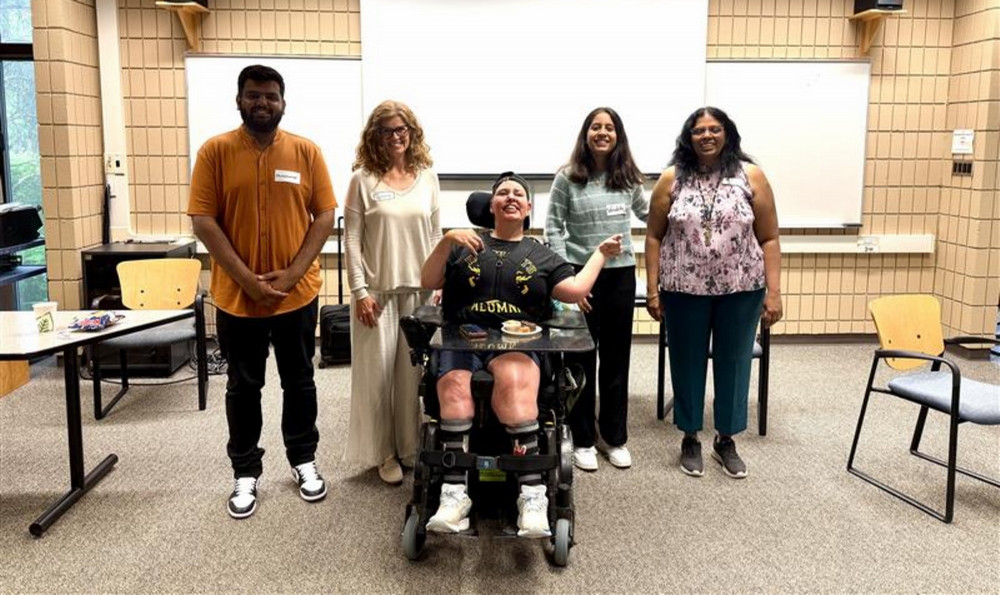
For Danni Kenzle, Associate Vice-President of Human Resources and Committee Co-Chair, this represents a fundamental shift towards shared responsibility in the workplace. "The Accessibility Plan aims to create an environment where every faculty member, staff member, and student feels valued and supported," Kenzle says. "By integrating accessibility into everyday practices like communication, technology use, and physical spaces, we can reduce barriers and promote equity. This shift will help normalize inclusive behaviors, making accessibility a shared responsibility and a visible part of our campus culture."
She adds that early "wins", like making documents compatible with screen readers and using plain language, send a strong message that accessibility is integrated into everyday operations. These initial successes help build trust and momentum as the university strives to embed these principles throughout all HR systems and processes.
Fostering a culture of belonging
From the student perspective, the plan builds on a strong foundation of existing supports, including the Student Accessibility Office, the Campus for All program, and the state-of-the-art Brad Hornung Accommodations Test Centre.
"The University of Regina has an extensive infrastructure already in place," notes John D. Smith, Associate Vice-President (Student Affairs) and Co-Chair of the Development Committee. "This plan will build on the programs and departments already established for our students as we endeavor to achieve greater awareness and understanding of the varying and expanding needs of our students. It recognizes that accessibility is not only about physical spaces but also about attitudes, systems, technologies, and communication. When the needs of students and staff, both physical and invisible, are addressed, it removes barriers to academic and professional success."
Building on a long history
This holistic approach is a source of pride for President and Vice-Chancellor Jeff Keshen. "This Accessibility Plan was shaped by hundreds of voices from our community over the past year, and reflects a profound truth: accessibility is more than just physical spaces. It is about fostering a culture of empathy and fulfilling a shared commitment to ensuring that every student, staff member, and faculty member feels that they are seen, valued, and empowered. This is the next chapter in our long history of building a truly welcoming campus, and it is a responsibility we all share."
That long history stretches from the community spirit of students in the 1960s who carried a classmate in a wheelchair up the stairs of the old College Building, to the construction of ramps, elevators, automatic doors, and accessible washrooms, to the pioneering efforts of individuals like Brad Hornung to the opening of state-of-the-art spaces like the Brad Hornung Accommodations Test Centre. President Keshen emphasizes that this work is central to the university's strategic plan, All Our Relations: kahkiyaw kiwâhkômâkaninawak, affirming that our greatest strength lies in our interconnectedness.
Ultimately, the 2025-2028 Accessibility Plan is designed to be an "evergreen" document, a living plan that will be reviewed, enhanced, and adapted over time. It represents a collective commitment, moving the university from a mindset of compliance to a shared culture of care. As President Keshen noted when the committee's work first began, this is a "marathon, not a sprint," and every contribution helps to "move the needle" in making the University of Regina a truly welcoming and accessible place for all.
Banner image: Credit: Adobe Stock Images
About the University of Regina
At the University of Regina, we believe the best way to learn is through access to world-class professors, research, and experiential learning. We are committed to the health and well-being of our more than 16,600 students and support a dynamic research community focused on evidence-based solutions to today’s most pressing challenges. Located on Treaties 4 and 6—the territories of the nêhiyawak, Anihšināpēk, Dakota, Lakota, and Nakoda peoples, and the homeland of the Michif/Métis nation —we honour our ongoing relationships with Indigenous communities and remain committed to the path of reconciliation. Our vibrant alumni community is more than 95,000 strong and enriching communities in Saskatchewan and around the globe.
Let’s go far, together.