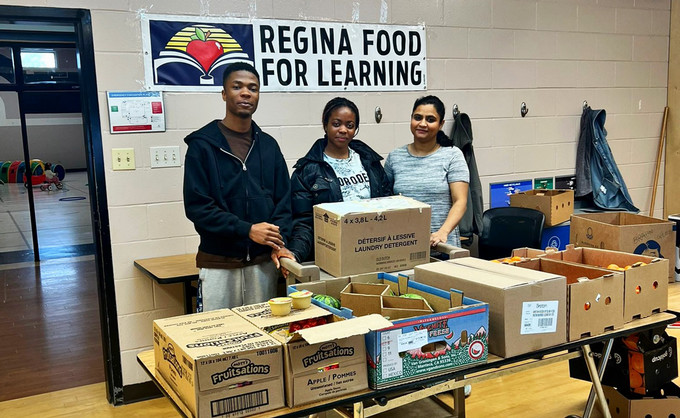
Earlier this year, two University of Regina students started an initiative that, much like the holiday season, is marked by giving, gratitude, and gathering around good food. Helping Hands began as a simple idea in May, but it has quickly grown into one of the most compassionate student-led efforts on campus.
That first day we brought fruitcake to Carmichael instead of the usual bread, the smile on people’s faces is something I’ll never forget. Just seeing people happy makes me happy. — Hephzibah Ohaji, third-year U of R Health Studies student.
Helping Hands was founded by third-year Health Studies student Hephzibah Ohaji and fourth-year Science student Ezenwa Francis Chikezie, who both arrived in Regina as international students from Nigeria. The project centres on a simple but urgent mission: getting food into the hands of people who need it most.
Helping Hands works directly with community partners to reach children, families, and individuals who are experiencing instability or displacement. By baking and distributing food regularly and responding quickly to emerging needs such as the influx of wildfire evacuees this past summer, the students offer comfort, dignity, and consistency at a time when many are struggling.
Ohaji says the motivation behind the project is simple: helping people because it’s the right thing to do.
“I’ve always felt happiest when I’m able to help someone,” she says. “Even when I was little, my mom took me along to her medical outreach work, and I saw how much a small act of kindness could mean. That stayed with me. Helping people isn’t something I think about, it’s just something I do.”
Chikezie shares the same feeling. “I don’t like seeing people struggle,” he says. “Back home I volunteered tutoring students, and I learned that giving your time can change someone’s whole day. When we started Helping Hands, it wasn’t for recognition, we just wanted to help because people needed it.”
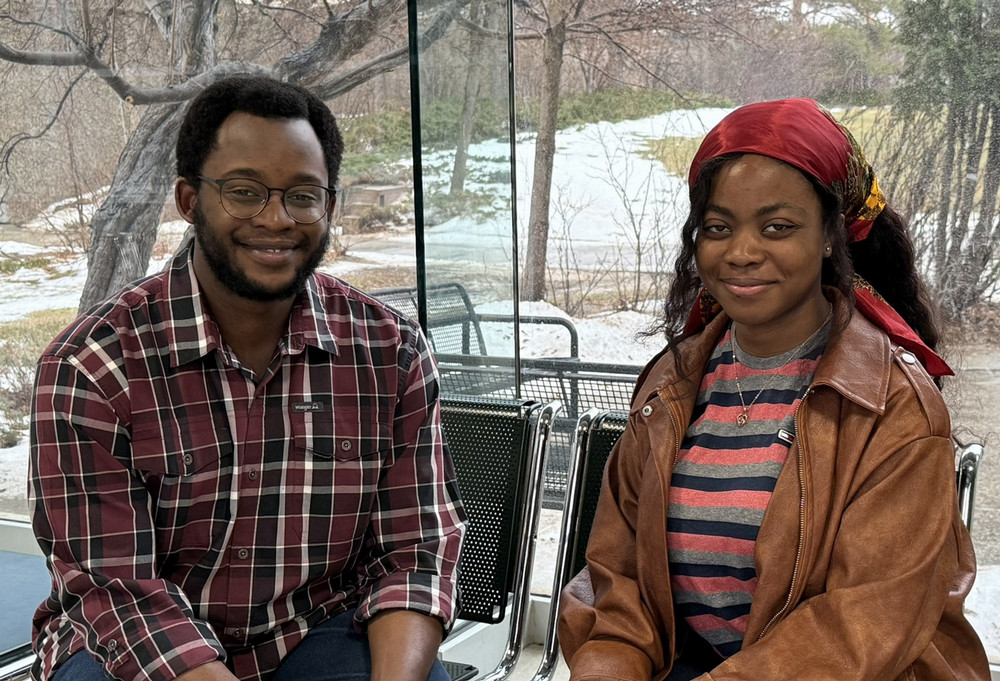
The initiative received support from Dr. Harold Riemer, Dean of the Faculty of Kinesiology and Health Studies, who guided the students toward community partners and connected them to campus networks. These collaborations, the students say, have helped them identify critical needs, particularly among children facing food insecurity and community members living with challenging health conditions.
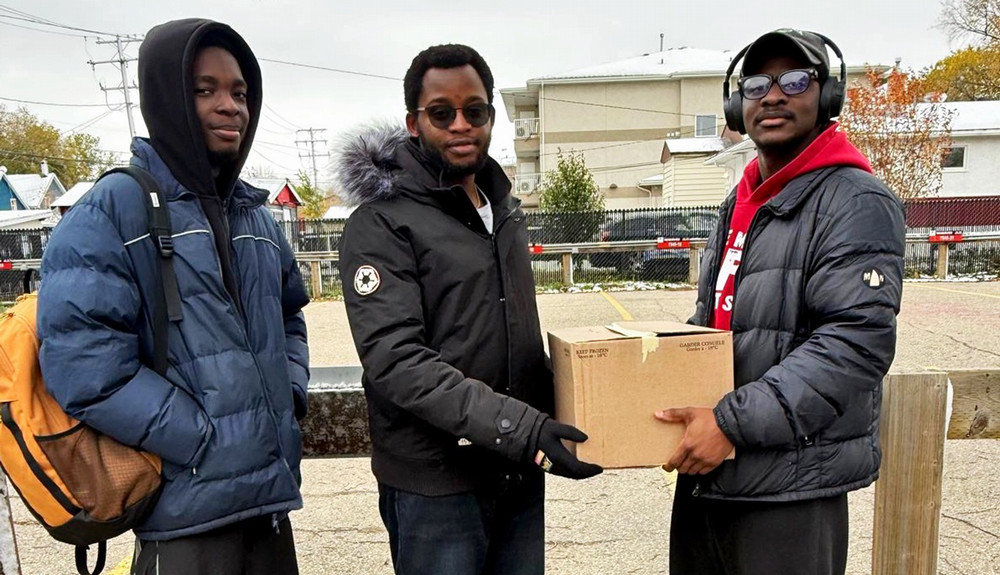
That drive soon evolved into weekly baking, cooking, and food deliveries. Working entirely with their own earnings they purchased ingredients, cooked, baked, and delivered food to four partner agencies: Marian Centre, Carmichael Outreach, Regina Food for Learning, and the community fridge on campus.
“We just made a budget every two weeks,” Chikezie says. “Whatever we earned from working part-time, we put together and bought what we needed. It wasn’t much, but it helped.”
Word spread quickly. Soon, nine other students joined their team. Ohaji’s mother, in Nigeria, even sent support when she could, providing flour to offset the rising costs of specialty ingredients.
“That first day we brought fruitcake to Carmichael instead of the usual bread, the smile on people’s faces is something I’ll never forget,” Ohaji says. “Just seeing people happy makes me happy.”
The students’ passion for the project eventually made its way to University of Regina President Dr. Jeff Keshen, who helped connect them with volunteer services, campus partners, and potential funding opportunities. With encouragement from the University, Helping Hands is now working toward becoming a registered non-profit and launching a website that will share recipes, highlight volunteer needs, and guide donors to support their work.
Helping Hands aims to expand its reach, attract new volunteers, and build relationships with local growers, including the Regina Public Interest Group (RPIRG), the U of R campus group which has offered produce from its campus garden next year.
“I was very impressed when I met with Ezenwa and Hephzibah,” says Dr. Jeff Keshen. “Their commitment to lifting others up before themselves is truly remarkable. They are a powerful example of how much change two determined, selfless individuals can inspire within an entire community.”
Like many holiday stories, the essence of Helping Hands is simple: young people choosing generosity, not because they were asked, but because they saw a need.
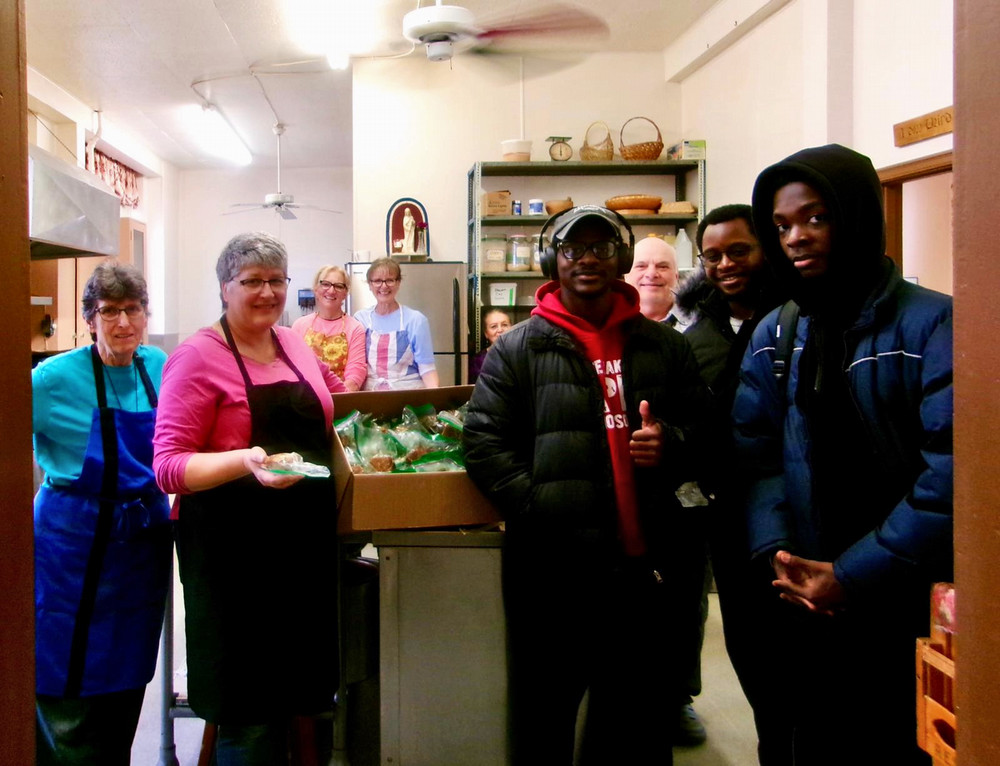
“We just wanted to do what we could,” Ohaji says. “Now that more people want to help, we want to grow. We want to reach as many people as possible.”
In a season defined by warmth, compassion, and shared meals, Helping Hands offers a reminder that the most meaningful gifts are not wrapped, they are baked, delivered, and shared from the heart.
Banner Image: University of Regina students giving back through Helping Hands, supporting families and individuals through food and compassion. Photo Courtsey of Ezenwa Francis Chikezie
About the University of Regina
At the University of Regina, we believe the best way to learn is through access to world-class professors, research, and experiential learning. We are committed to the health and well-being of our more than 16,600 students and support a dynamic research community focused on evidence-based solutions to today’s most pressing challenges. Located on Treaties 4 and 6—the territories of the nêhiyawak, Anihšināpēk, Dakota, Lakota, and Nakoda peoples, and the homeland of the Michif/Métis nation —we honour our ongoing relationships with Indigenous communities and remain committed to the path of reconciliation. Our vibrant alumni community is more than 95,000 strong and enriching communities in Saskatchewan and around the globe.
Let’s go far, together.