Education and research in Earth sciences advance Canadian energy security
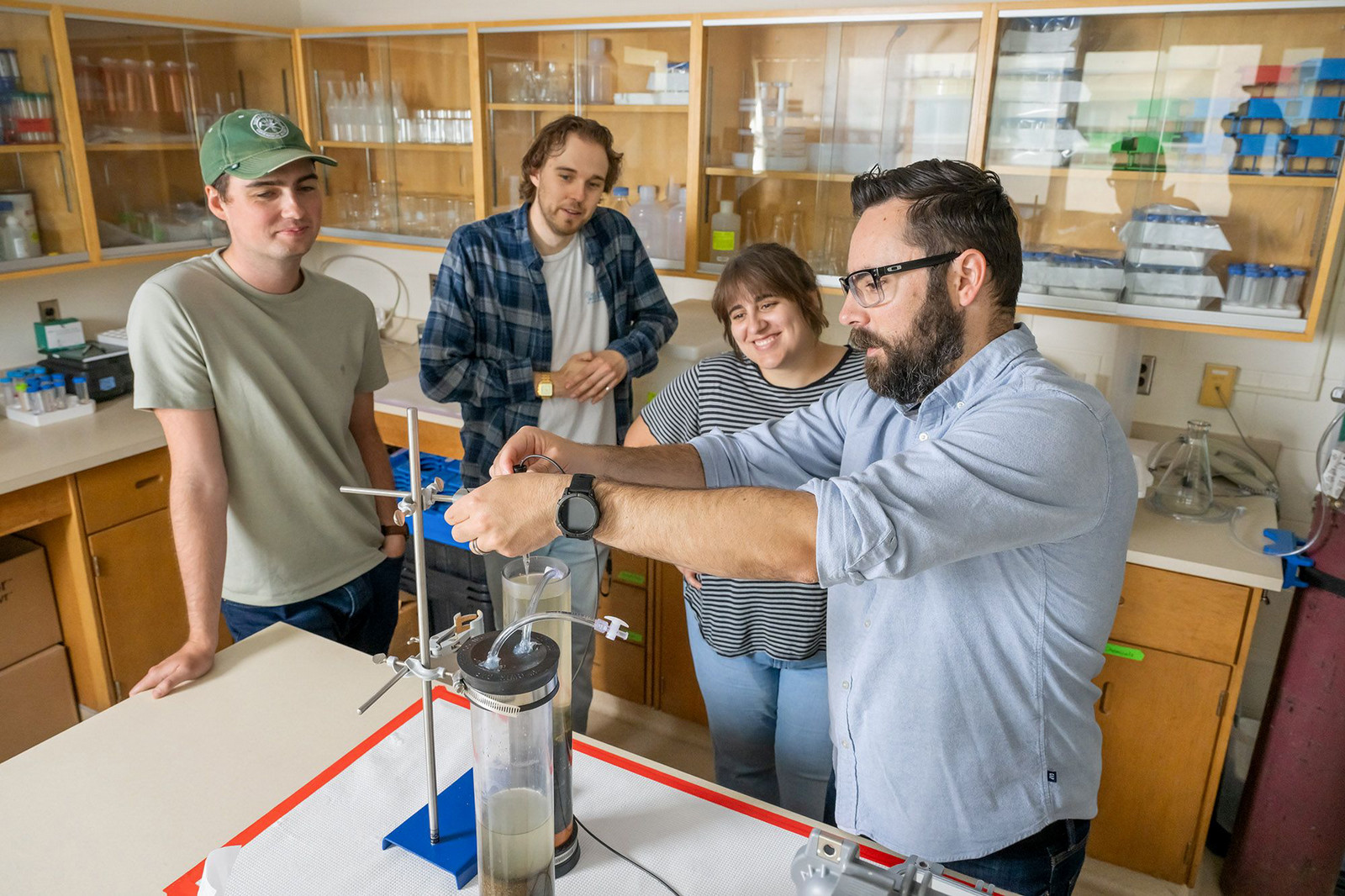
For more than four decades, the University of Regina’s Department of Earth Sciences (formerly Geology)—through its experiential student-learning programs, research expertise, and facilities—has been developing generations of professionals in geology and environmental geoscience.
In a province whose economy depends on energy resources such as oil, natural gas, and uranium, it’s critical that we understand Saskatchewan’s resources, how they formed, and how they can be developed using the safest and most sustainable environmental practices. This is especially important as we look to develop our provincial capacity in critical minerals—those resources necessary for the energy transition, like lithium and rare earth elements. — Dr. Leslie Robbins, Head, Department of Earth Sciences, Faculty of Science
As Canada seeks to move new projects of national interest in mining and energy infrastructure forward, the demand for critical minerals, metals, and energy resources—in addition to the experts needed to develop them—will increase. At the core of this opportunity are highly trained geologists and environmental geoscientists whose expertise is required for geological exploration, extraction, processing, and remediation in a socially and environmentally responsible manner. But the industry workforce needs to be ready to meet this demand.
“We need students in core geoscience programs to build our pipeline of well-trained graduates who will play a key role in developing Canada’s energy security and supporting our clean energy transition,” says Dr. Leslie Robbins, Head of the Department of Earth Sciences at the University of Regina. “Without greater investment in educating and training these qualified professionals, we are at risk of creating a shortfall in Canada's geoscience workforce.”
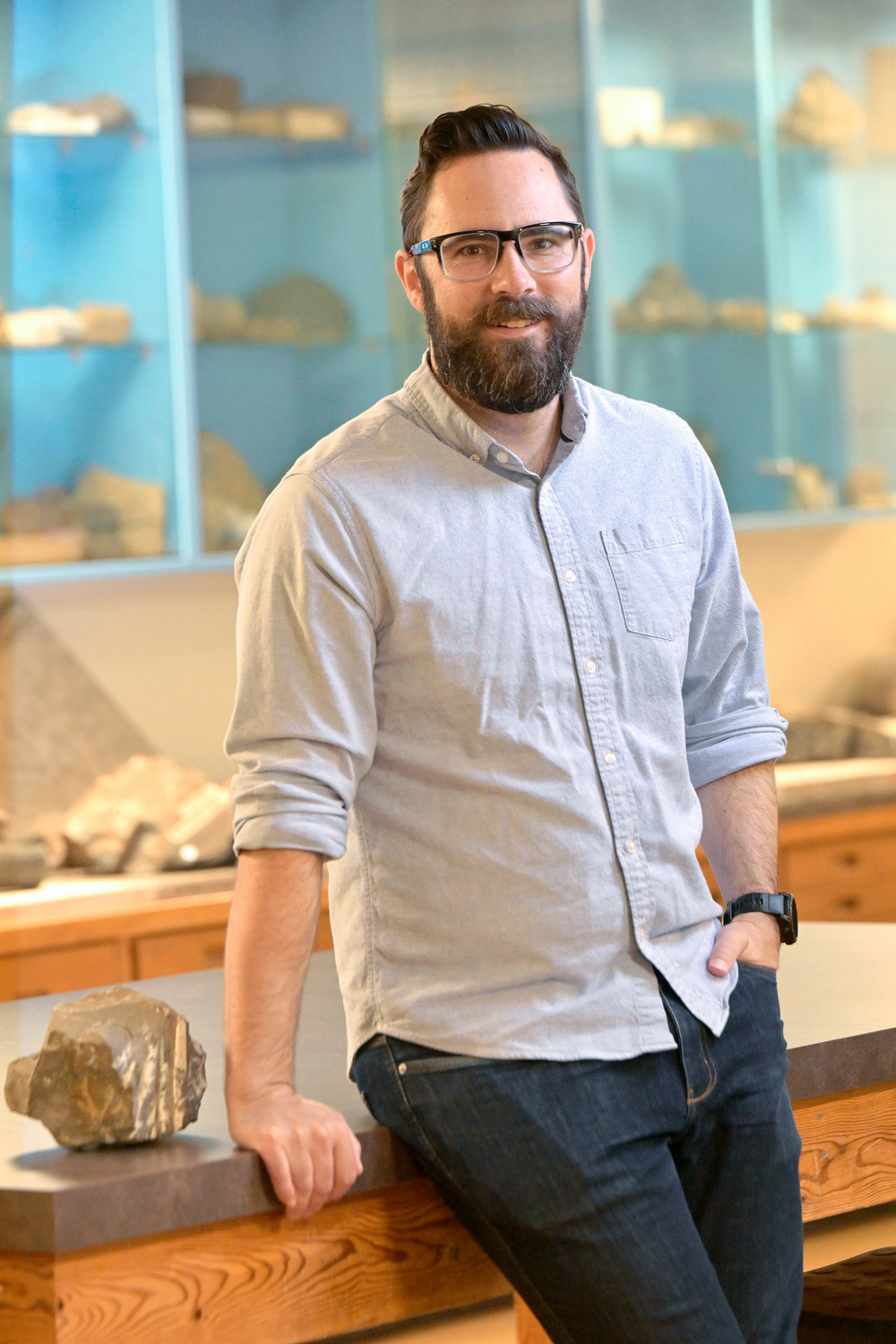
Geologists study the Earth, its materials, and the processes that shape it, while environmental geoscientists examine how human activity affects the Earth’s systems, such as pollution and climate change. Together, they help us understand the geological systems and processes that shape our world and how we interact with them.
“Geologists and geoscientists play a critical role in the responsible development of Canada's natural resources,” says Pamela Cook Ellemers BA’91, BSc’94, Principal Mineral Resource Manager with De Beers Group Mining and Discovery.

Education leads to innovation
Approximately 95 per cent of graduates from the University of Regina’s Faculty of Science go on to rewarding careers in their fields, working with leading organizations locally and around the world.
“My education at the University of Regina gave me a strong technical foundation, but just as importantly, it developed the critical thinking, problem-solving, and leadership skills that have guided me throughout my career,” says Cook Ellemers, who received an Alumni Crowning Achievement Award in 2024 for Distinguished Professional Achievement.
“It prepared me to navigate complex challenges, collaborate with diverse stakeholders, and contribute to an industry that provides the minerals and materials society depends on while creating economic and social benefits. I remain grateful for the opportunities that foundation provided and am proud to support future generations of geoscientists.”
Others, driven by an entrepreneurial spirit, launch companies of their own that advance mineral exploration and extraction to meet the growing global demand for critical minerals essential to vehicle electrification and renewable energy storage.
Over the past decade, University of Regina graduates have been helping address Canada’s and the world’s urgent and evolving energy needs through innovation. Zach Maurer, BSc’16 (Geology) is one such graduate. Maurer founded the company Prairie Lithium to advance the extraction of lithium found in brine reservoirs in the Williston Basin in southern Saskatchewan. Lithium is well-known for its use in powering batteries in cellphones and electric cars.
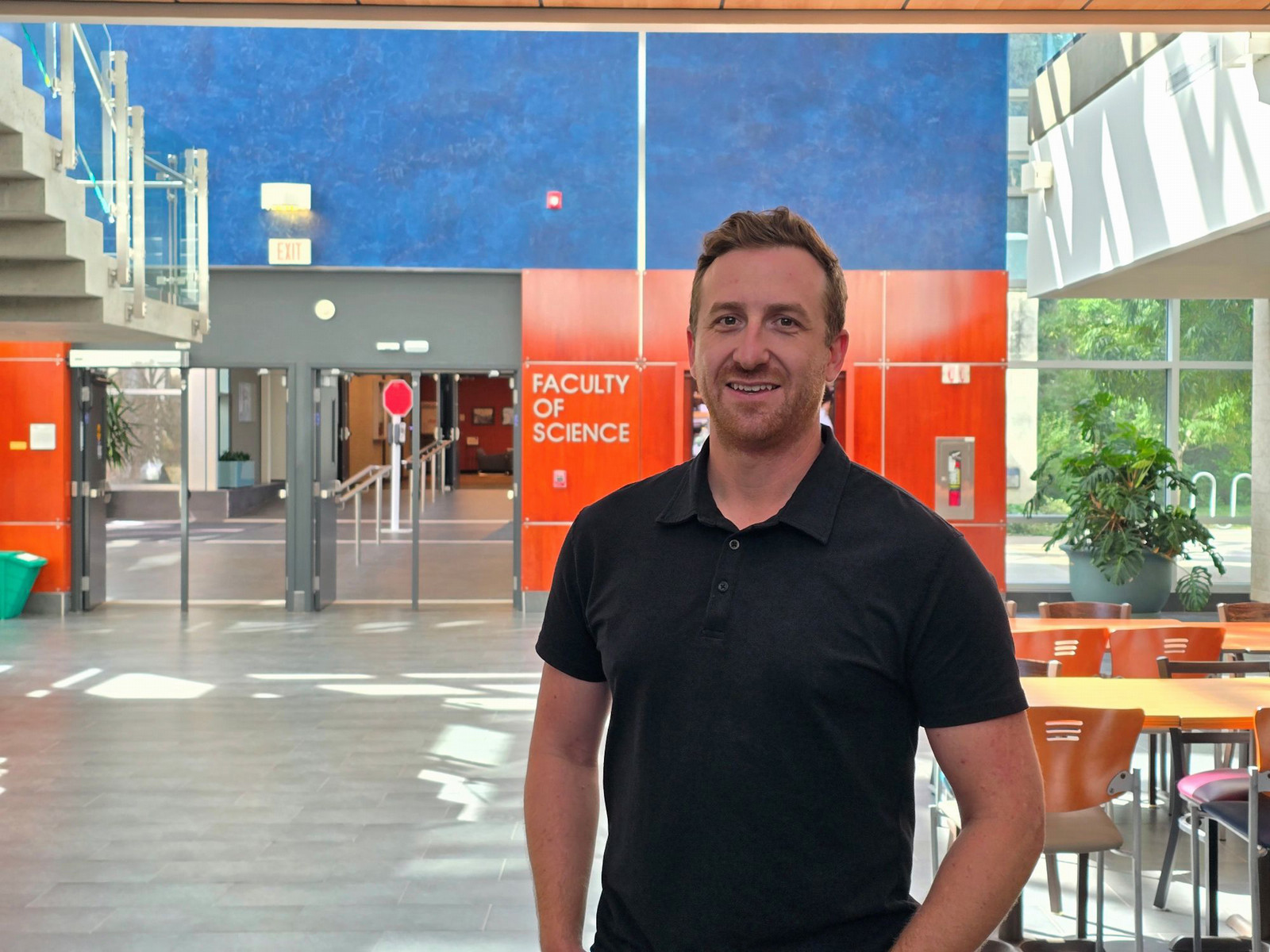
“To any student who wants to study, the University will provide the tools and the network—but how you use those tools and how you utilize that network is up to each person individually,” says Maurer. “Having the professors in the department to go to and to utilize those tools and network in a way that I could continue to learn and build on the skills that I specifically wanted to hone in on, is what set the foundation for cracking the code on the hydrogeology and hydrochemistry of lithium, and then building the company, and ultimately understanding the fundamentals of our business.”
While working full-time as an environmental consultant, Maurer conducted graduate research in the U of R’s Department of Geology (now called Earth Sciences) on the hydrochemistry of Saskatchewan’s oilfield brines—work done on evenings and weekends over roughly two years. That research led him to found Prairie Lithium in February 2019.
A vision for the future
The department is now charting a path forward to expand its laboratory infrastructure, including undergraduate teaching labs, and technological capacity to meet Canada’s future workforce and innovation demands in the energy sector.
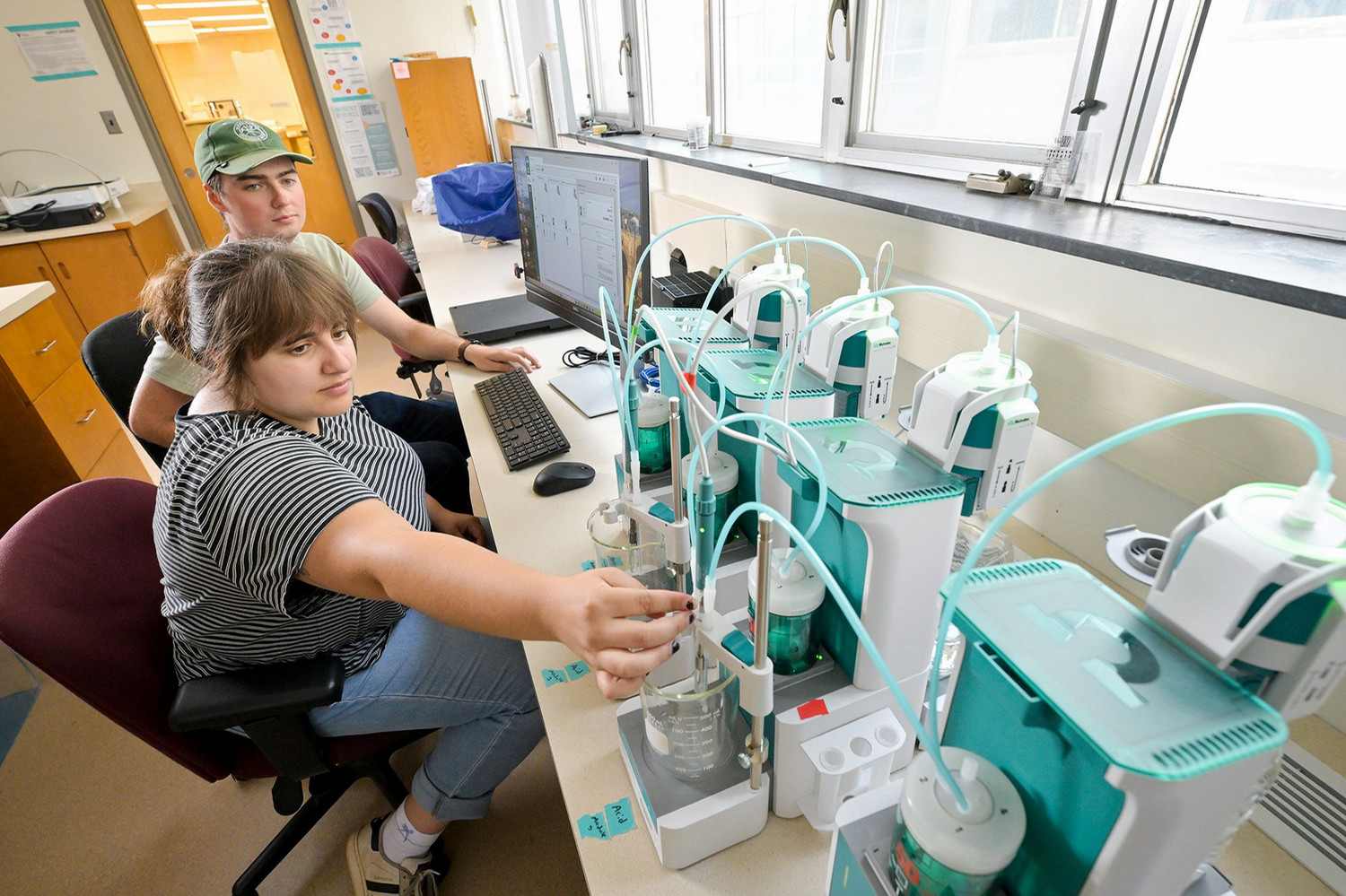
“In a province whose economy depends on energy resources such as oil, natural gas, and uranium, it’s critical that we understand Saskatchewan’s resources, how they formed, and how they can be developed using the safest and most sustainable environmental practices,” says Robbins. “This is especially important as we look to develop our provincial capacity in critical minerals—those resources necessary for the energy transition, like lithium and rare earth elements.”
At the top of the department’s priority list is a new instrument that would be a game changer for its research and teaching.
“It’s remarkable that we don’t have a Laser Ablation–Inductively Coupled Plasma Mass Spectrometer, a workhorse instrument for geoscience and critical minerals research,” explains Robbins. “This highly versatile and transformative tool has the potential to revolutionize our understanding of where our critical mineral resources are located, how they formed, and how they can be developed using safe and sustainable environmental practices.”
The instrument would be the only one of its kind in Saskatchewan and position southern Saskatchewan as a leader in advanced energy education and innovation. The laser can also support research in other disciplines such as engineering, biology, and chemistry, helping students and scientists analyze rock and water samples and determine how we can more environmentally and sustainably extract critical minerals.
For more information on how the Department of Earth Sciences is strengthening and supporting Saskatchewan and Canada’s energy industry, contact Erin MacAulay Davalos, Director of Philanthropy.
Banner photo credit: University of Regina Photography