
A Hub for Giving Back: How students helped build a resource for Sask non-profits
Every community project carries a story, and the creation of the Charity Resource Hub is no different. Behind the launch of this new online tool for Saskatchewan’s non-profit sector lies a tale of student innovation, collaboration, and a shared desire to give back.
Tom Goncin, a third-year Software Systems Engineering student at the University of Regina, remembers the moment he first heard about the project. “I’m a big project guy, so I was excited,” he said. “We were going to work on something that actually mattered, something that would help charities across Saskatchewan. It wasn’t just a class assignment; it was real life.”
Tom and his classmates in Dr. Timothy Maciag’s ENSE 271 – People-Centred Design class were tasked with designing a digital hub for the South Saskatchewan Community Foundation (SSCF). Over three months, 10 teams of students explored ways to make the resource easy to navigate, engaging, and helpful for organizations seeking funding, learning tools, and collaboration opportunities.
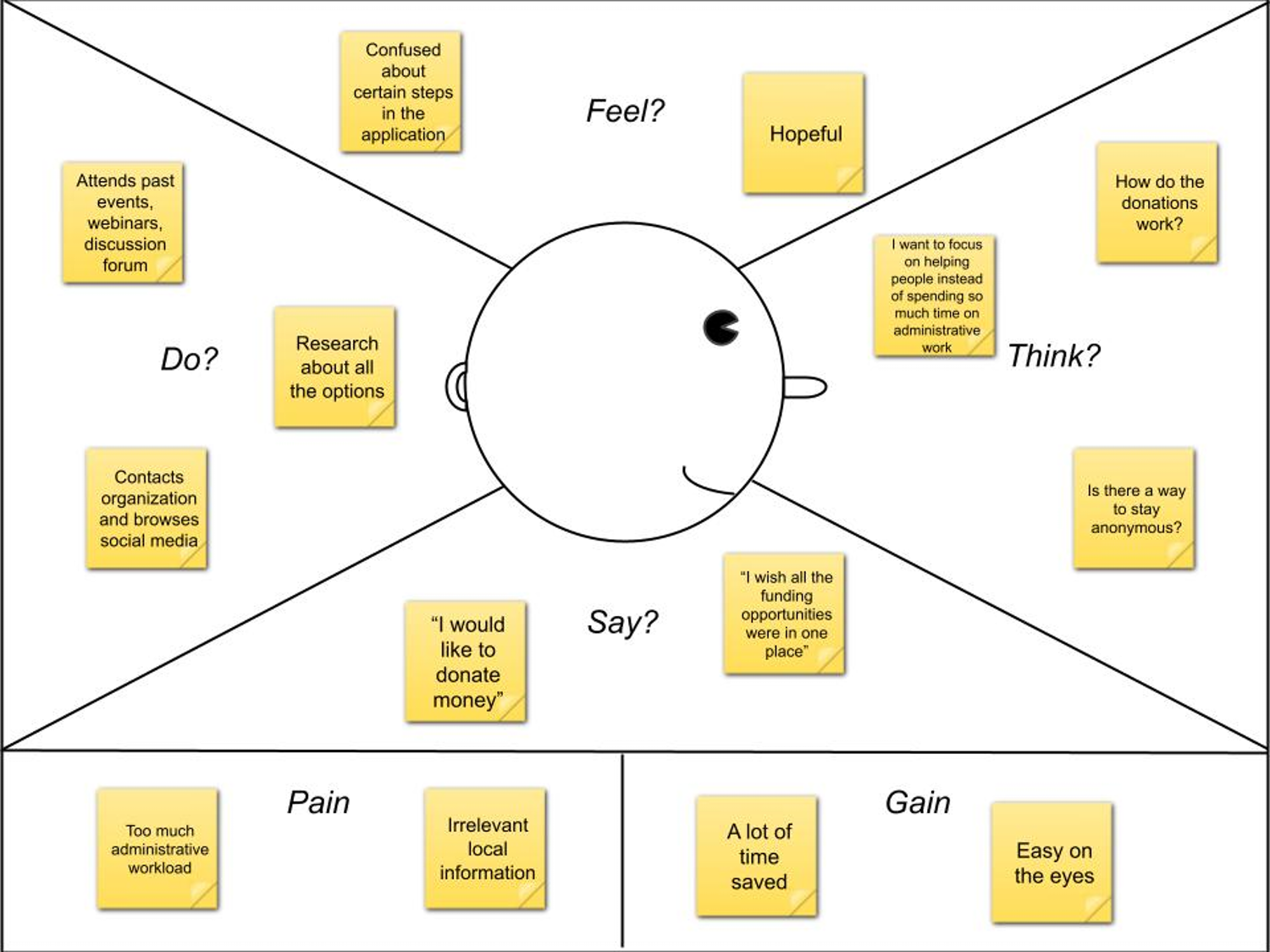
“I hadn’t built anything for a charity before,” Tom admitted, “but I’d volunteered with Bright Eyes, an organization helping pets in need. That experience made me appreciate the value of supporting causes you care about.”
The work wasn’t always smooth. “We had a slow start,” Tom recalled. “At first, we missed the target entirely. But later, we put in a huge amount of work—nights stretching until 3 or 5 a.m.—and it didn’t even feel like work. We were learning, creating, and having fun all at once.”
Dr. Maciag emphasized the importance of this hands-on approach. “Non-profits often lack the resources or technical expertise to develop these tools themselves,” he explained. “By collaborating with students, they receive innovative solutions, and students gain real-world experience while contributing meaningfully to the community.”

“As a Community Foundation, we strive to be an incubator for new ideas and solutions to community challenges," said Donna Ziegler, Executive Director of the South Saskatchewan Community Foundation. "We understand the needs of this sector. Working with the students and Professor Tim Maciag on a variety of impactful projects since 2023 has been such an honour. Like the Community Foundation, Tim empowers ideas to come to life by being open, flexible and supportive so that we can find solutions, together. Working with the students under Tim’s leadership has enriched the work we can do in community tenfold. One of our staff who is a previous student of this program, Brooklyn Coulson, led the initiative. Through her gained experience with the Community Foundation and her knowledge of the challenge, she brought this much needed resource to life."
For Tom, one of the most rewarding aspects was the creative freedom he and his peers were given. “If you give people space to explore, they produce things you’d never even think of,” he said. “It was inspiring to see 10 groups come up with 10 completely different perspectives on the same challenge.”
Supporting charities strengthens society as a whole. The students' work doesn't just build a website; it empowers organizations to do more for the people they serve.
— Dr. Timothy Maciag, Assistant Professor, Software Systems Engineering, U of R
Through the project, Tom also gained a new appreciation for the charitable sector. “I didn’t even know about the Community Foundation before this,” he said. “Learning how donors can direct their gifts, see them grow over time, and even create a lasting legacy—that’s powerful. Projects like this should absolutely be part of U of R classes.”
The resulting Charity Resource Hub now consolidates tools, funding information, and guidance for Saskatchewan’s non-profits, making it easier for organizations to focus on what matters most: serving their communities.
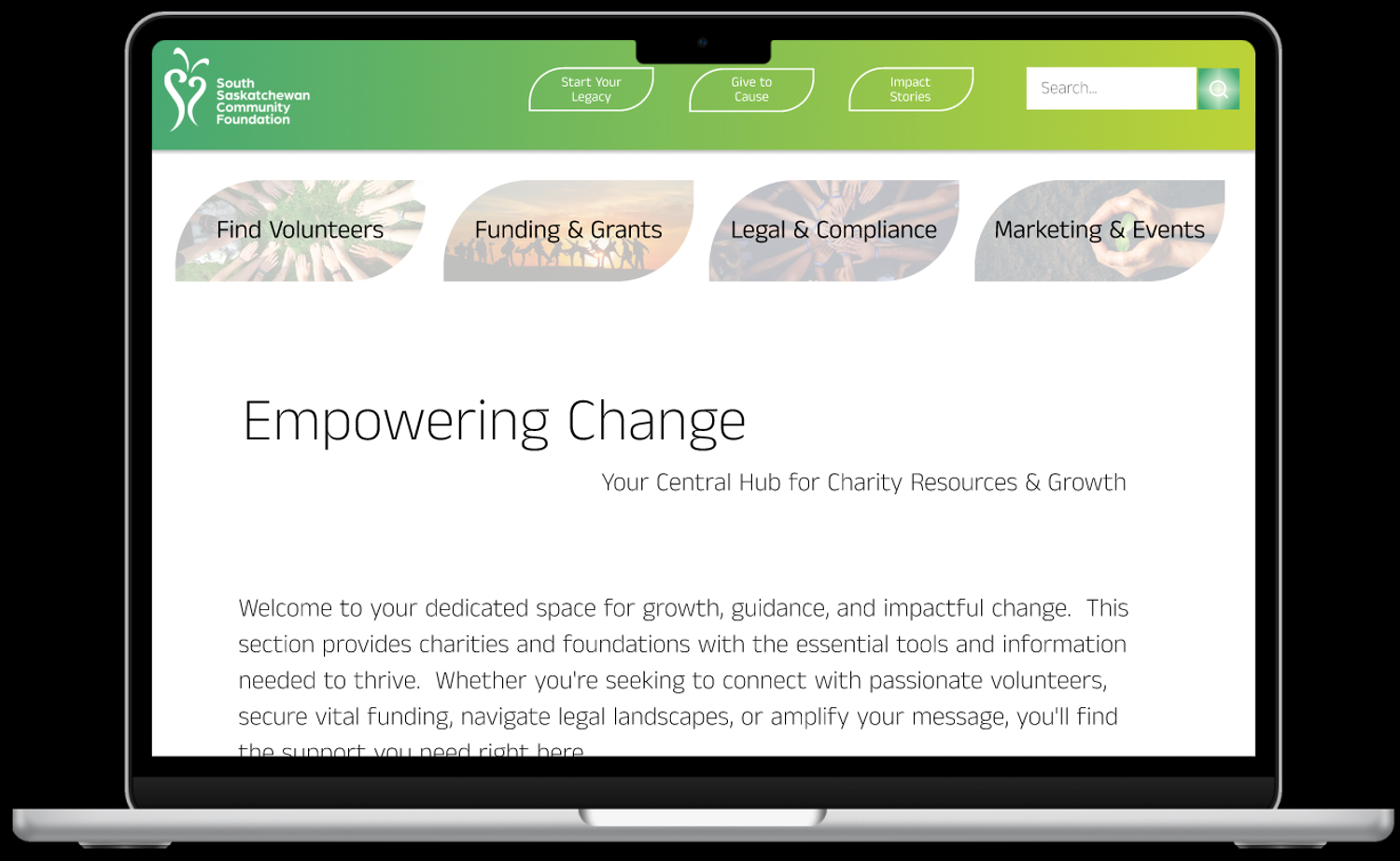
The SSCF's Charity Resource Hub brings together tools, funding information, and guidance for Saskatchewan’s non-profits. Credit: Timothy Maciag
“It feels really good to know our work will help charities across Saskatchewan,” Tom said. “Even small contributions can have a big effect when they’re applied thoughtfully. Honestly, I think they helped us as much as we helped them. Each group’s design has pieces that could be used to make the Hub even better.”
Dr. Maciag echoed that sentiment, emphasizing the project’s broader impact. “Supporting charities strengthens society as a whole,” he said. “The students’ work doesn’t just build a website; it empowers organizations to do more for the people they serve.”
From late-night design sessions to seeing their ideas implemented in the real world, Tom and his classmates learned firsthand how collaboration, creativity, and dedication can create meaningful change.
Explore the Charity Resource Hub
Banner: Tom Goncin, a third-year Software Systems Engineering student at the University of Regina. Photo credit: Tom Goncin