Education Graduate Student Conference Reimagining Knowledge and Practice
What does it mean to unsettle education from an Indigenous perspective? Why is this work necessary: historically, ethically, and educationally? And how can we do this work in ways that are deeply meaningful?
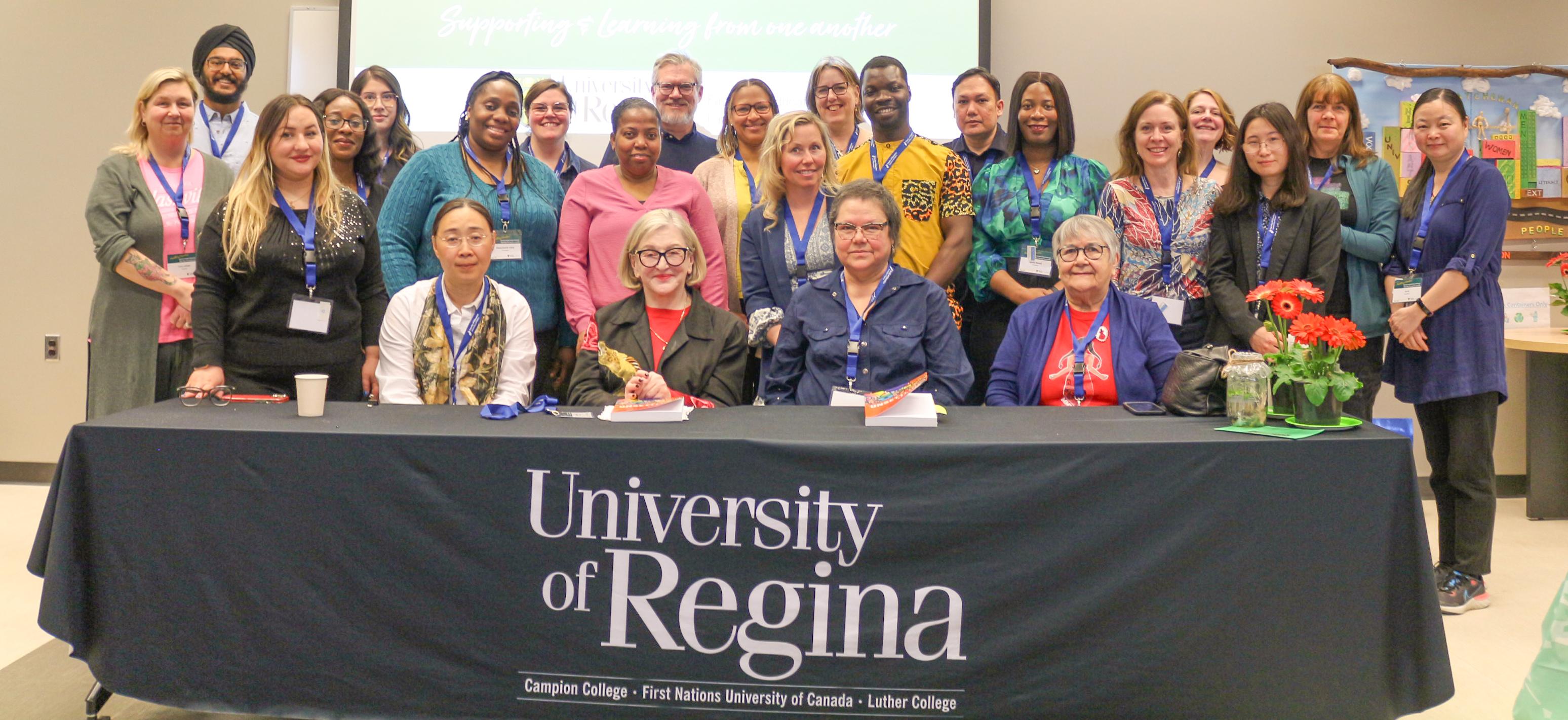
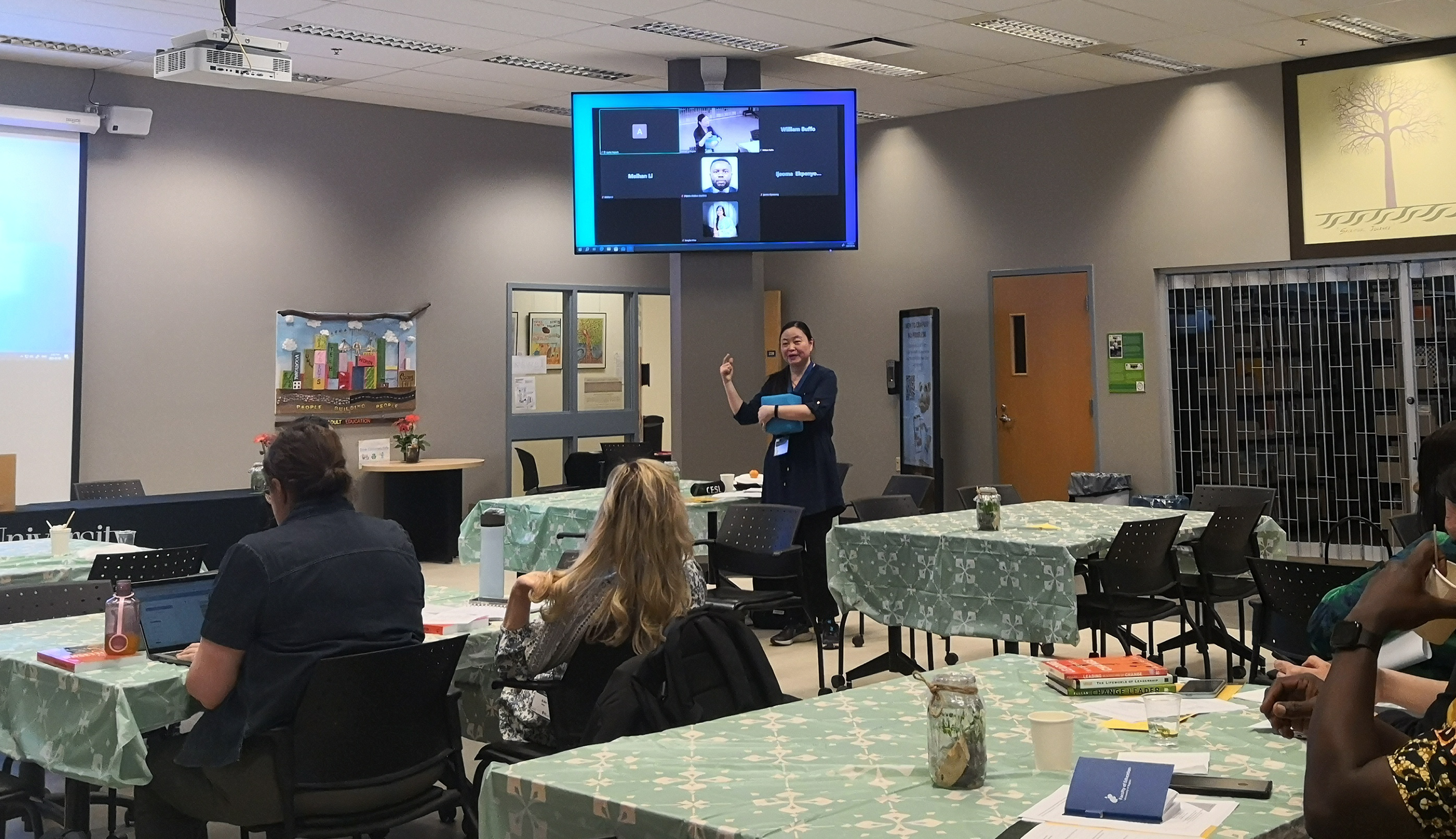
These questions guided this year’s Education Graduate Student Conference, held on campus on Saturday, May 3, 2025. With over 40 participants attending in person and online, the event was a powerful gathering of graduate students, emerging scholars and educators, committed to rethinking the foundations of teaching and learning in Canada.
Centered around the theme “Unsettling Education”, the conference invited participants to challenge the colonial assumptions embedded in curricula, pedagogical practices, and institutional structures. It offered graduate students a platform to grow as scholars and to share transformative research grounded in decolonizing and Indigenizing approaches.
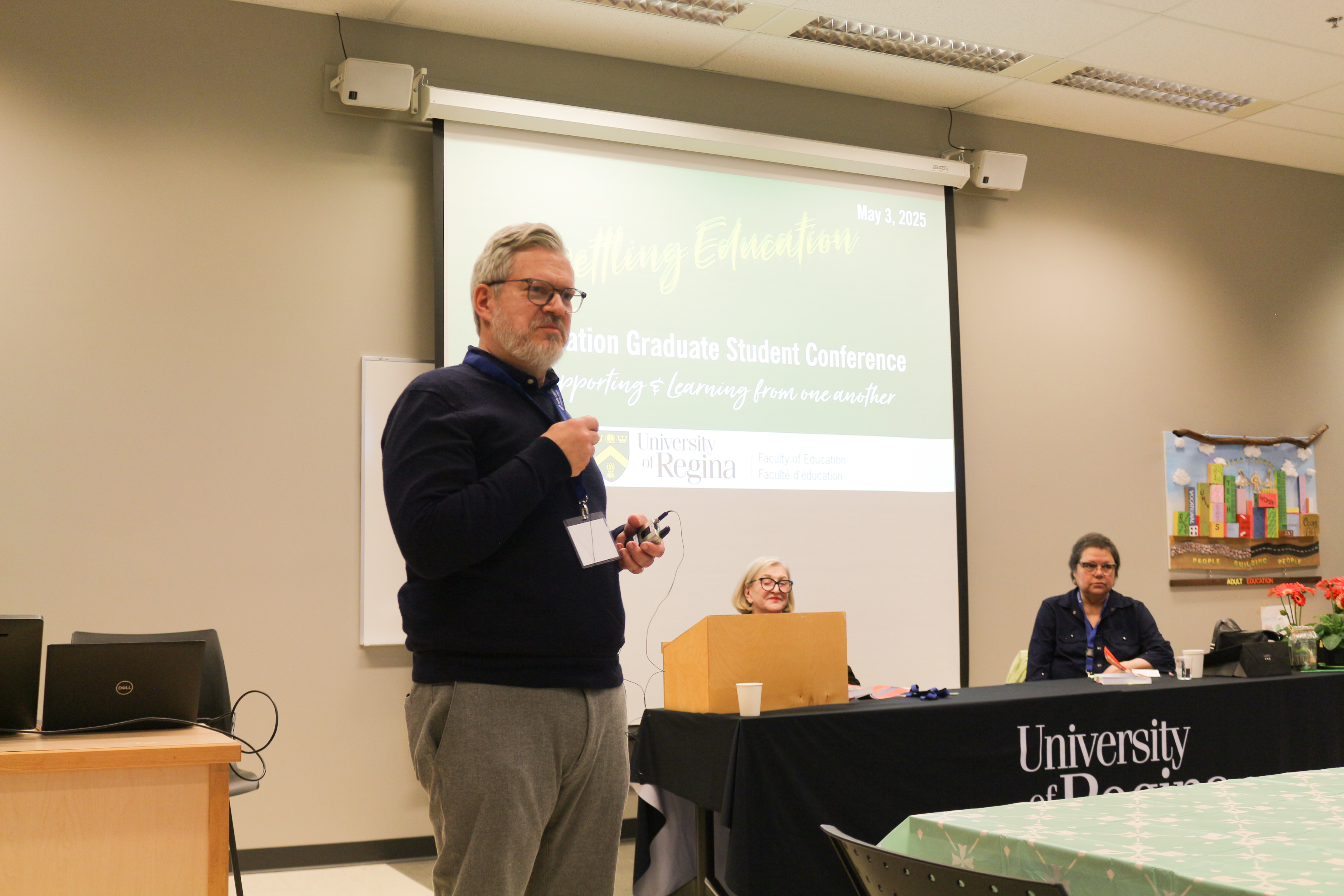
Dean Dr. James Nahachewsky addressed the attendees: “Part of unsettling what has already been settled is deciding for yourself where you are and where you need to be. As graduate students, you are not just inheriting knowledge. You are reshaping it, challenging your institutions, and pushing your mentors and peers to grow alongside you. This is where transformation begins.”
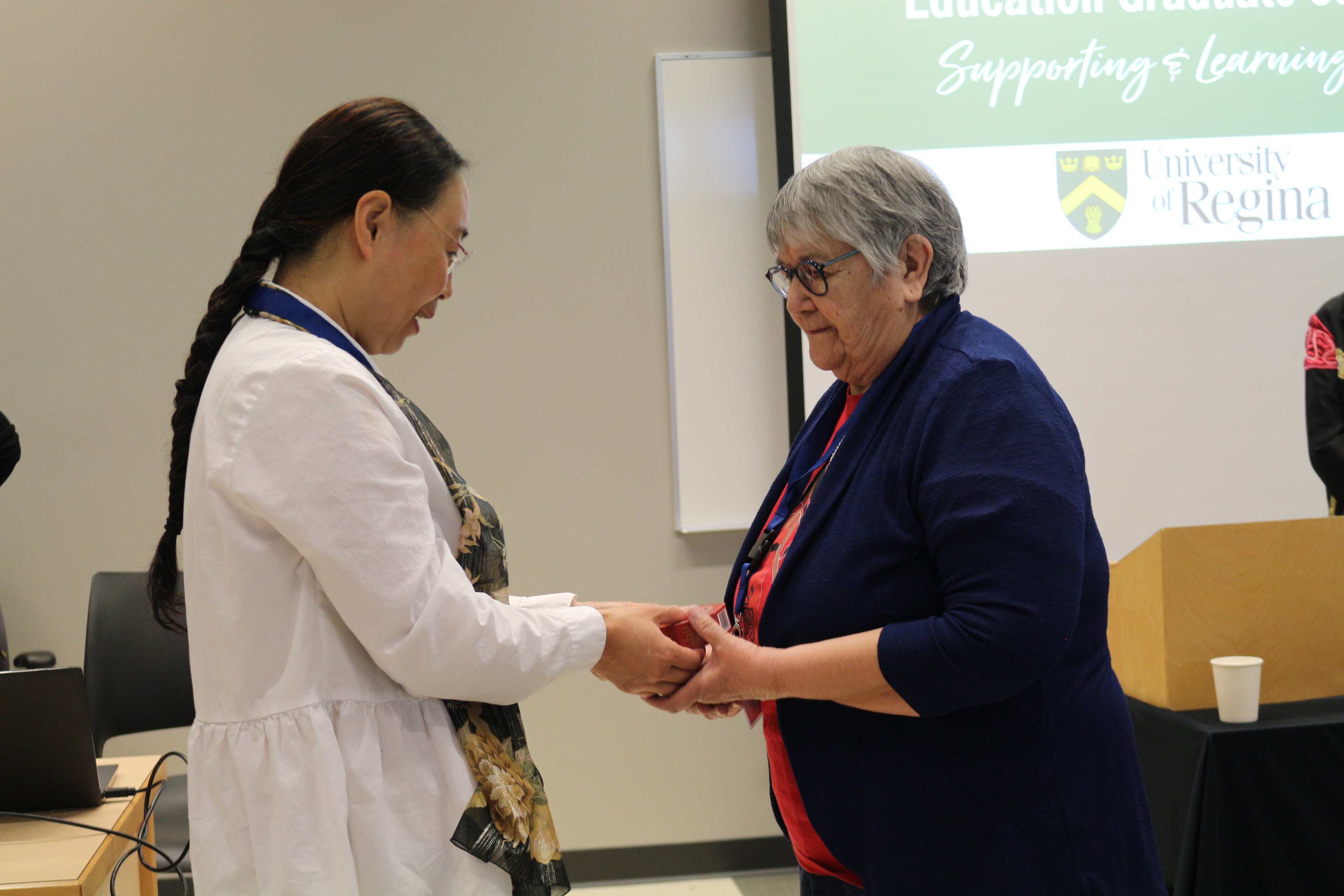
Keynote speakers Dr. Anna-Leah King and Dr. Kathleen O’Reilly drew from their publication, Unsettling Education: Decolonizing and Indigenizing the Land, offering personal and professional reflections on what it means to do this critical work.
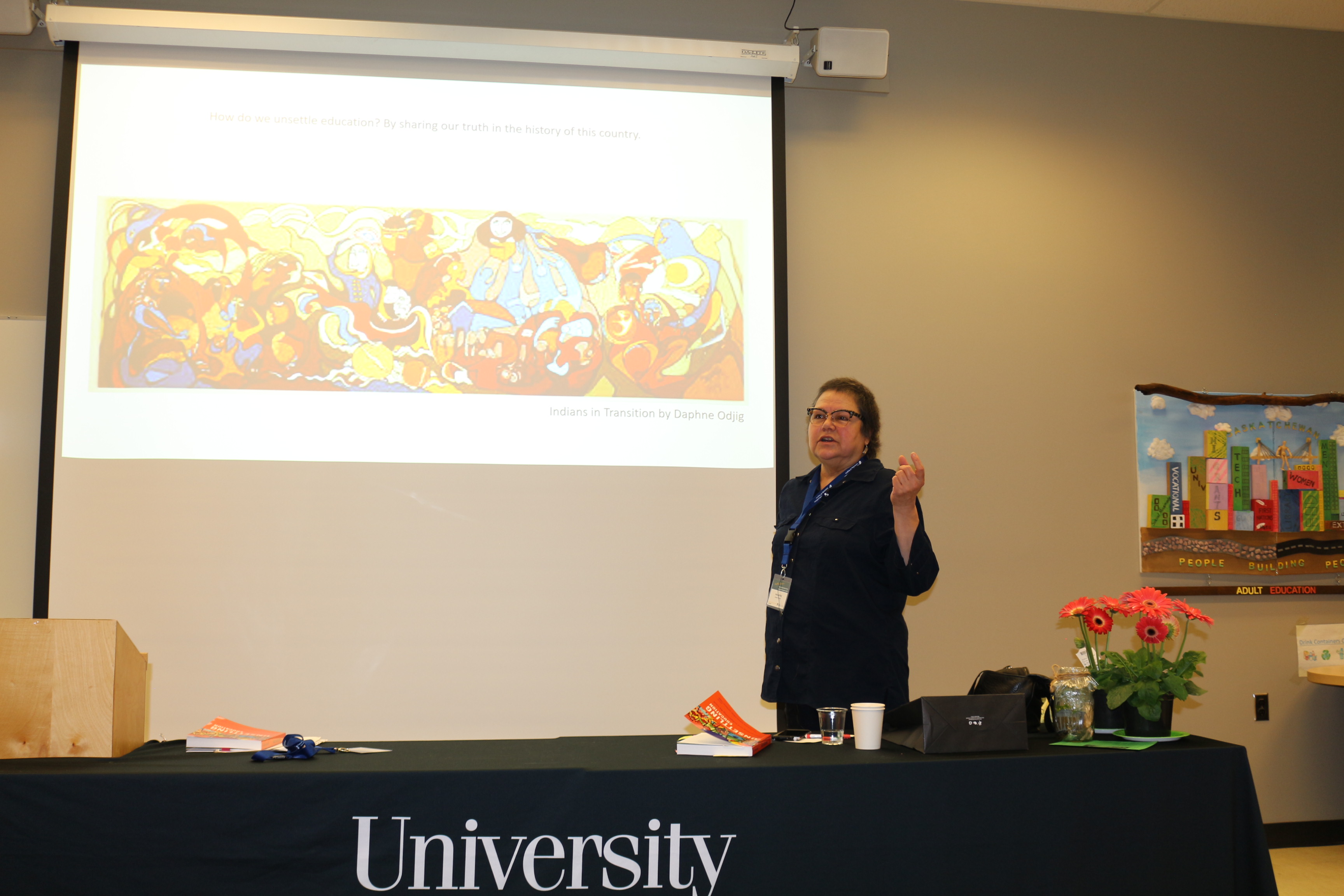
Dr. King reminded attendees: “How do we unsettle education? By sharing our truths. Don't misrepresent us. Just learn to humbly walk with us.”
Dr. O’Reilly stated that: “Much of what we were taught in school was partial, distorted, or entirely silenced. As settlers, we were socialized to believe in romanticized myths about Canada, without understanding that these lands were taken, and that the original peoples were erased from the curriculum and the classroom.”
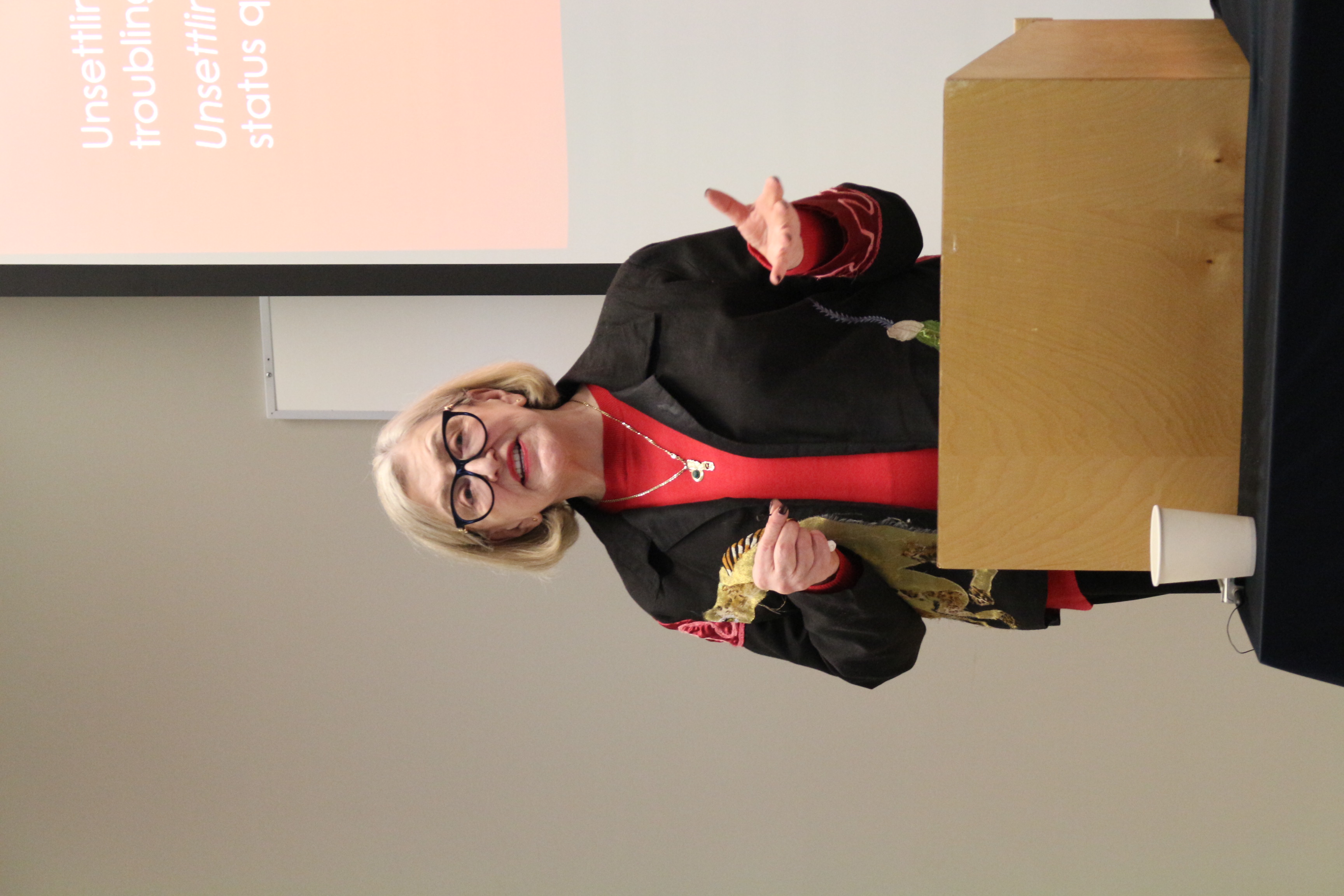
Their keynote grounded the day in Indigenous and critical perspectives, exposing the ongoing influence of colonial legacies in Canadian schooling.
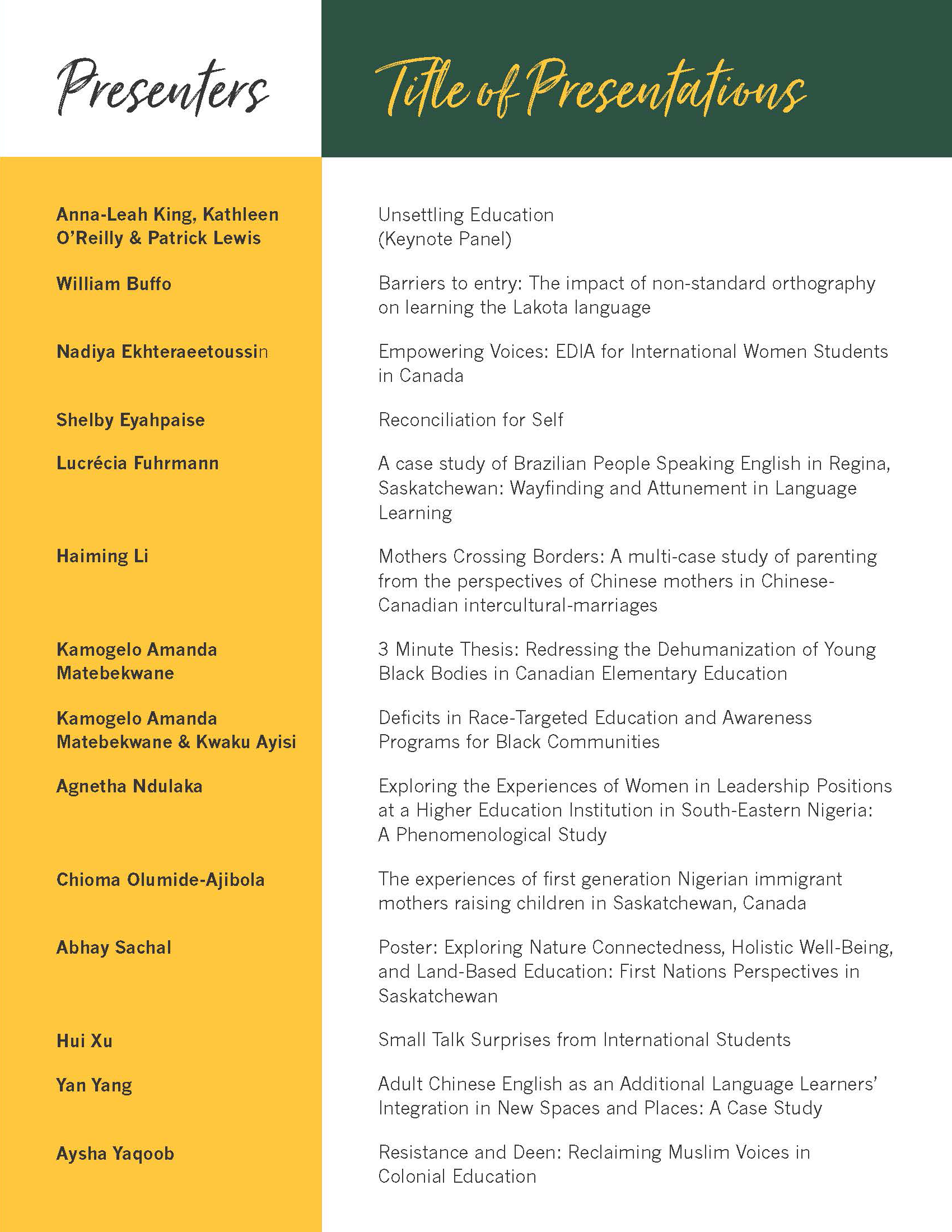
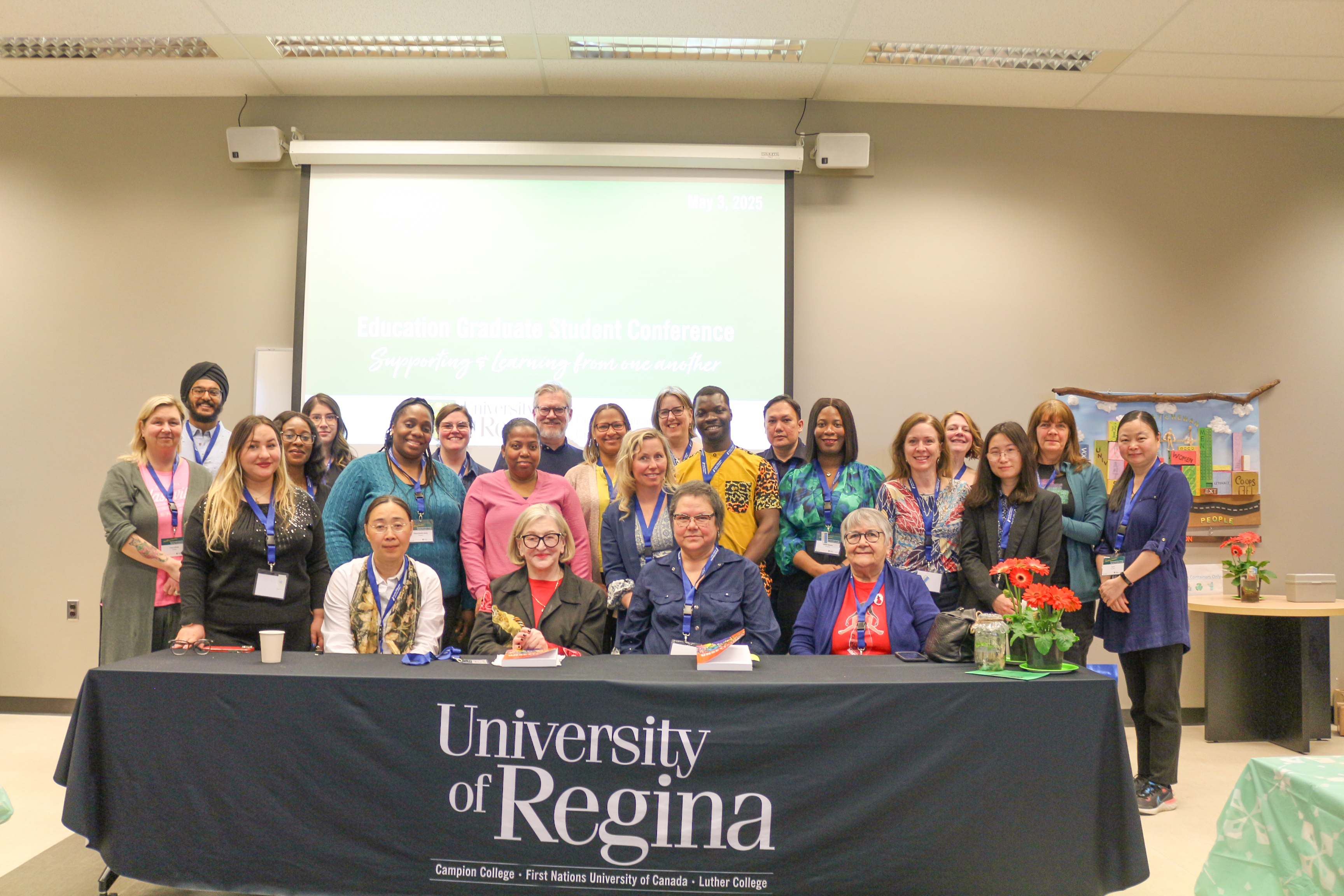
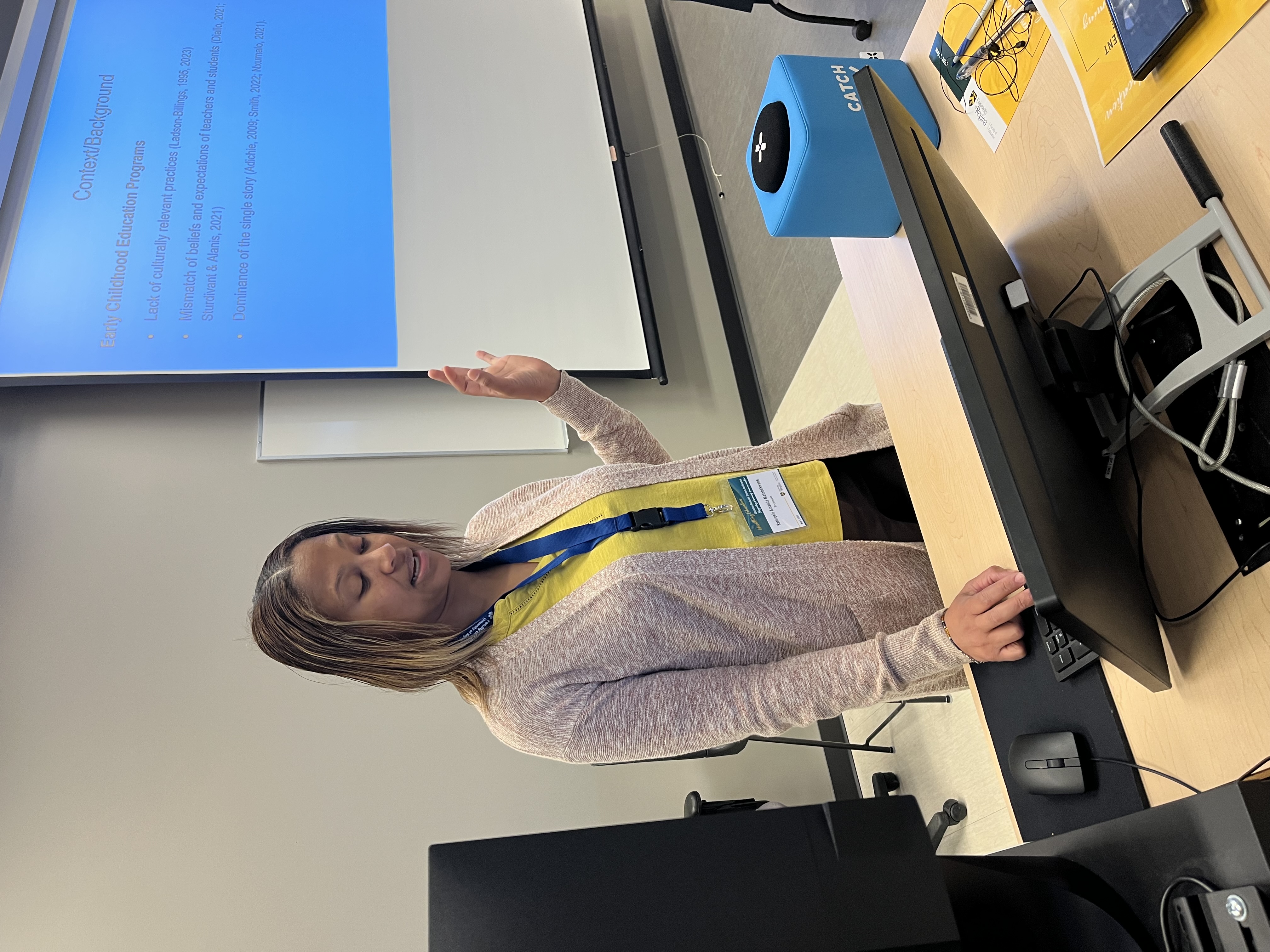
“The profound stories and perspectives shared by the authors in Unsettling Education: Decolonizing and Indigenizing Land, along with the keynote speakers at the conference, inspired me to rethink the significance of my study, that the education system needs to acknowledge the existence of marginalized students, because their experiences enrich the knowledge system”, says Kamogelo Amanda Matebekwane, a fourth-year PhD candidate.
“The Elders reminded me of the power of truth-telling in unsettling colonial ways of knowing. In the same spirit, my work with young African children gives them space to share their stories. That act of listening and amplifying their voices is itself a decolonizing approach.”
“I was humbled to be in the presence of social justice warriors at the conference, who continue to resist and challenge the injustice structures embedded within the Muslim and Brazilian communities, international students, and Nigerian and Chinese communities.”
“At first, I couldn’t see how the conference theme, Unsettling Education, connected to my research,” says Hui Xu, a fourth-year PhD candidate.
“My work focuses on the social interactions of international students in Canada. Many participants in my research spoke about their hopes to ‘settle down’ here. That phrase kept coming up in their stories.”
“But after reading Unsettling Education: Decolonizing and Indigenizing Land, engaging in conversations with faculty, and spending time reflecting, my perspective began to shift.”
“For the first time, I could clearly see how my research fits into the broader context of settler colonialism. I realized that international students can sometimes fall into the trap of adopting the very systems that serve to marginalize them.”
A significant moment of truth-telling and remembrance came during the pre-conference field trip to the Regina Indian Industrial School (RIIS) Cemetery, where 35 to 40 children from the former residential school are buried. This act of collective witnessing foregrounded the human cost of colonial education systems and reminded participants of the stakes involved in unsettling education. We are deeply grateful to Bill Wall and Dr. Douglas Stewart for guiding this powerful experience.
We also wish to express our sincere gratitude to Dr. Christine Massing, Lecturer Natashalee Thompson, Wendy Forsberg, and Hailey Hack for their generous contributions to the workshops on proposal writing and presentation strategies. Their expertise and thoughtful engagement provided an enriching experience for all attendees.
Check out the Graduate programs offered by the Faculty of Education.