Summer Research Institute
About the FGSR Summer Research Institute
Empowering Undergraduate and Graduate Researchers
The FGSR Summer Research Institute (SRI) is a professional development initiative designed to support and inspire emerging researchers at the University of Regina.
Running from May through August, this institute offers a series of interactive workshops and training sessions focused on key research skills needed to conduct research, as well as, the skills to communicate and present their research to a broader audience. Open to both undergraduate and graduate student researchers, the Summer Research Institute is your opportunity to strengthen your academic foundation, connect with the research community, and prepare for future studies or careers.
Join us for this exciting initiative and take your research to the next level. For all the details, check out the Summer Research Institute booklet here.
Student Researchers
Poster & Presentation Showcase
Are you a student interested in participating? Check it out here.
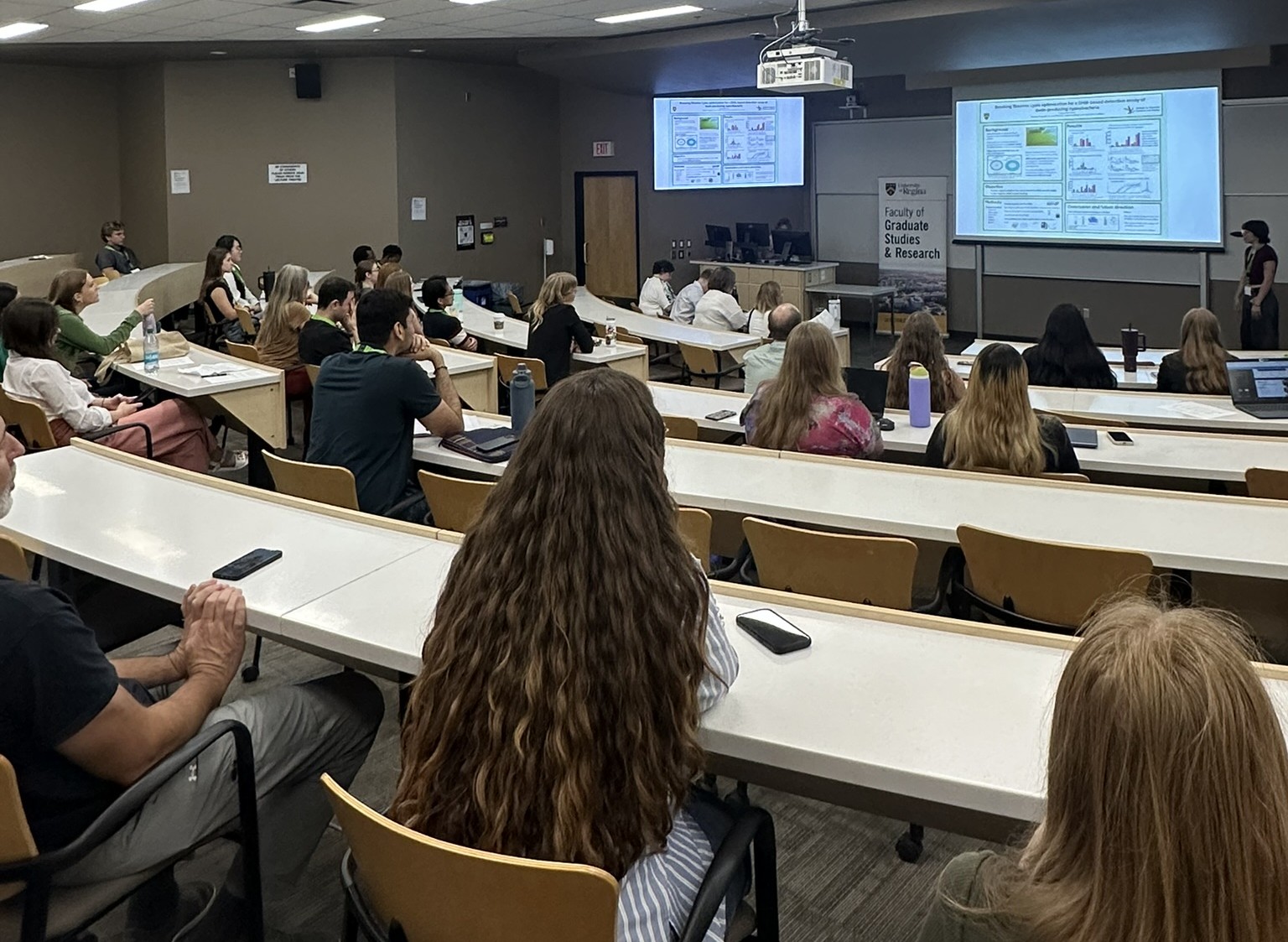
Join FGSR as the Undergrad and Grad Student Researchers showcase their research projects through digital posters and 3–5 minute presentations. This session is an opportunity for the students participating in the SRI to share what they’ve learned, receive constructive feedback from judges, and engage in discussion through Q&A.
Wednesday, August 26th from 9am - 3pm in ED 191
Want to know more about the presenters and their research? Agenda for the day coming soon.
About the Program
Each spring and summer, the Faculty of Graduate Studies and Research (FGSR) supports student researchers at all levels through the Summer Research Institute — a series of professional development sessions designed to build core research skills, foster academic confidence, and prepare students for future studies and careers. Whether you are an undergraduate research award recipient or a graduate student looking to strengthen your research toolkit, these sessions offer valuable training and a chance to connect with the broader University of Regina research community.
What’s Included
The Summer Research Institute runs from May through August and includes:
- Information Session (Orientation) to welcome students and introduce the program - May 7, 12pm. Virtual. Register here.
- Interactive Professional Development Sessions (Workshops) covering essential research topics such as:
- Open Research Practices - May 12, 12-1pm. CK 185.
- Knowledge Mobilization* - May 14, 12-1:30 pm. CK 185.
- Community-Based Research - May 20, 12-1 pm. CK 185 Hybrid.
- Literature Reviews & Library Tools - May 28, 12-1pm. Virtual.
- Presentation Skills - June 3, 12-1pm. CK185.
- Poster & Visual Presentation Skills - June 9. 12-1pm. ED 193 Hybrid.
- Indigenous Research Methodologies - June 11, 12pm. CK 185.
- Machine Learning with AI - June 17, 12-1:30pm. Virtual. Watch the recording here.
- AI in Research - June 25, 12-1:30pm. Virtual. Watch the recording here
- Presentation & Feedback Session* for students to present your posters and research for feedback - Aug. 26 - 9 am - 3pm, ED191/193. Register here by August 15.
UGRA students are required to attend the feedback session, as well as three of the workshops to meet award expectations. USRA students are encouraged to attend at least one of these professional development sessions.
* Part of the Research Communications (Knowledge Mobilization) Digital Badge.
Why It Matters
This programming is designed to help you:
- Gain foundational research and communication skills.
- Connect with peers and faculty in the research community.
- Prepare for future academic or professional research opportunities.
- Develop and present your research with confidence.
- Explore pathways to graduate studies at the University of Regina.
Who Should Participate
The Summer Research Institute is open to all undergraduate and graduate student researchers at UR. Whether you're just beginning your research journey or looking to sharpen your skills, these workshops offer practical training in research methods, communication, and presentation — plus the chance to connect with peers and faculty across disciplines. Students are especially encouraged to explore the new workshops and earn the Research Communications (Knowledge Mobilization) Digital Badge
 Earn a Digital Badge*
The Summer Research Institute (SRI) is more than a summer program—it’s the beginning of your journey as a researcher within the university community. Through workshops, practice, and presentation, you’ll build skills and confidence that support your research now and into the future.
To earn the badge, students must attend the Knowledge Mobilization workshop, three additional SRI workshops, and complete a Presentation & Feedback Session. Learn how you could qualify for the Research Communications (Knowledge Mobilization) Digital Badge, visit here.
UGRA & USGRA Awardees
In 2026, USRA awardees are encouraged to attend at least some of the professional development programming being offered. For UGRA Students, the feedback session at the end of their 16 week award, and at least three of the personal development sessions are mandatory.
Personal Development Sessions (Workshops)
Join FGSR staff for a welcoming session open to all students involved in research this summer. Learn about the professional development workshops and resources available to support your research journey, connect with peers, and get set for a successful summer of discovery.
Working with Your Supervisor
- Discuss roles and responsibilities
- Set expectations
- Communicate
Resources: How to Have a Great Relationship With Your Supervisor (resources found here)
Join Dr. Chris Oriet as he explores how the agencies that fund research are increasingly demanding transparency and open sharing of data and research materials. Researchers have answered this call by developing Open Research Practices. This workshop will introduce you to the Open Research Framework, which allows researchers to easily and transparently share their materials with others. We’ll discuss some of the benefits of doing research in an open and transparent way, with an eye to both ethical and practical considerations.
Join Grad Funding's Emilie Kossick for a focused session on Knowledge Mobilization and what it means for your research. This session will explore key considerations for integrating knowledge mobilization into your research design, strengthening funding and grant applications, and effectively presenting your work to audiences beyond academia. Participants will gain clarity on how funders evaluate impact, how to position their research for real-world relevance, and practical ways to share their findings with policymakers, communities, industry, and the public in clear and compelling ways.
Join Denise Kennedy & Dr. Christine Massing for this workshop exploring the principles and strategies for engaging in community-based research. Grounded in the 4R’s of Indigenous research---Respect, Responsibility, Relationality, and Reciprocity---the session will highlight various approaches and illustrative examples which prioritize meaningful and ethical engagement with communities. The session also offers space to reflect on the role of the researcher in community-based research.
A must-attend for students pursuing community-engaged or ethically-informed research.
As a student researcher, placing your work within existing research is essential. In this session with librarian Cara Bradley, you’ll learn how to choose the right type of literature review, search effectively, and organize your findings to save time and reduce stress.
You put a lot of time, energy, and passion into your graduate work, but if you aren't able to effectively communicate about your findings, your research could go unnoticed. Join Krista Baliko, U of R Research Communications Strategist, for this session to explore ways to help launch your research into the world.
In this session with Dr. Omar El-Halfawy, students will learn about: the general roles of posters in academic communications, particularly for graduate students, with an emphasis on the fields of science and engineering; the similarity and difference between posters and other ways of communications including oral presentations and journal papers; how to convey the points effectively – the what-why-how-what-what approach; how to draw the attention of the audience; and some suggestions about the layout, graphic-text balance, captions, font sizes, etc.
This workshop introduces Indigenous research methodologies, grounded in First Nations perspectives, ways of knowing, and approaches to knowledge creation. Tammy will draw from her own research on the topic of Indigenous language revitalization to explore principles such as relationality, respect, reciprocity, and responsibility. Participants will reflect on engaging in research in ways that are inclusive, culturally informed, and responsive to Indigenous communities.
A must-attend for students pursuing community-engaged or ethically-informed research.
Join Dr. Justin Longo to learn more about machine learning as a research method for working with complex or “messy” data such as text and audio. Through a non-technical overview, live demonstrations, and a short design exercise, participants will explore how machine learning can help transform qualitative data into analyzable insights while considering practical applications, ethics, and limitations.
- Watch the recording here.
The workshop will cover how AI, in particular Generative AI, works and what its limitations are. Review the uses of Generative AI, some helpful research tools, and how to ensure your AI use remains academically honest.
- Watch the recording here
Participants are invited to showcase their research projects through digital posters and 3–5 minute presentations. This session is an opportunity to share what you’ve learned, receive constructive feedback from judges, and engage in discussion through Q&A. Be prepared to present your work and answer questions about your research in a supportive and encouraging environment. Prizes will be awarded for outstanding presentations.
- 36" × 48" Digital Poster (required)
All students are required to create a digital research poster. Additional resources are available below, including sample templates in Canva and PowerPoint. - 3–5 Minute Presentation (required)
All students are also required to give a brief presentation on their research. For the presentation, students may either:- use their poster as a single visual slide, or
- create a separate 3–5 slide presentation.
In other words, every student must prepare both a poster and a presentation, but the format of the presentation visuals is up to you.
Register here by August 15 to present your research.
Your poster (and slides - if applicable) are needed by August 21. Email to grad.engagement@uregina.ca. Your poster (or slide presentation) will be added to the powerpoint presentation for the day.
Cash prizes of:
-
- For students who have participated in a minimum of 3 workshops are be eligible for the cash prizes of:
- $500, $300, $200 for the top 3 best undergrad presentation.
- $500, $300, $200 for the top 3 for best graduate presentation.
- Prizes will be awarded for outstanding presentations. Decisions of the judges is final.
- Students must present in-person to be eligible for the cash prizes.
- For students who have participated in a minimum of 3 workshops are be eligible for the cash prizes of:
Students participating in this feedback session and participate in the Student Research Showcase (SRS) during Research Week in October, will have their posters printed free of charge. Following the SRS, the posters are yours to keep for future use.
Unable to attend? You can still received feedback on your poster and presentation by submitting a video (MP4 format) by August 21, but you will not be eligible for prizes.
Register here.
To earn the Research Communications Badge for the Summer Research Institute program, you must:
- Attend the Knowledge Mobilization workshop*,
- Attend three of the other eight workshops, and
- Participate in the Presentation & Feedback Session (creating a digital poster, delivering a 3-5-minute presentation, receiving constructive feedback from judges, and engaging in discussion about your research)
Once you have completed the Research Communications Digital Badge for the Summer Research Institute (SRI) requirements outlined above, please submit this form to FGSR to confirm your participation, share feedback, and receive your Digital Badge credential.
* Missed the Knowledge Mobilization workshop? The Knowledge Mobilization workshop will be offered in-person each term. If you meet all the requirements listed above but missed the workshop, simply sign up for the next one being offered. Once you have attended the session, apply for the Digital Badge here. Once it is confirmed that you have completed all the requirements, you will be issued a Digital Badge.
Additional Resources
Poster Design Requirements - Digital 36" x 48" (or 121.92 x 91.44 cm) - Canva Sample or PowerPoint Sample
Presentation Requirements - 3-5 minutes presentation
Judges Rubric for Feedback - found here.
Poster Design
- How to Create a Research Poster from the NYU Libraries
- Best examples of scientific posters
- Creating a Compelling Poster from My American Nurse
- Research Poster Presenting Best Practice from Gibson D. Lewis Health Science LibraryUGRA & USRA Students
Each spring and summer, the Faculty of Graduate Studies and Research (FGSR) supports undergraduate students conducting research through the Undergraduate Student Research Awards (USRA) and Undergraduate Research Awards (UGRA). To help students make the most of their research experiences, FGSR offers a series of professional development workshops designed to build core academic skills, foster research confidence, and prepare students for future graduate studies.
UGRA students are required to attend the feedback session, as well as at least three (3) of the professional development sessions to meet award expectations. USRA students are encouraged to attend these least some of these professional development sessions.
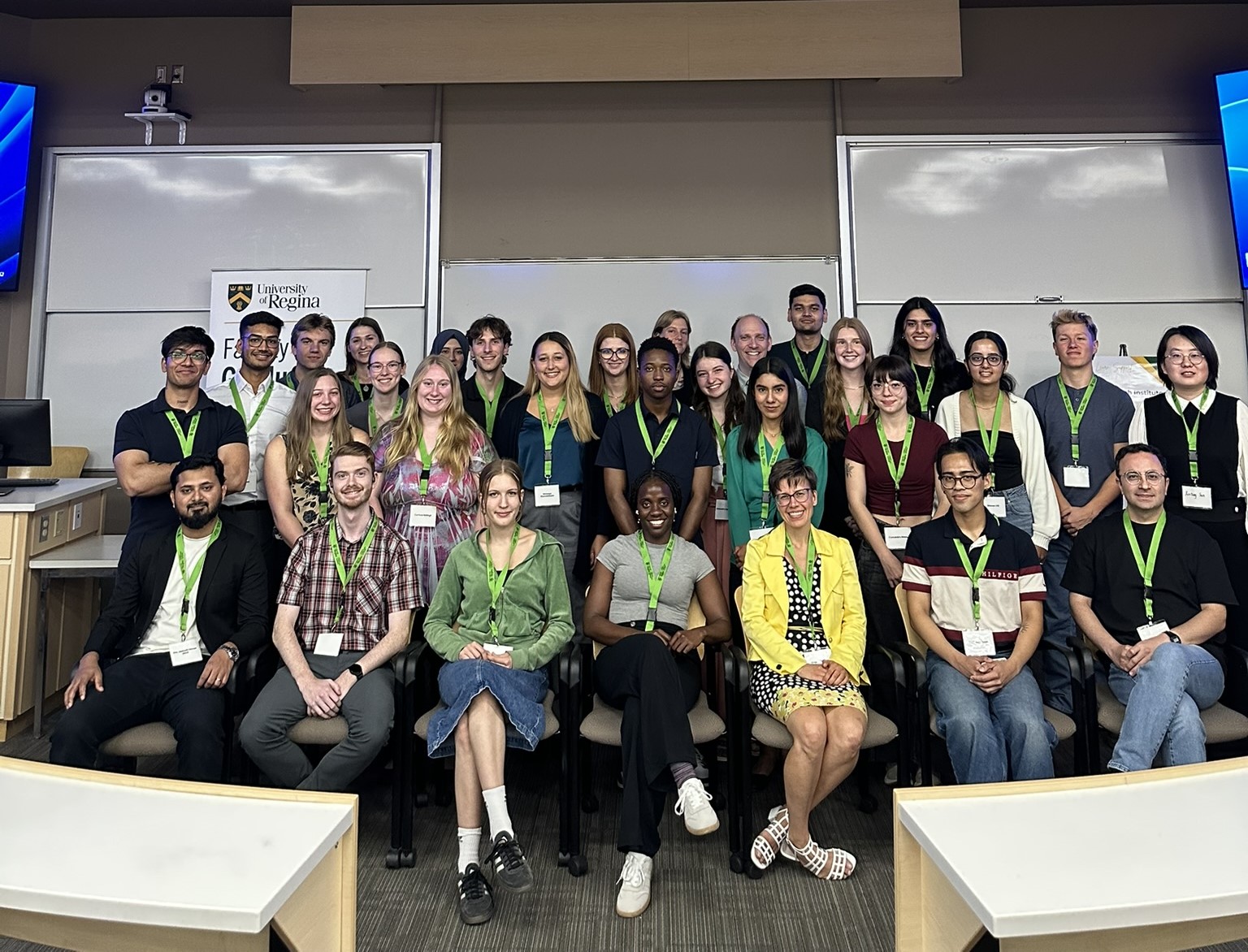
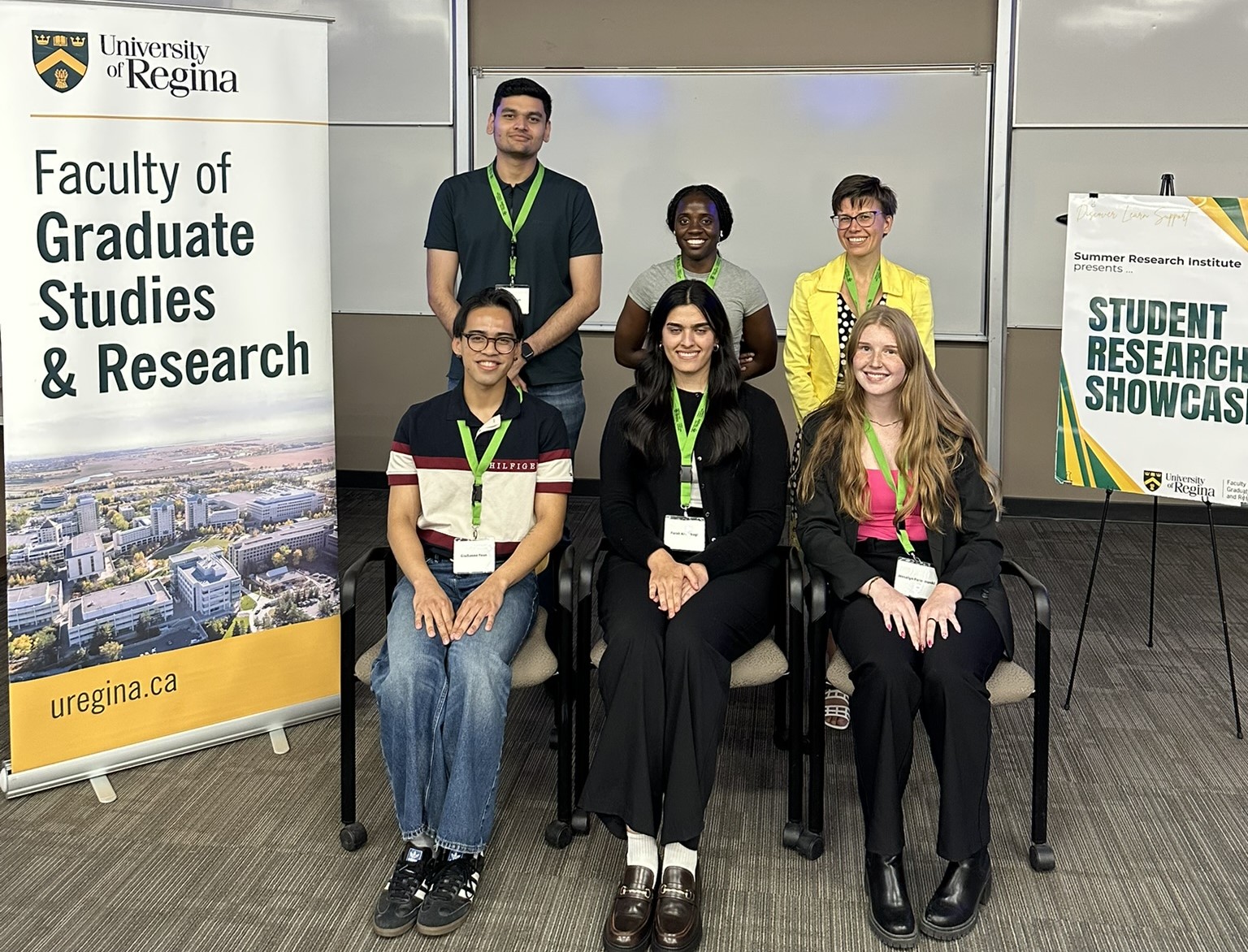
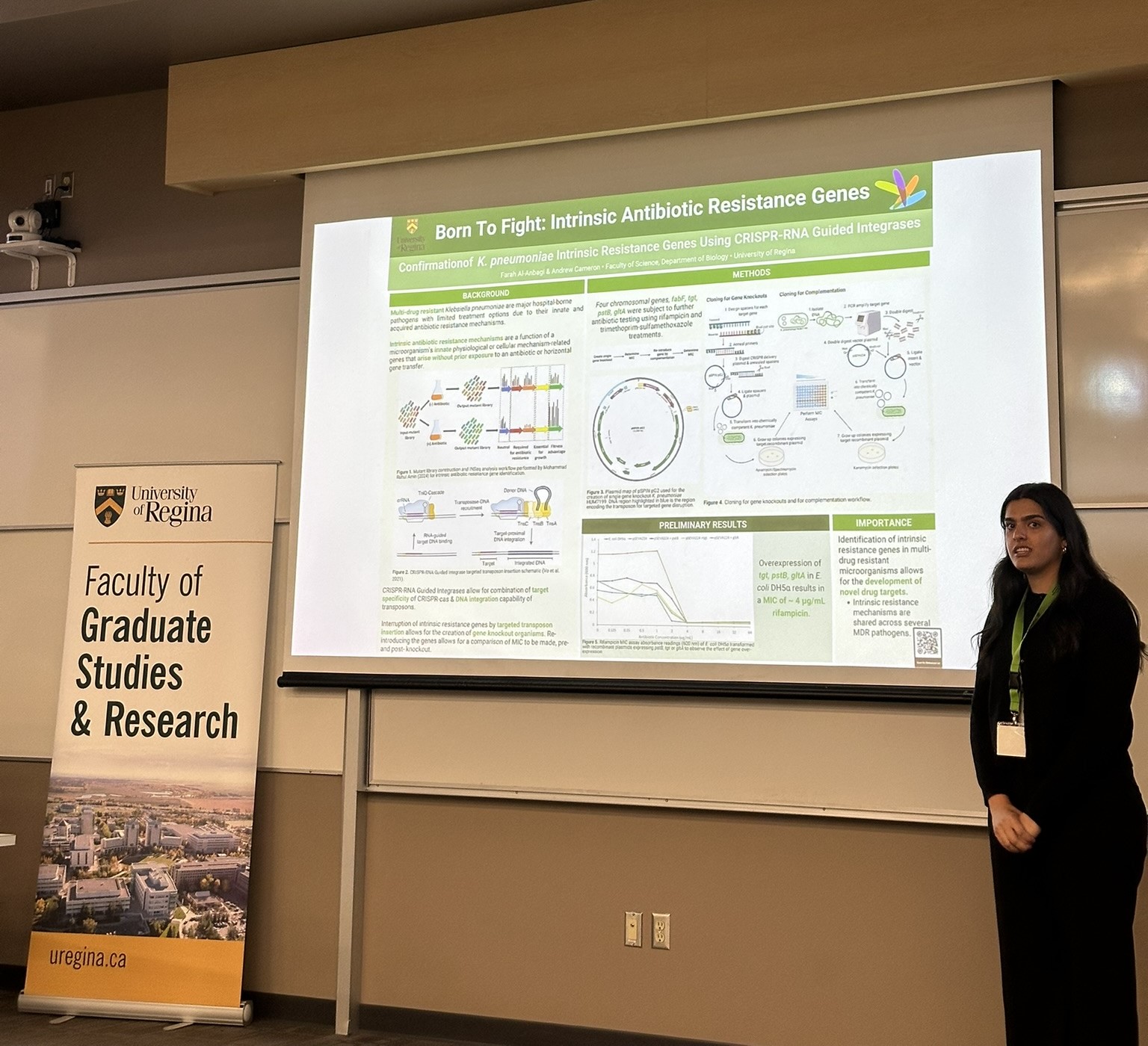
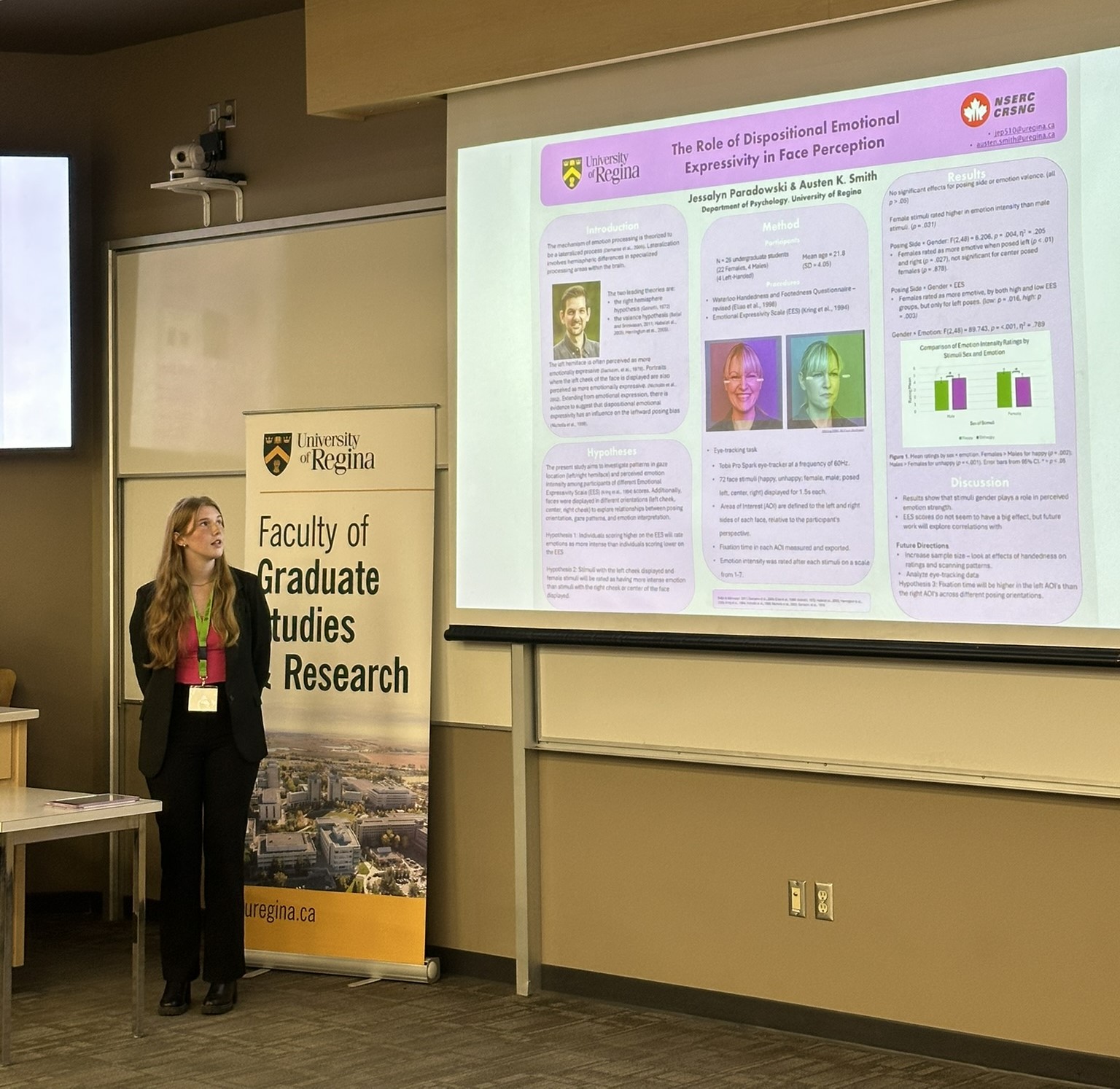
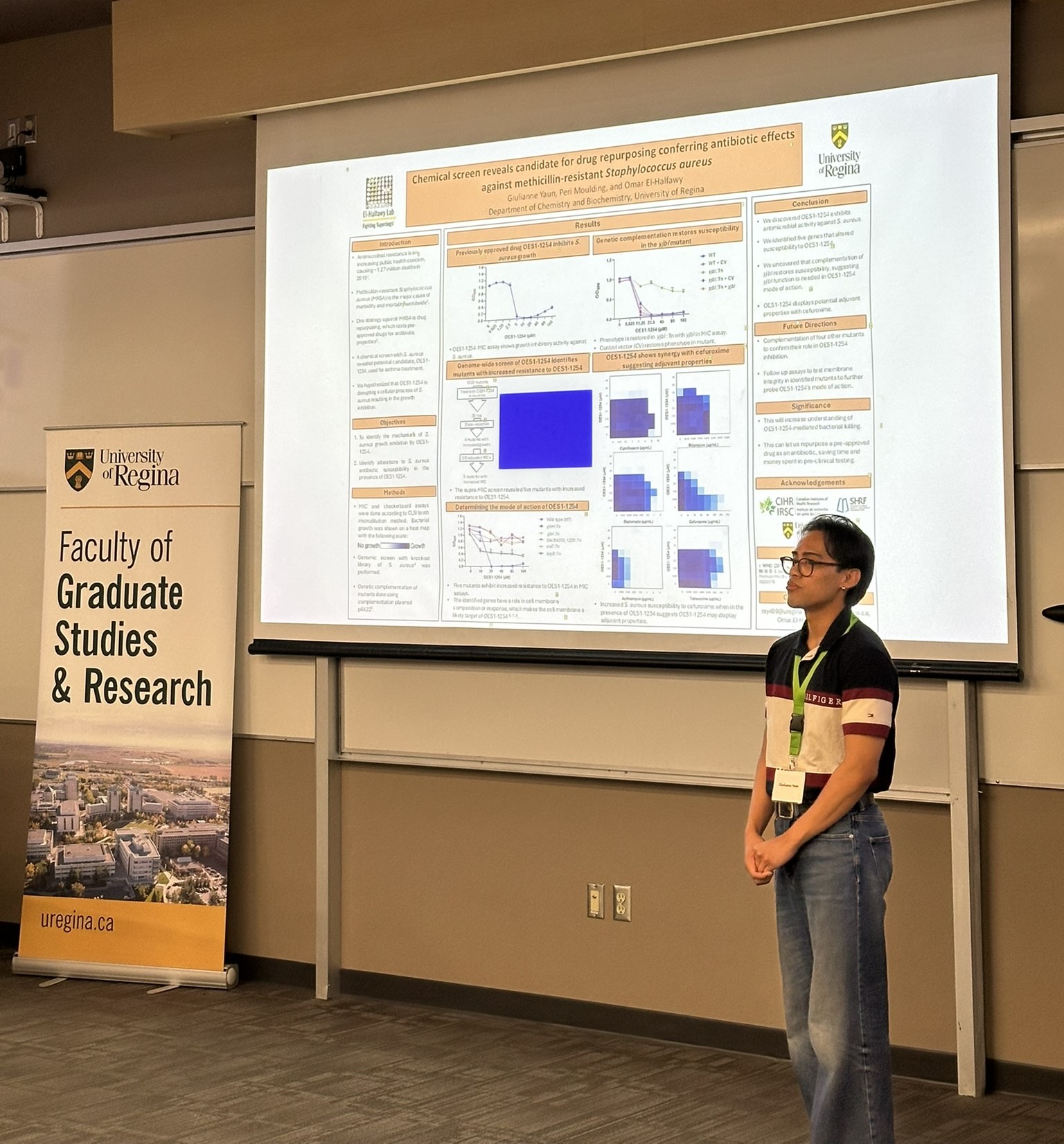
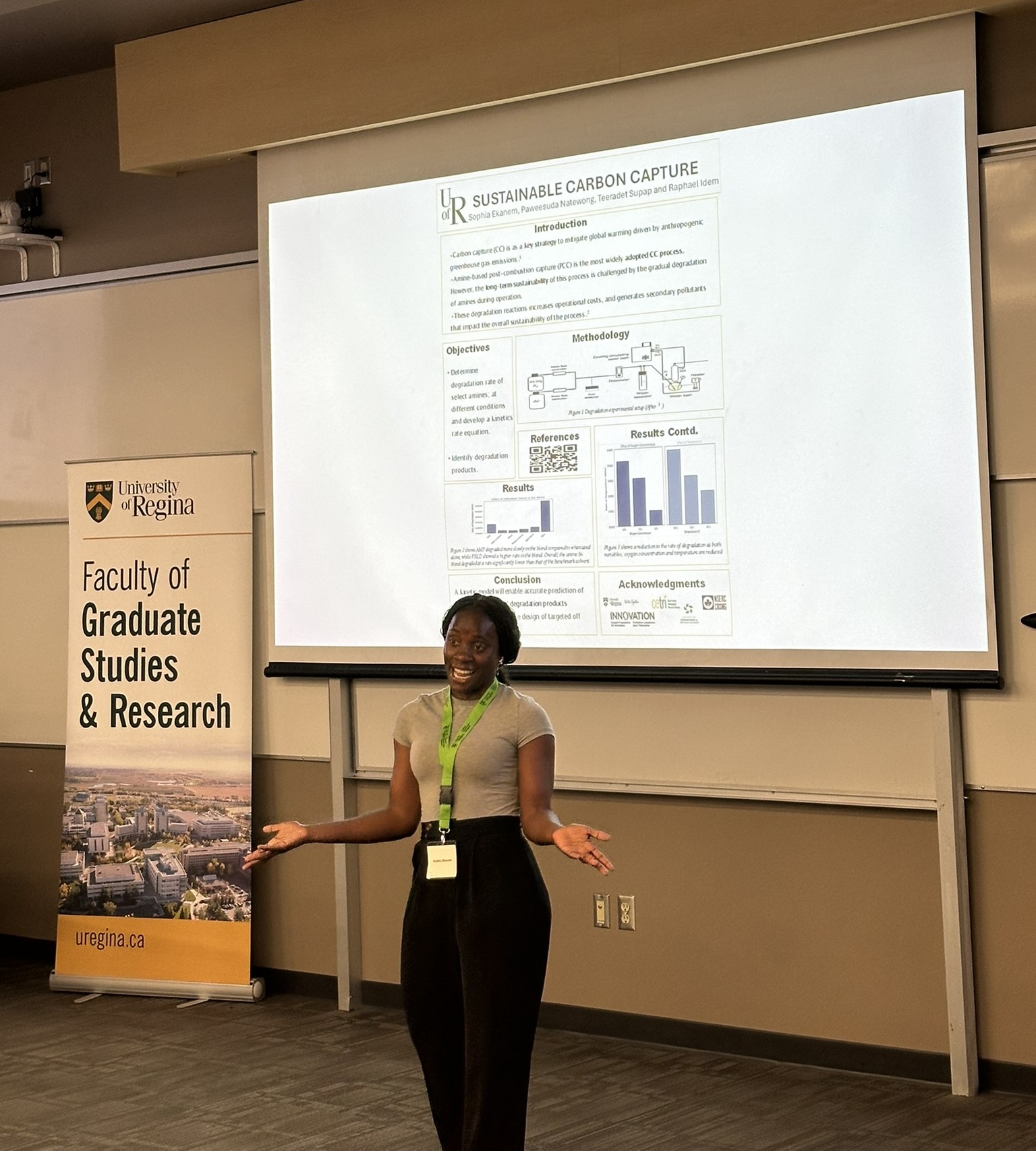
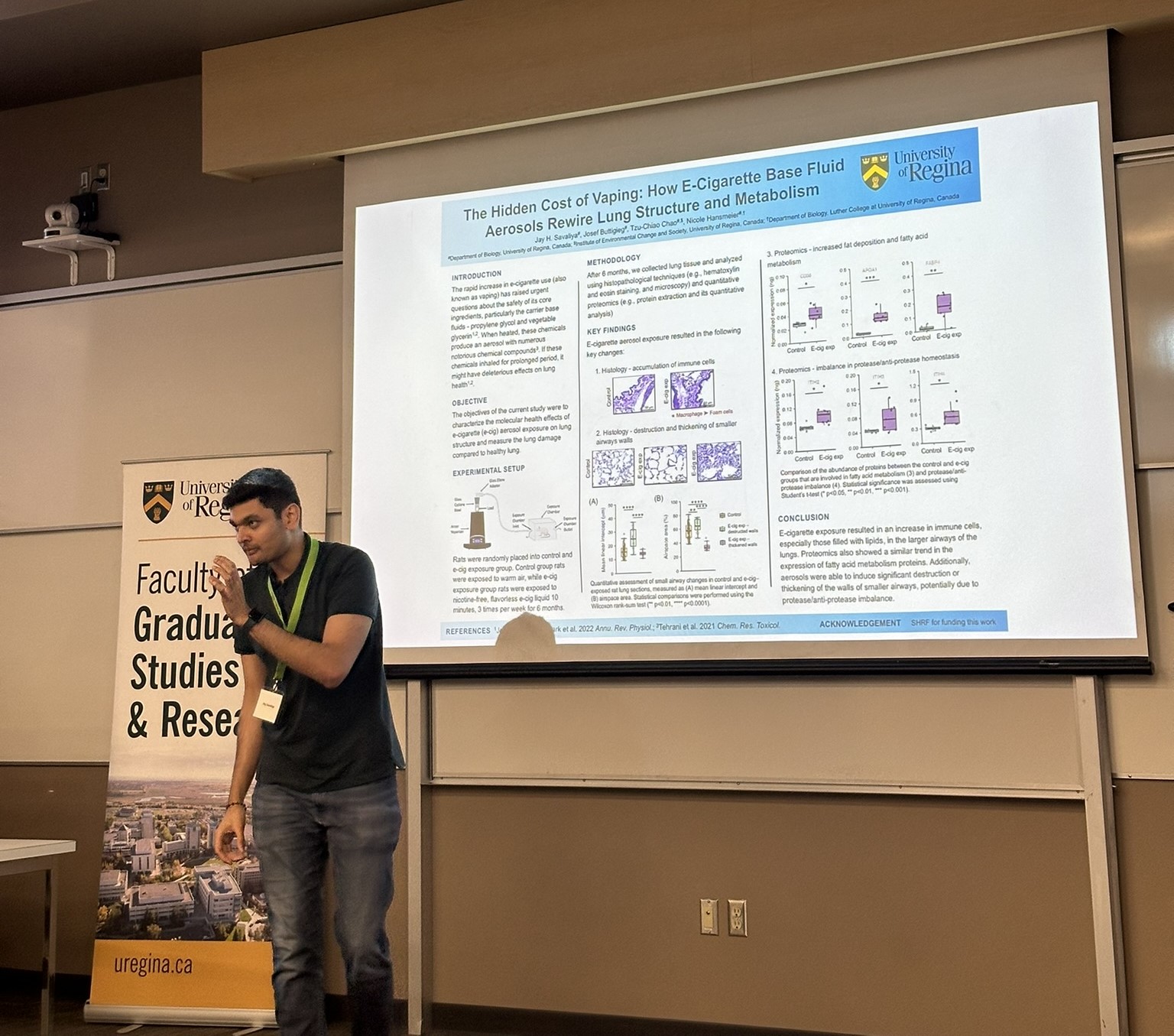
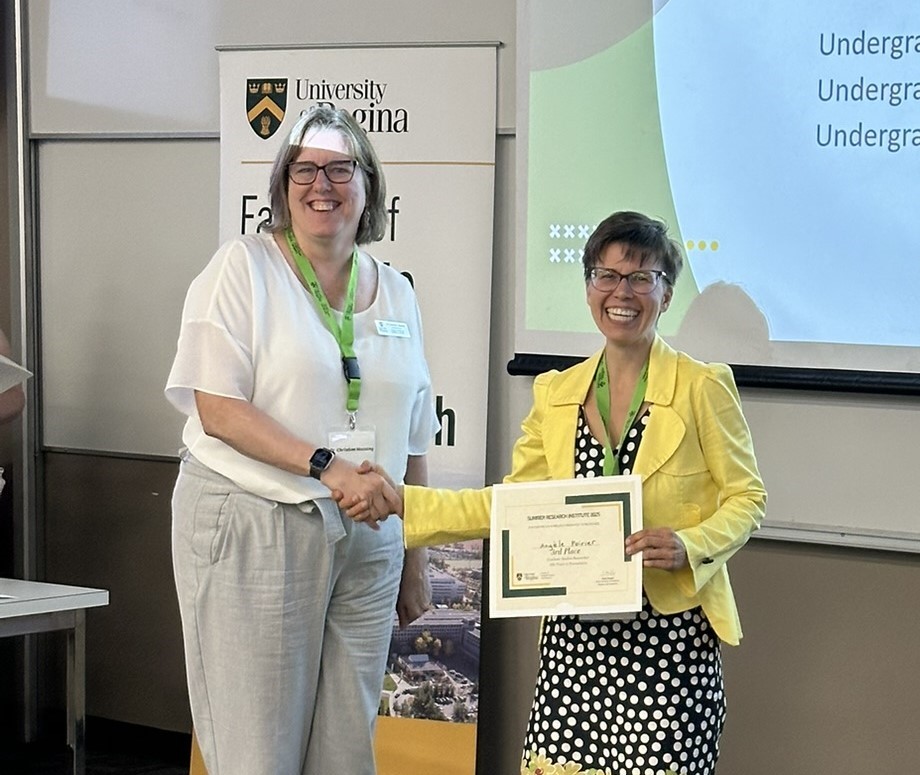
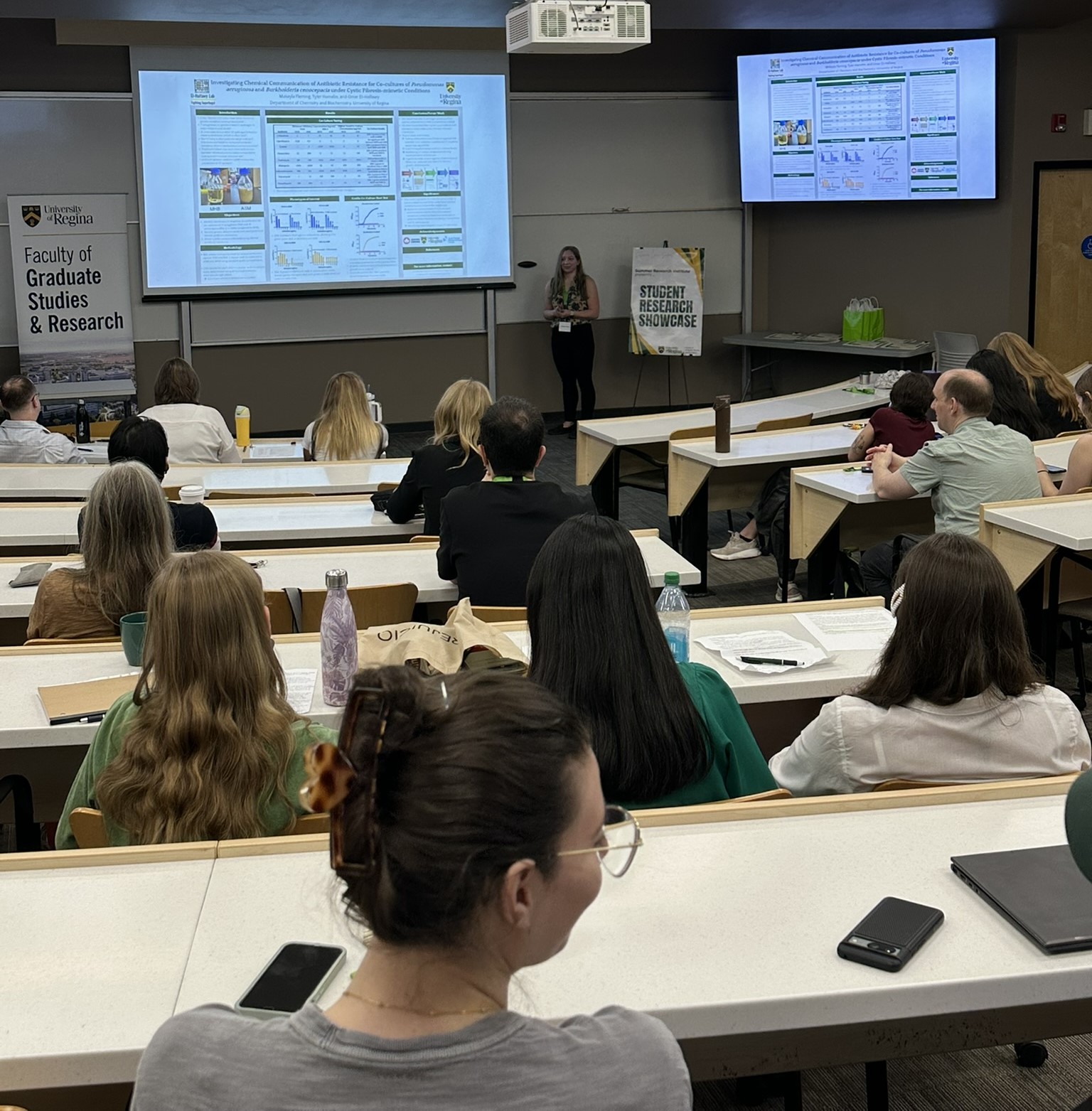
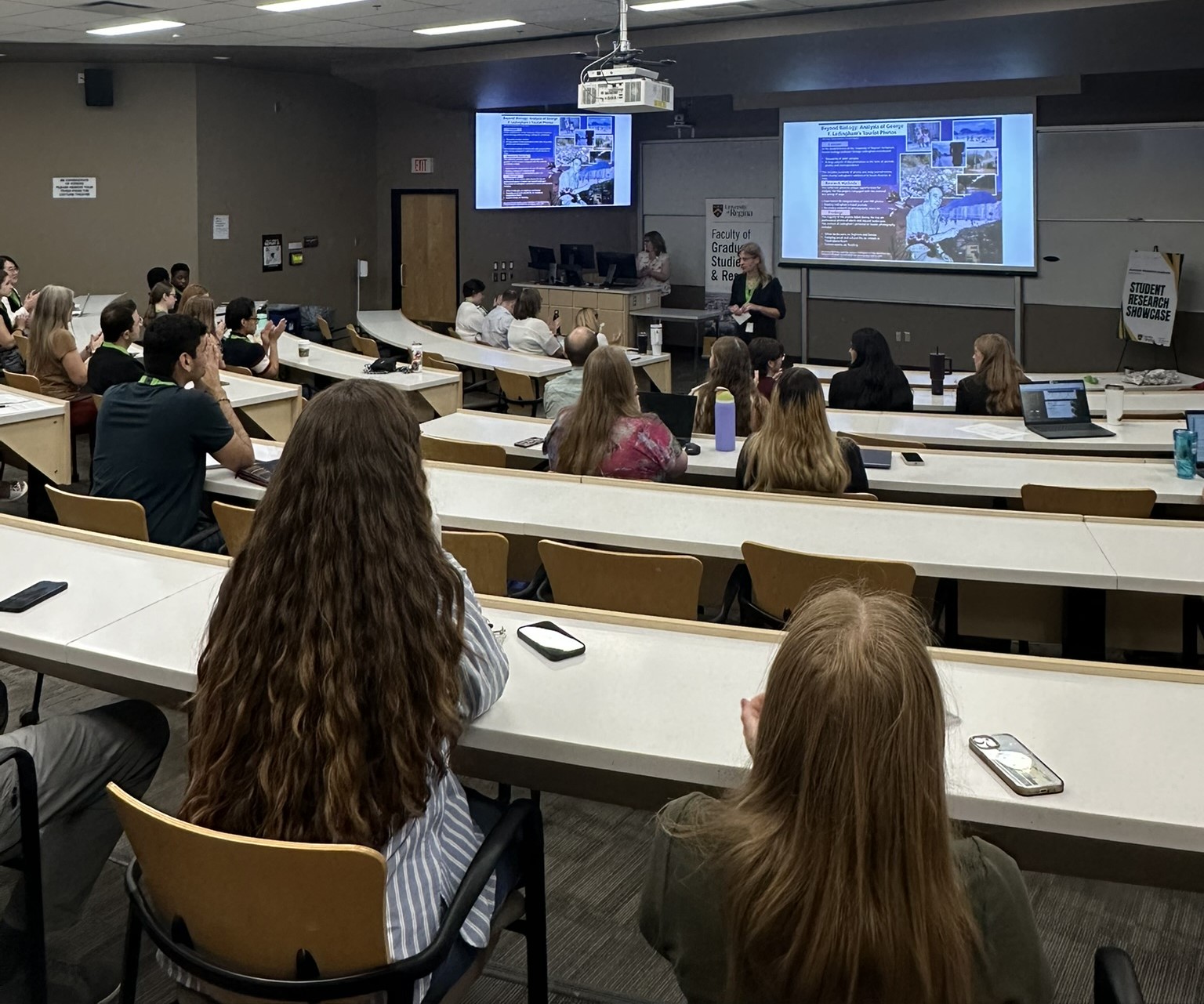
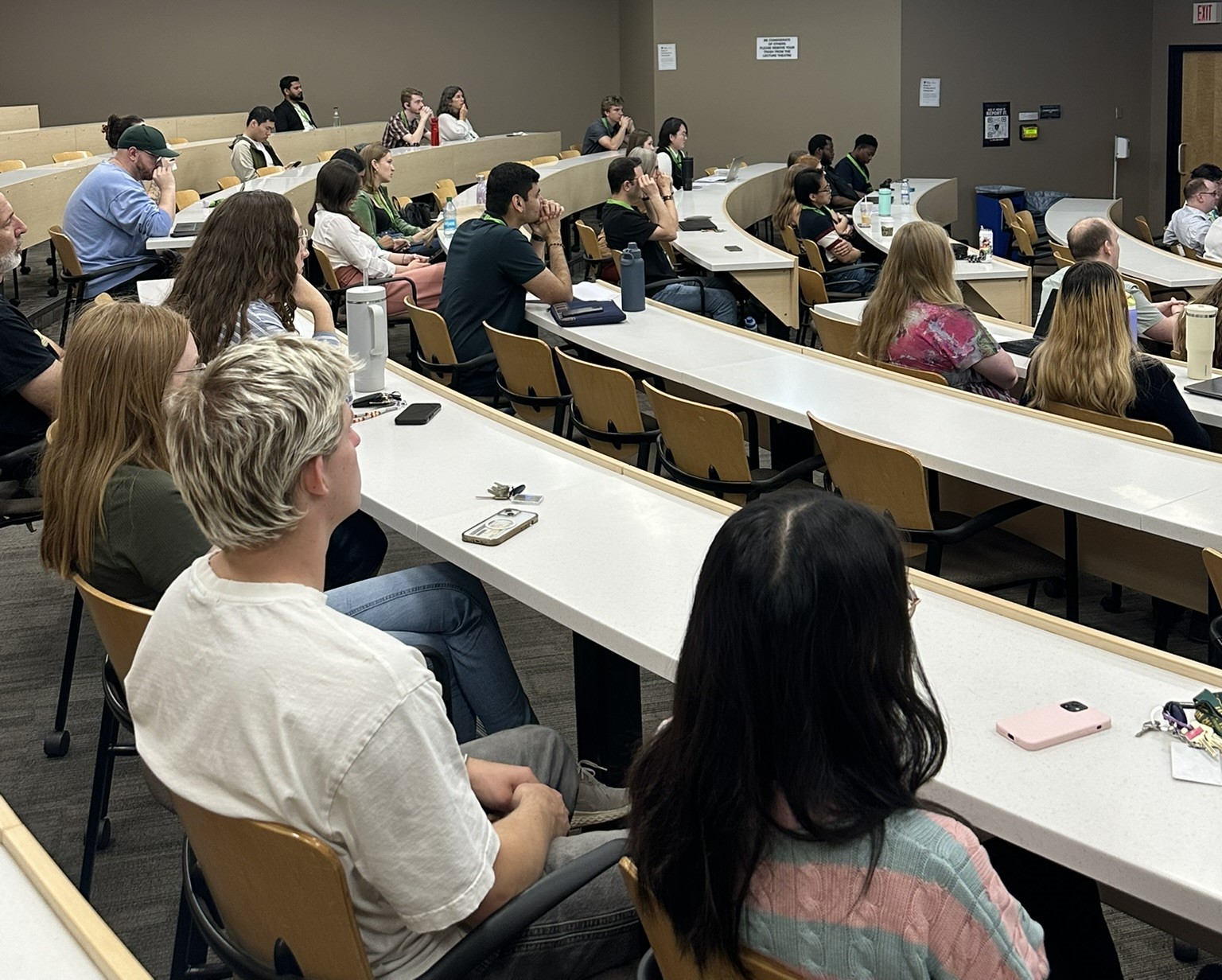
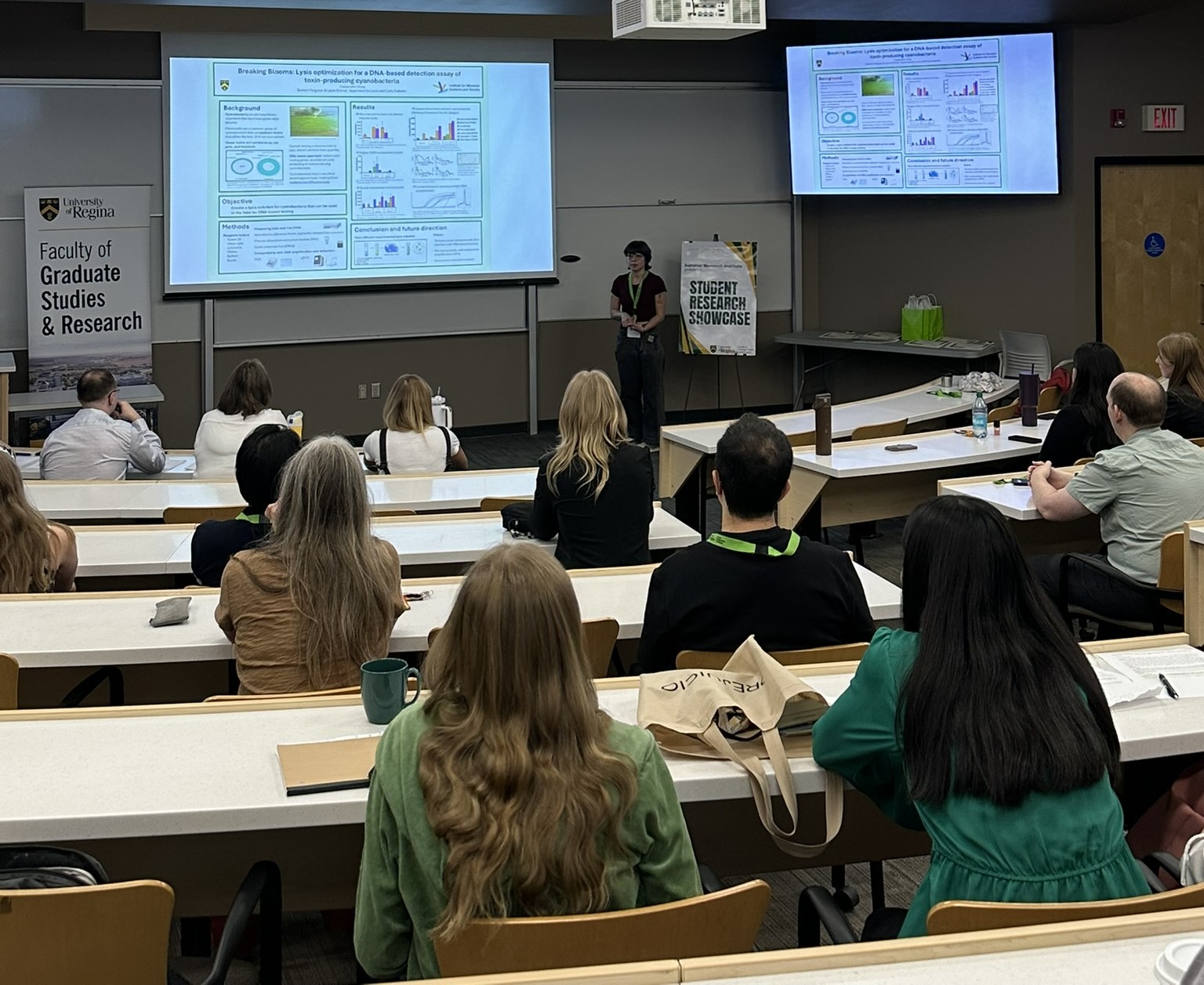
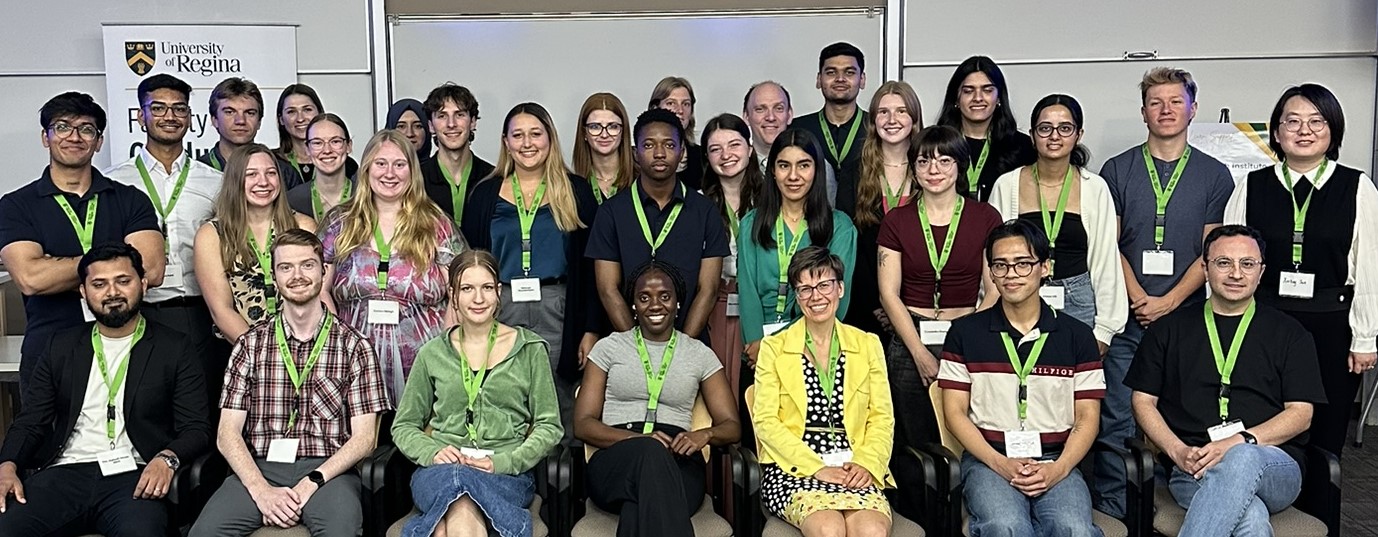
Celebrating the Success of the 2025 Summer Research Institute
The Faculty of Graduate Studies and Research is proud to celebrate the conclusion of the 2025 Summer Research Institute (SRI), a program that brought together undergraduate and graduate students for a summer of learning, research, and community building.
Over the past four months, students attended workshops on core research skills, academic integrity, and knowledge mobilization, while also dedicating countless hours to advancing their own research projects. Their commitment, curiosity, and persistence were on full display at the Poster and Presentation Showcase, where participants presented their work to peers, faculty, and judges in an engaging and supportive environment.
A special congratulations goes to our 2025 SRI Winners:
Graduate Student Winners:
Jay Savaliya
Sophia Ekanem
Angèle Poirier
Undergraduate Student Winners
Giulianne Yaun
Farah Al-Anbagi
Jessalyn Paradowski
We extend our sincere thanks to all of the student participants for their hard work and dedication, to our workshop facilitators for sharing their expertise, and to the judges who generously gave their time and thoughtful feedback. Together, you made this inaugural Summer Research Institute a meaningful success.
The SRI not only showcased the incredible research happening at the University of Regina but also highlighted the supportive community that makes this work possible.