
Honouring Education and Resilience: Donors fuel Project Resilience at the U of R
As the University of Regina enters 2026, it celebrates the generosity of donors who are transforming lives through Project Resilience, the University’s scholarship program for students affected by conflict. Established in 2022, Project Resilience supports students from war-torn regions, offering scholarships, housing, and essential services to ensure they can continue their studies safely in Canada.
Education elevates people. When communities stand in the way of education, the world must step in.
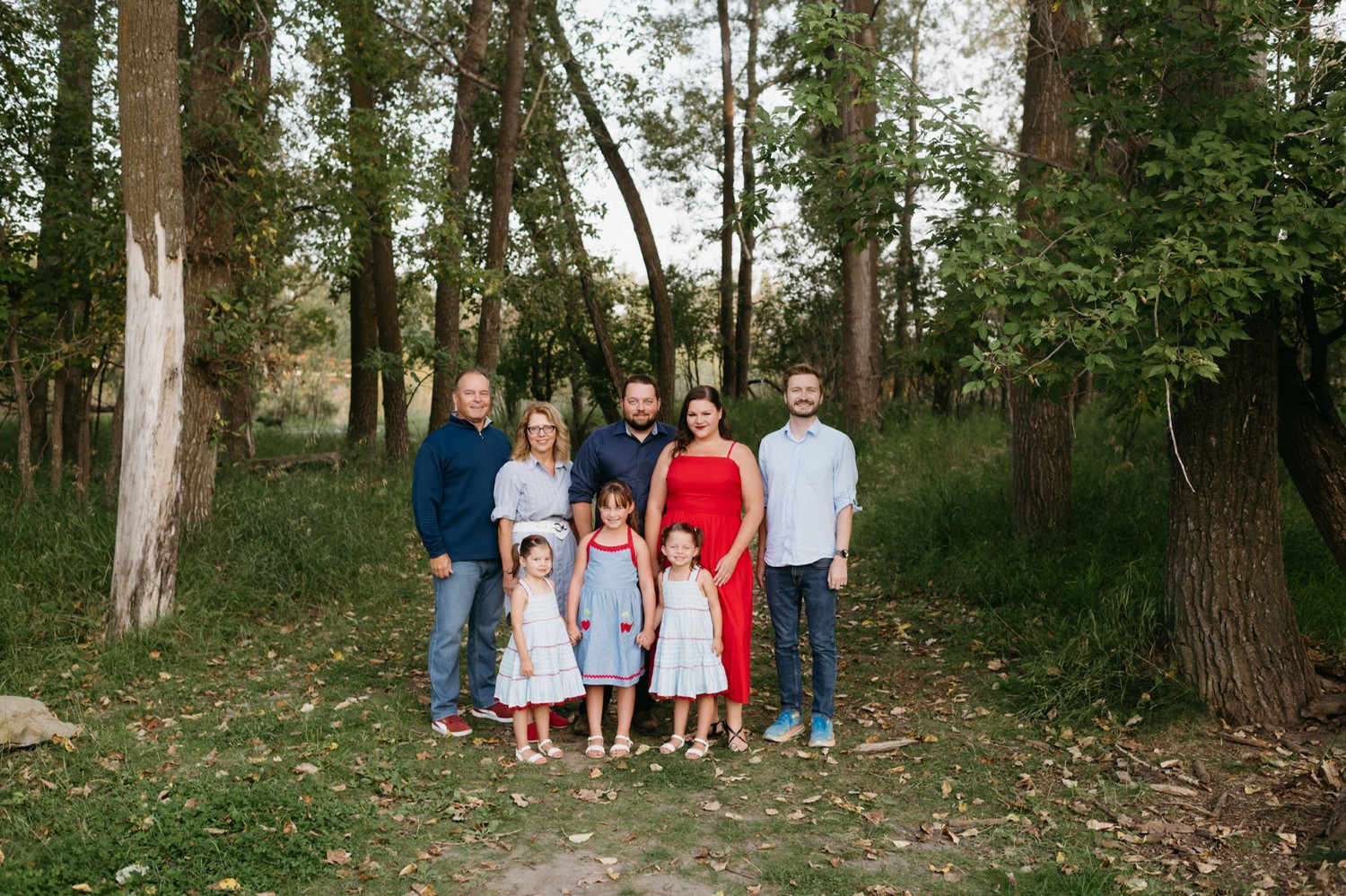
— Rick and Ingrid Green, parents of Kaylie Green and Project Resilience supporter
In late 2025, the University welcomed its first and second cohorts of Afghan women students through Project Resilience. For hundreds of Afghan women, education beyond Grade 6 is forbidden under Taliban rule. Many faced the sudden collapse of international scholarship support, placing their studies—and in some cases their safety—in jeopardy.
Thanks to Project Resilience and the compassion of donors like the Greens, these women now have the chance to pursue their academic dreams in a safe, supportive environment. Friba Rezayee, Executive Director of Women Leaders of Tomorrow, who has been instrumental in coordinating students’ placements, emphasized, “Together, we are not only giving these women access to education, but also the freedom to study, to exercise their human rights, and to realize their biggest dreams in a safe country like Canada.”
The Green’s connection to Project Resilience is deeply personal. Their donation honours the memory of their daughter, Kaylie, an accomplished astrophysicist who passed away just months before receiving her PhD. “Kaylie often remarked how lucky she was to study freely and learn,” Rick explained. “Education is something many take for granted. Supporting these students allows us to help them finish their dreams, something that would have deeply mattered to her.”

The Greens were particularly moved by the challenges Afghan women students face. “We recognized the difficulty these women endure to pursue their passions and fulfill their right to education. The fact that they risk everything to pursue their studies is inspiring,” Rick said.
Reflecting on the broader lessons of Project Resilience, Ingrid shared, “Education elevates people. When communities stand in the way of education, the world must step in. Resilience is something we learned from Kaylie, and we see it in these students. We are proud of them; they embody everything she stood for.”
University President Dr. Jeff Keshen emphasized the program’s impact: “Seeing these courageous women on campus demonstrates the importance of equity, compassion, and global citizenship—values that define our institution.”
Afghan students like Nilofar Naderi who is pursuing a Bachelor of Science are already showing remarkable determination. “We have been dealing with uncertainty for the past year, and now it is so good to have this opportunity. I want to show other Afghan girls that they are capable of doing anything they want—trust yourself and your ability to succeed.”

L to R: Sisters Nilofar and Nilab Naderi are among the first Afghan women students to arrive in Regina as part of Project Resistance. They began their studies at the U of R in January 2026. Credit: University Advancement
The success of Project Resilience reflects the compassion of donors across Canada, the United States, and around the world. Project Resilience ensures these students have access not only to education, but also to housing, wellness services, and academic guidance, allowing them to remain safe and focus on achieving their goals.
The Greens hope this initiative will inspire others to take action. “We would say to potential donors to think of their own mothers, wives, daughters, and granddaughters. Kaylie helped us see how unfair life can be when someone is denied opportunities simply because of where they are born. If we have the means, there is no better investment than education for those striving to attain it.”
Looking to the future, Project Resilience is expanding its reach beyond Afghanistan. The program aims to welcome students from other conflict-affected regions, including Ukraine, in the coming years. Ukrainian student Olga Kurt, now studying Psychology at the University of Regina, reflects on the difference such programs make. “Any initiative to support students from Ukraine provides practical help and opportunities. It allows us to succeed despite the challenges we face at home.”

Through Project Resilience, donors like Rick and Ingrid Green are not only funding tuition—they are championing human rights, elevating voices, and giving hope to students whose dreams have been threatened by conflict. Every donation strengthens a network of opportunity and protection for students who might otherwise face impossible circumstances.
The University of Regina continues to welcome support for Project Resilience. Contributions help bring the next cohort of students to campus, offering them the chance to pursue their education safely, thrive academically, and build a brighter future.
For more information or to donate, visit Project Resilience.
Banner photo from left: Friba Rezayee, executive director of Women Leaders of Tomorrow, Spogmai Hashemi (Masters of Public Administration student in the Johnson Shoyama Graduate School of Public Policy), Nilofar Naderi (Bachelor of Science student), and Tahmeana Khaliqi (Bachelor of Science in Computer Science student). Credit: University Advancement