Congratulations to the 2026 Western Regional 3MT Winners
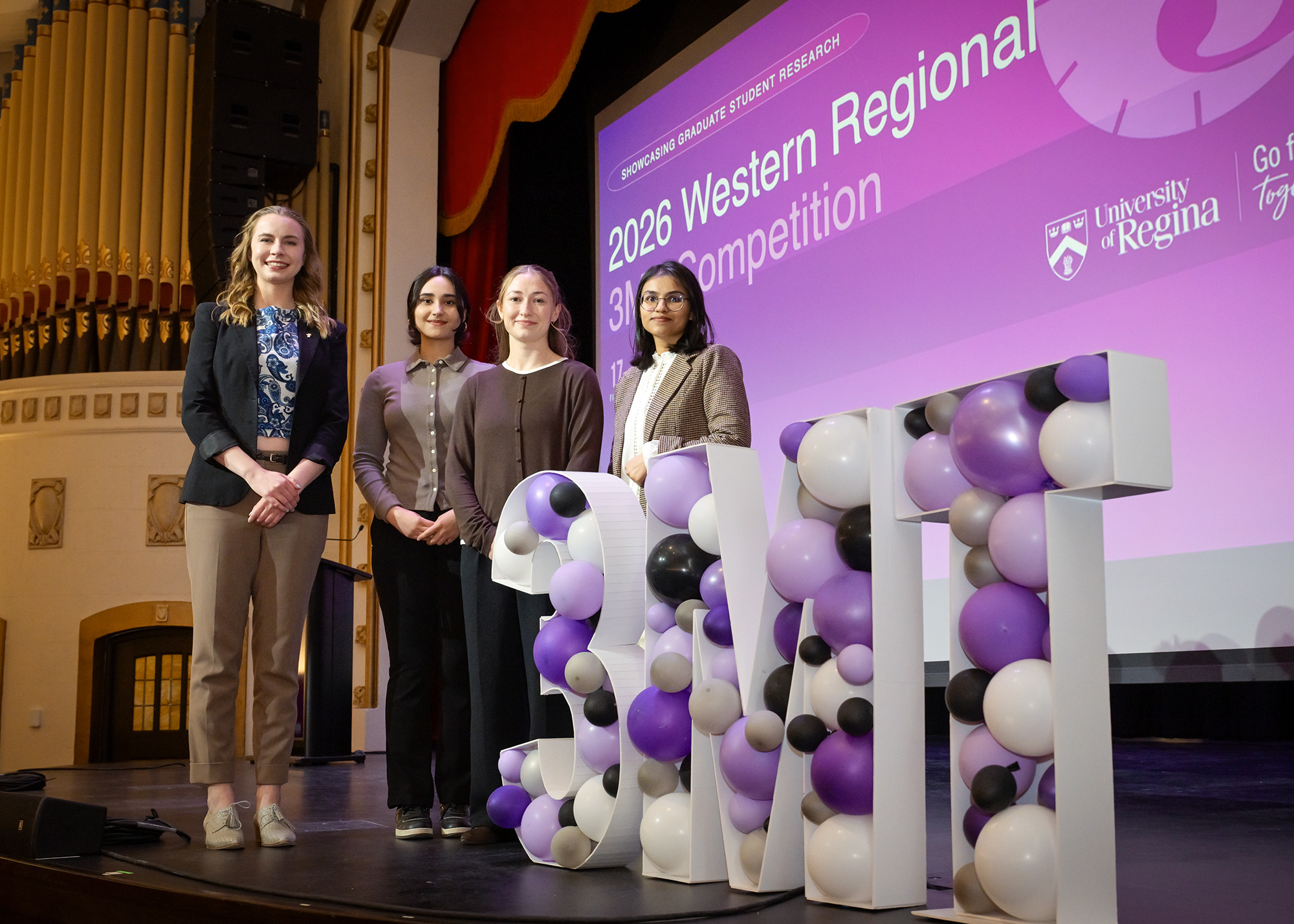
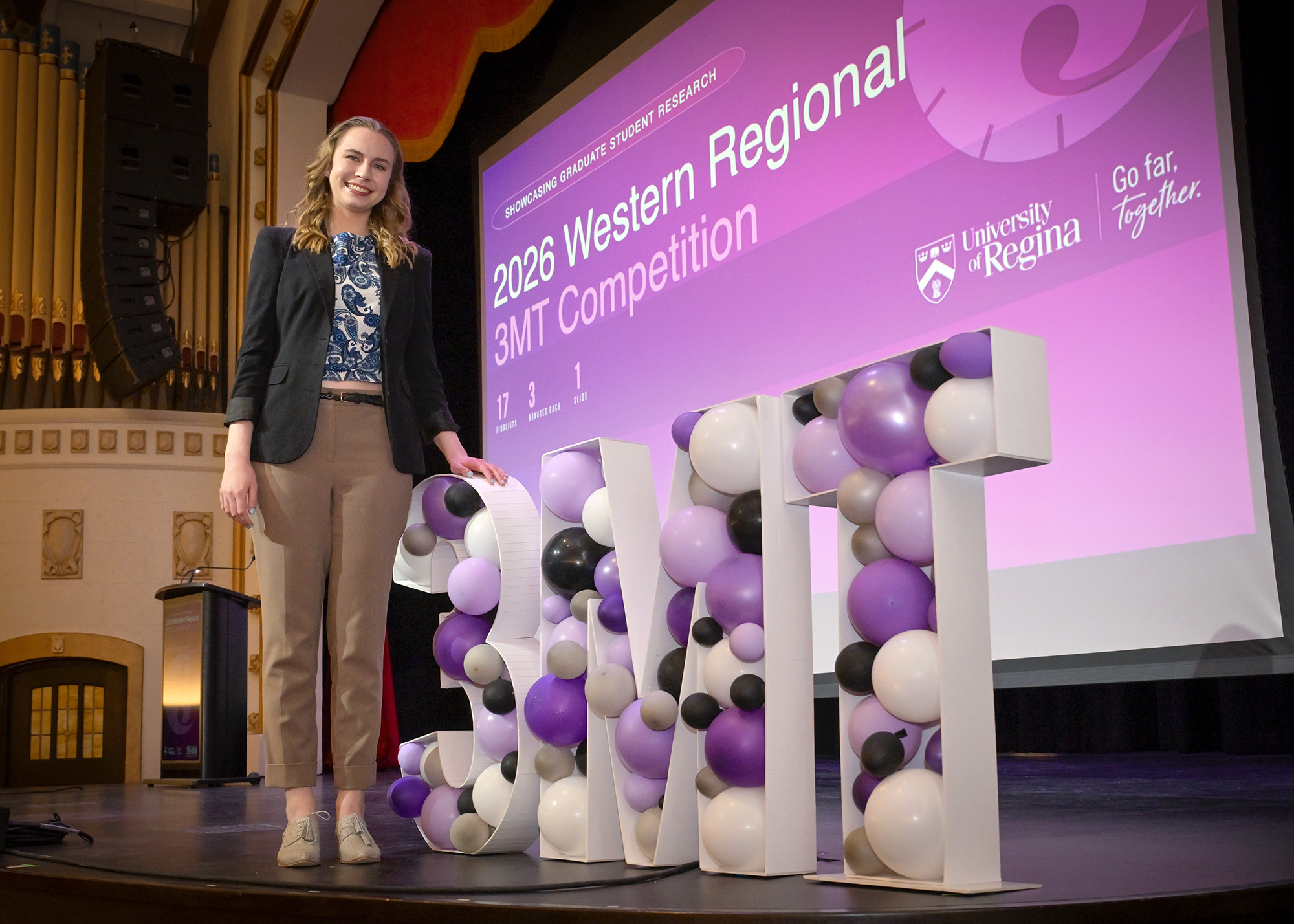
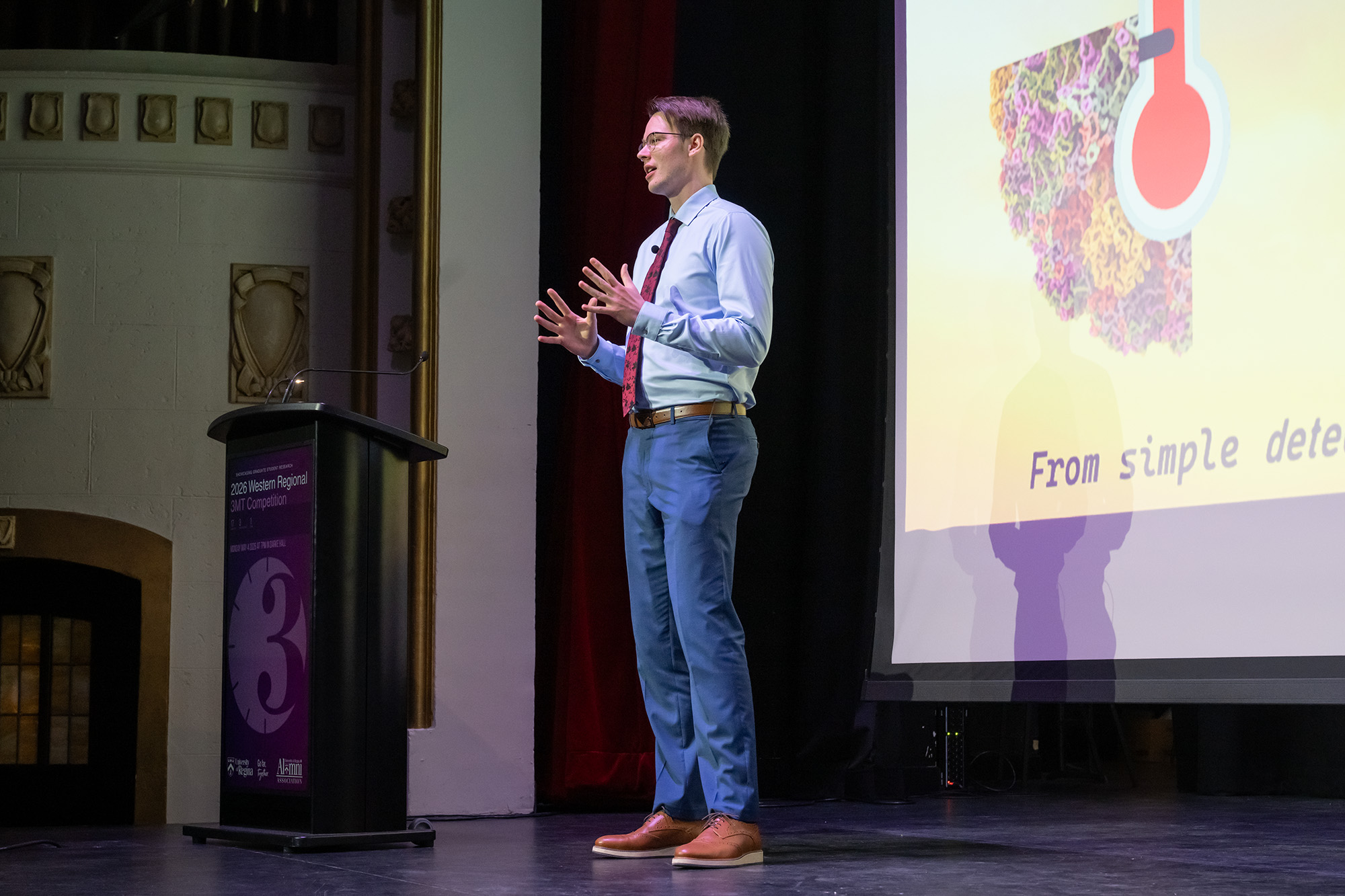
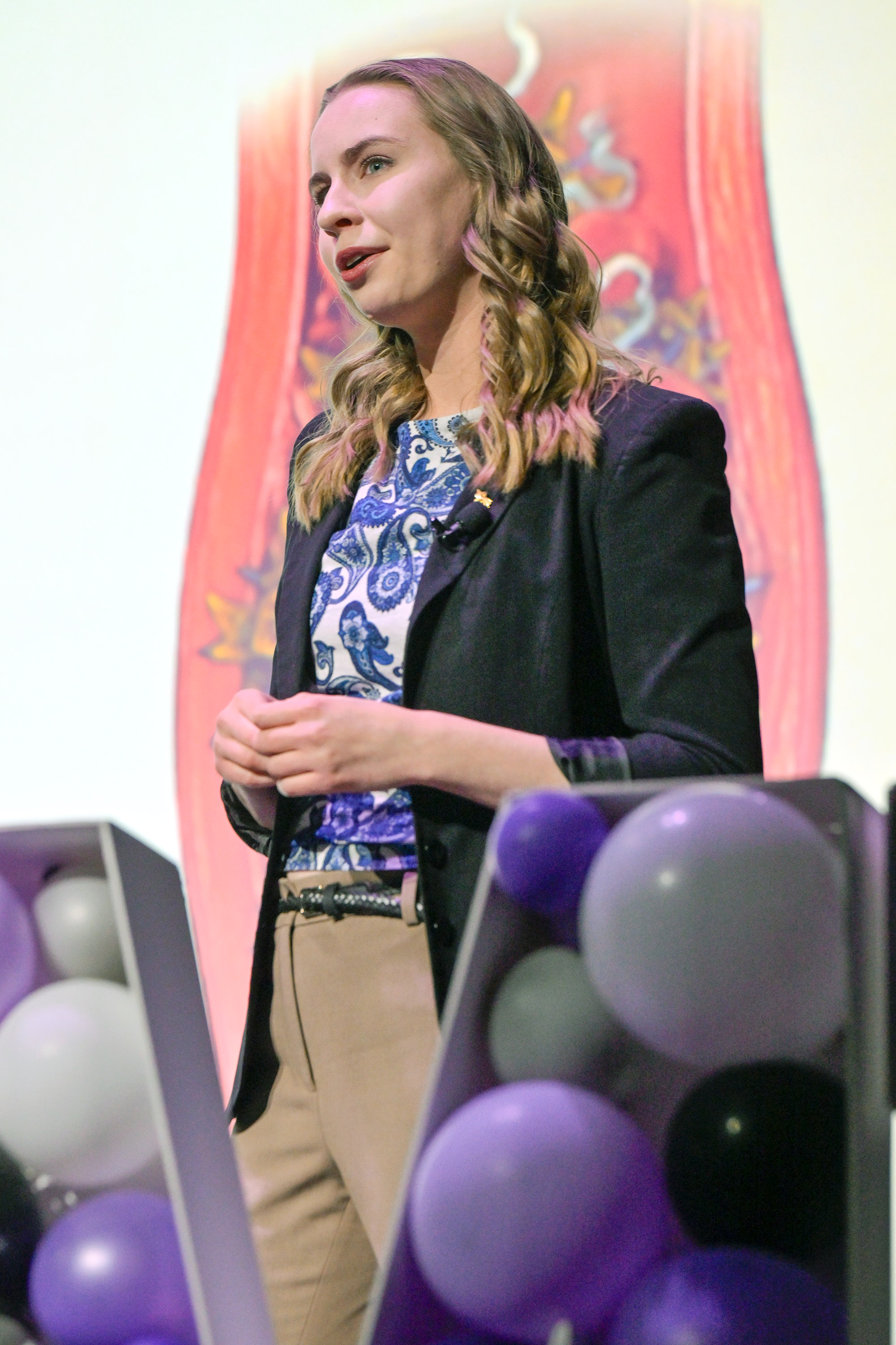
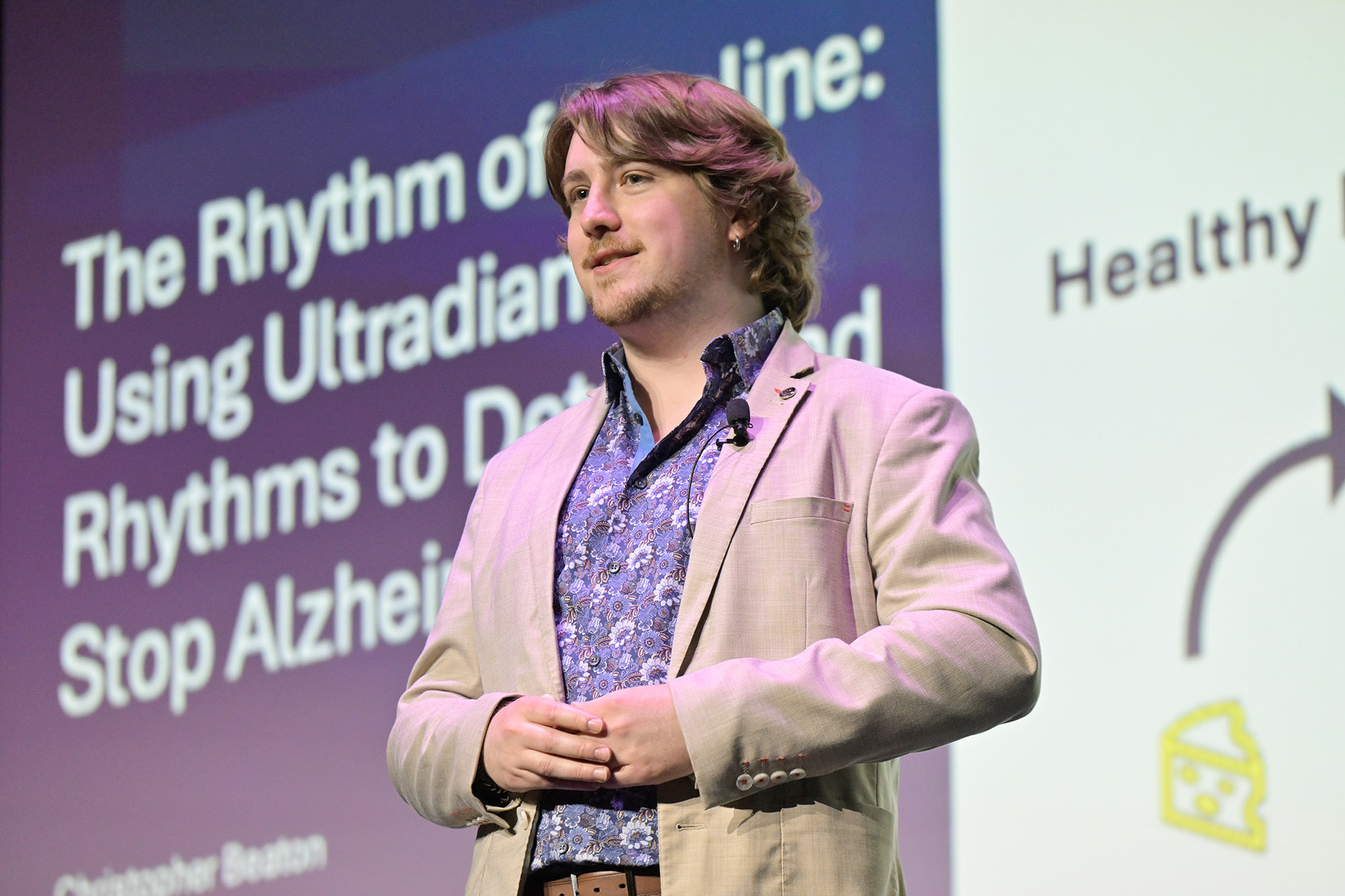
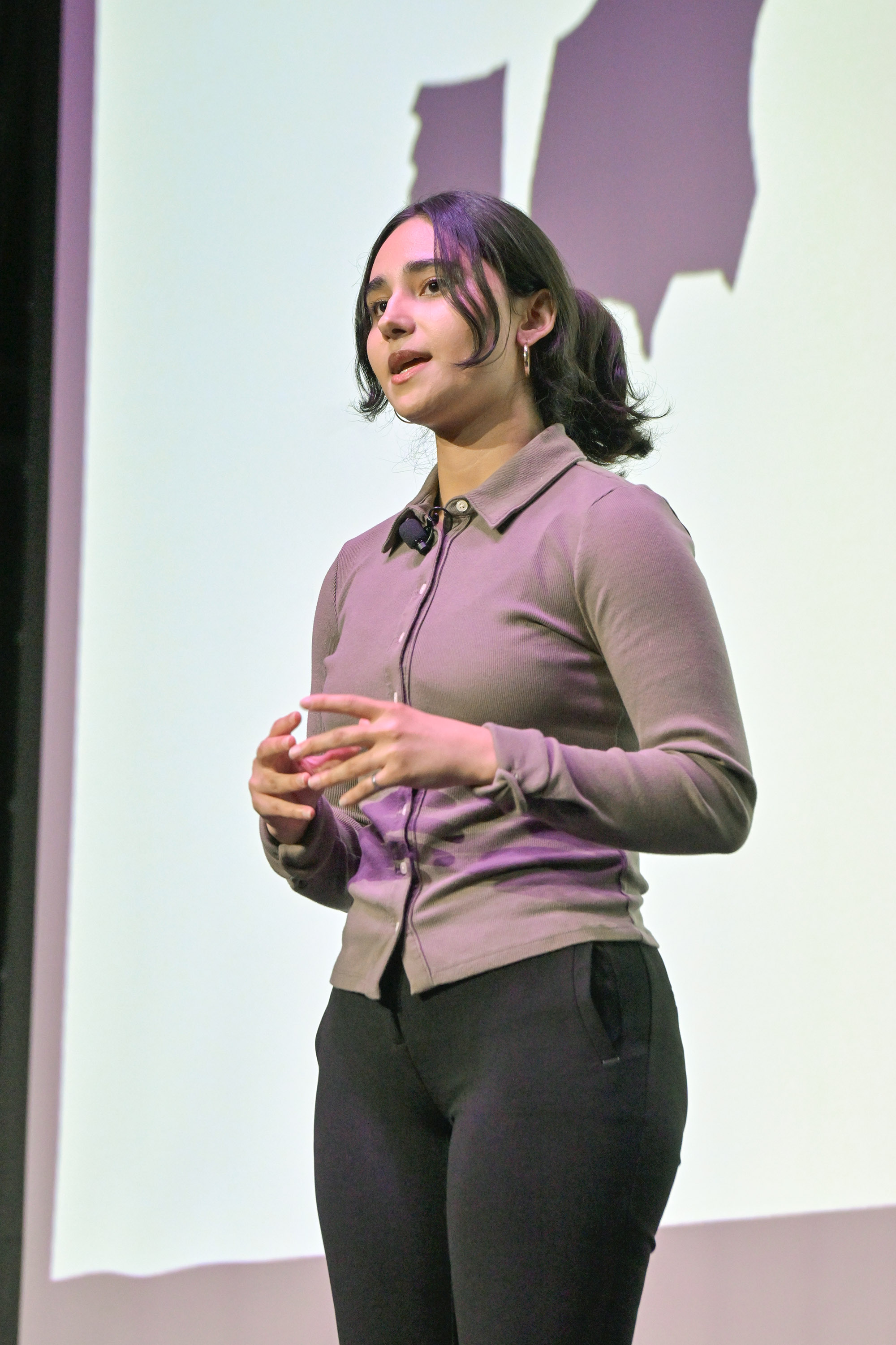
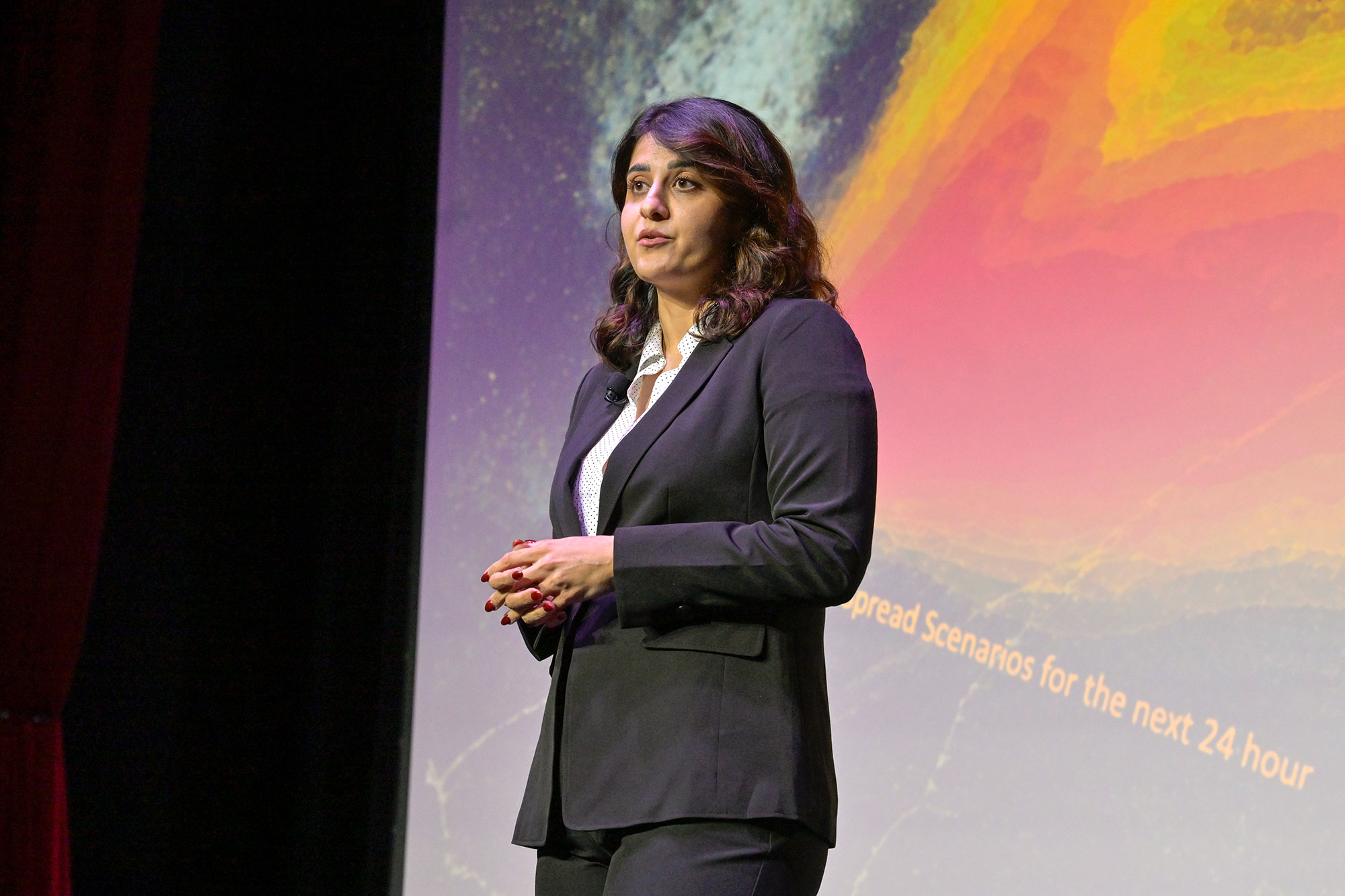
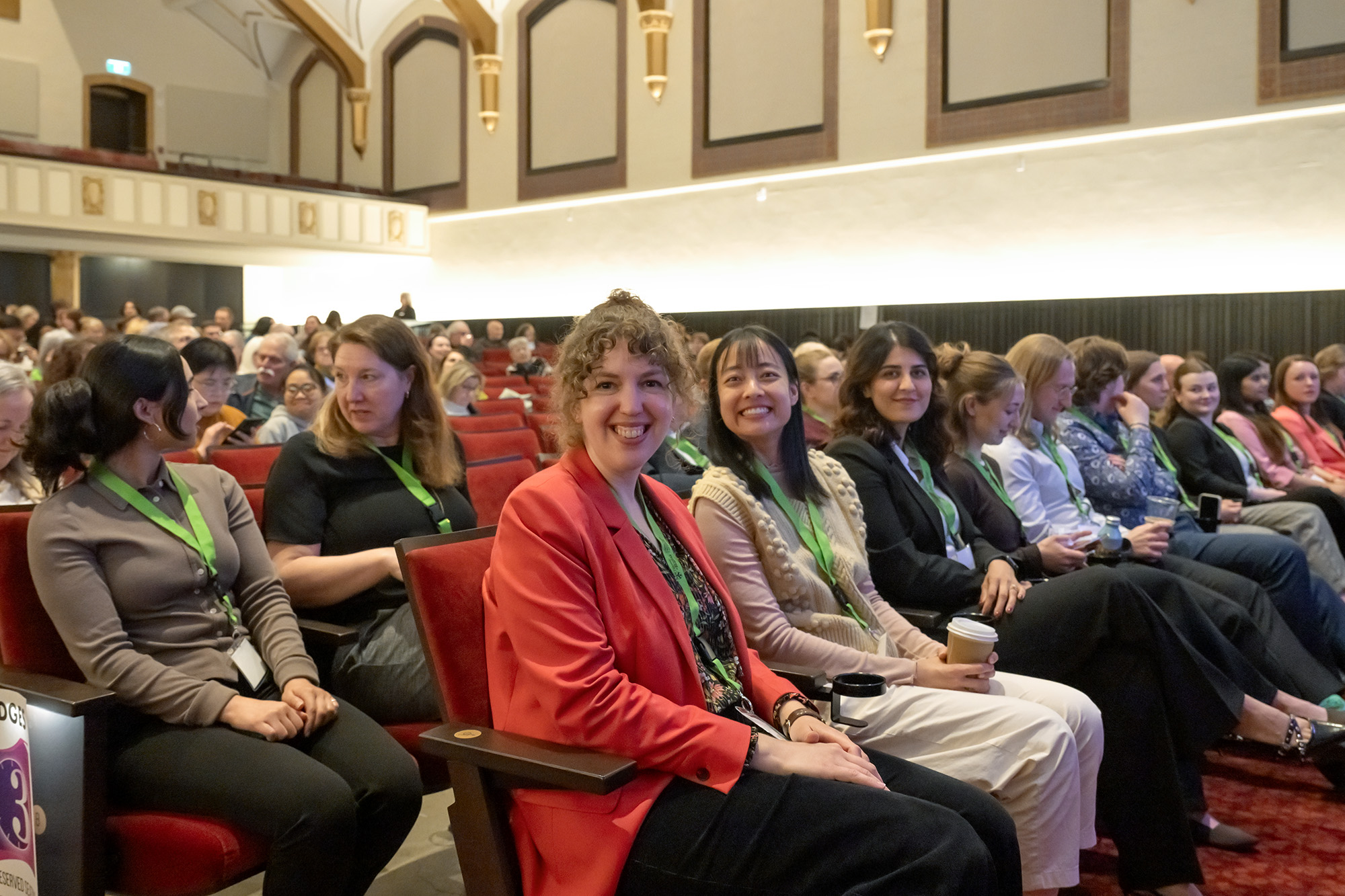
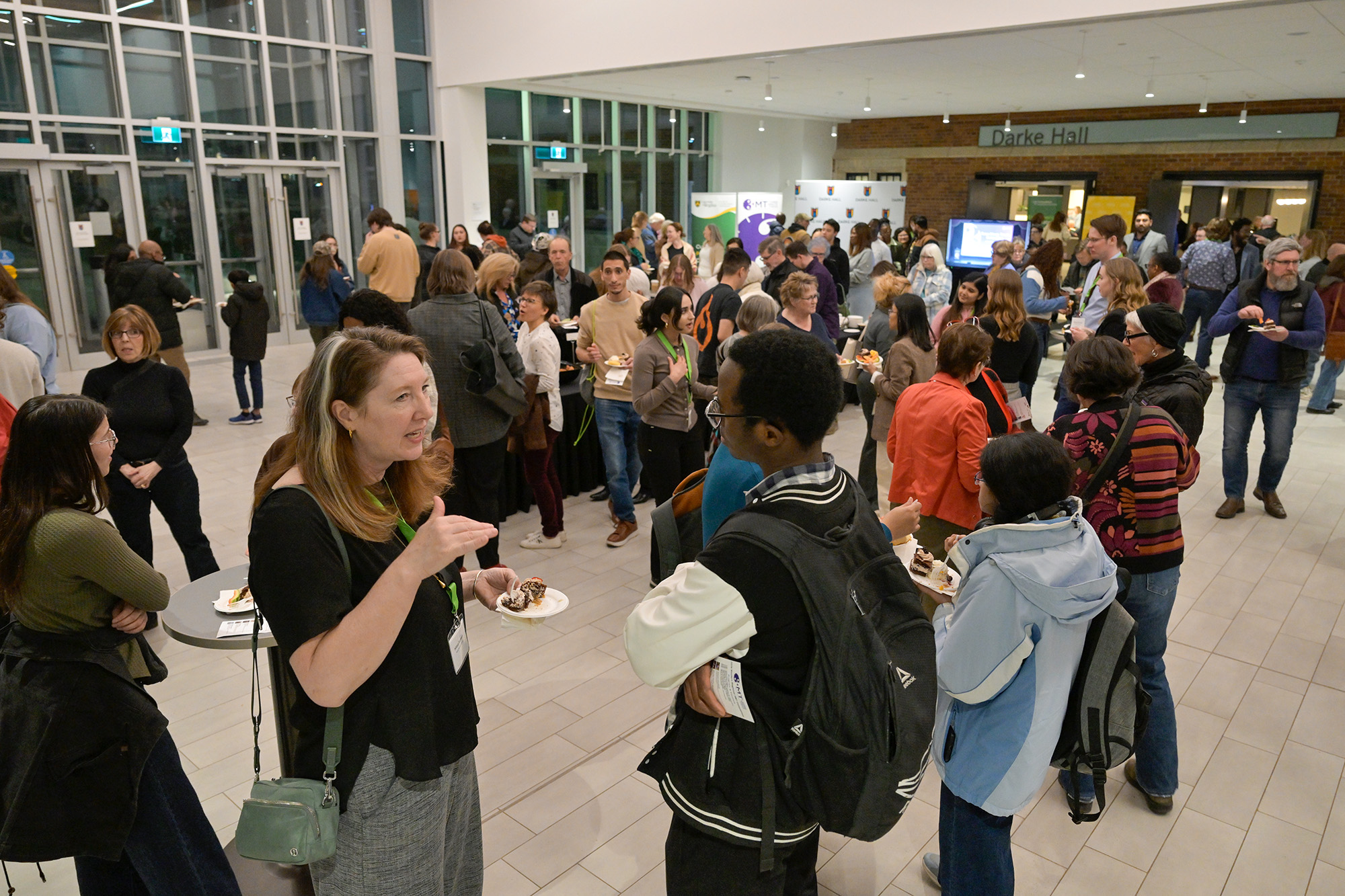
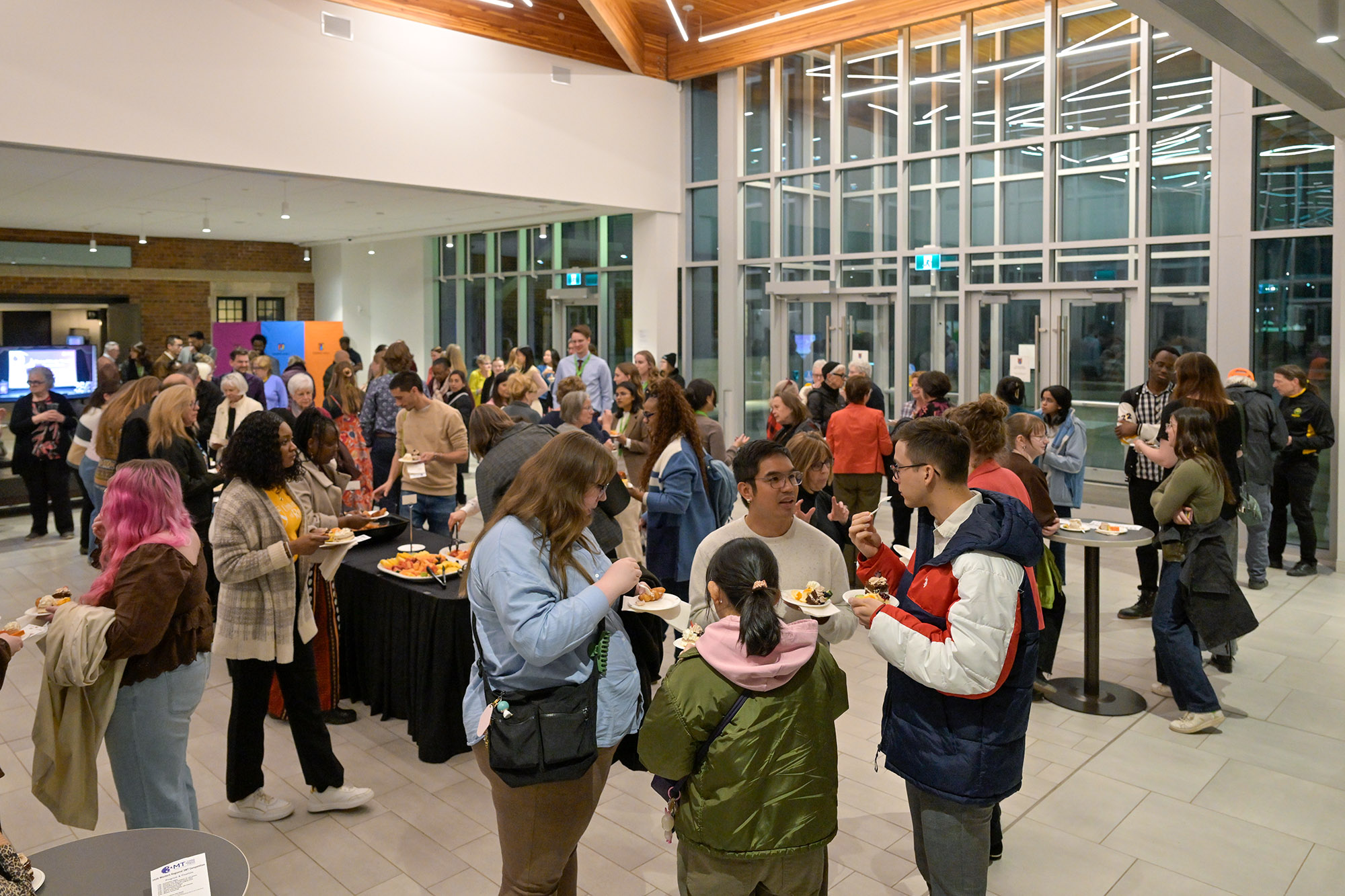
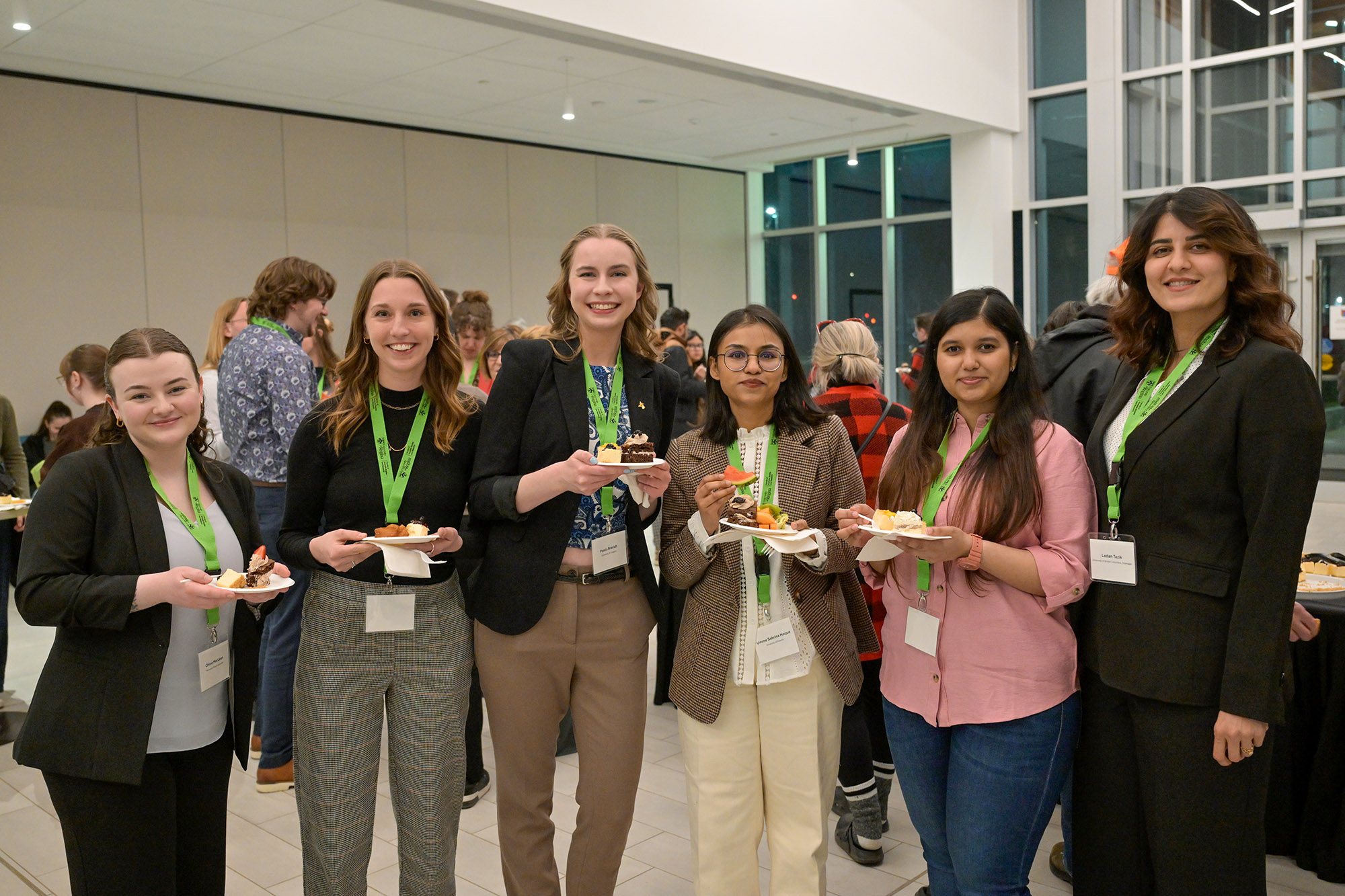
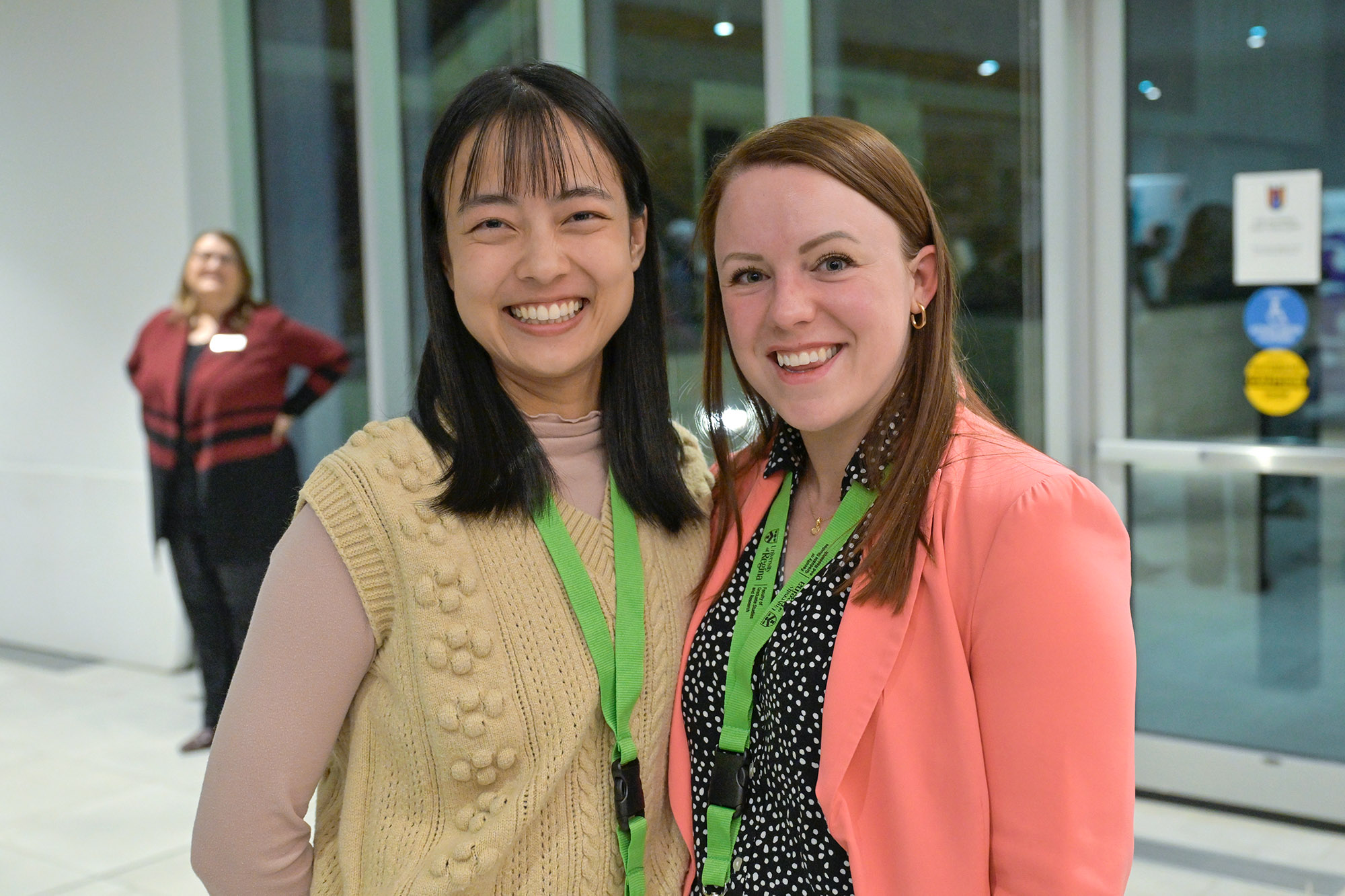
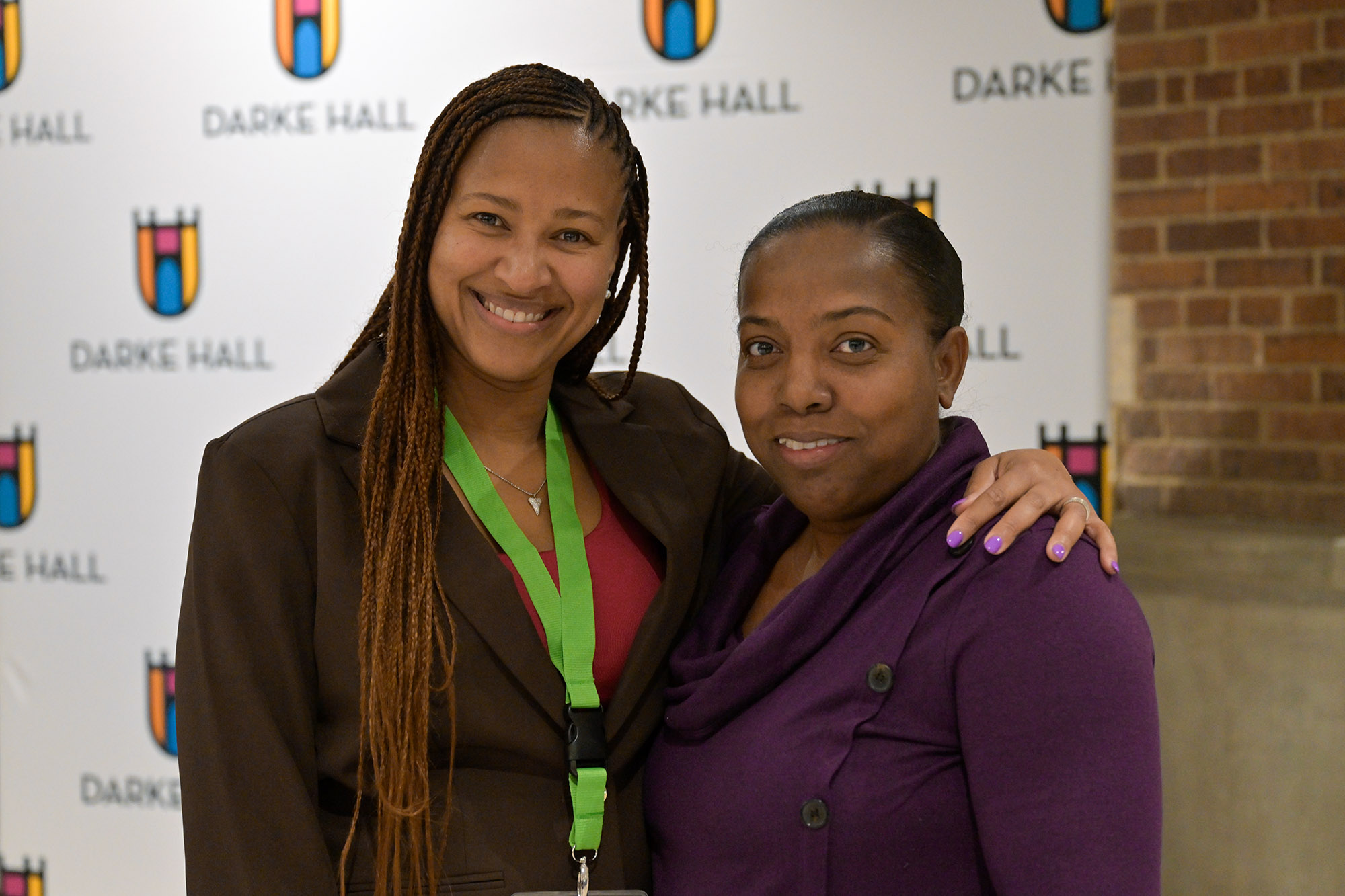
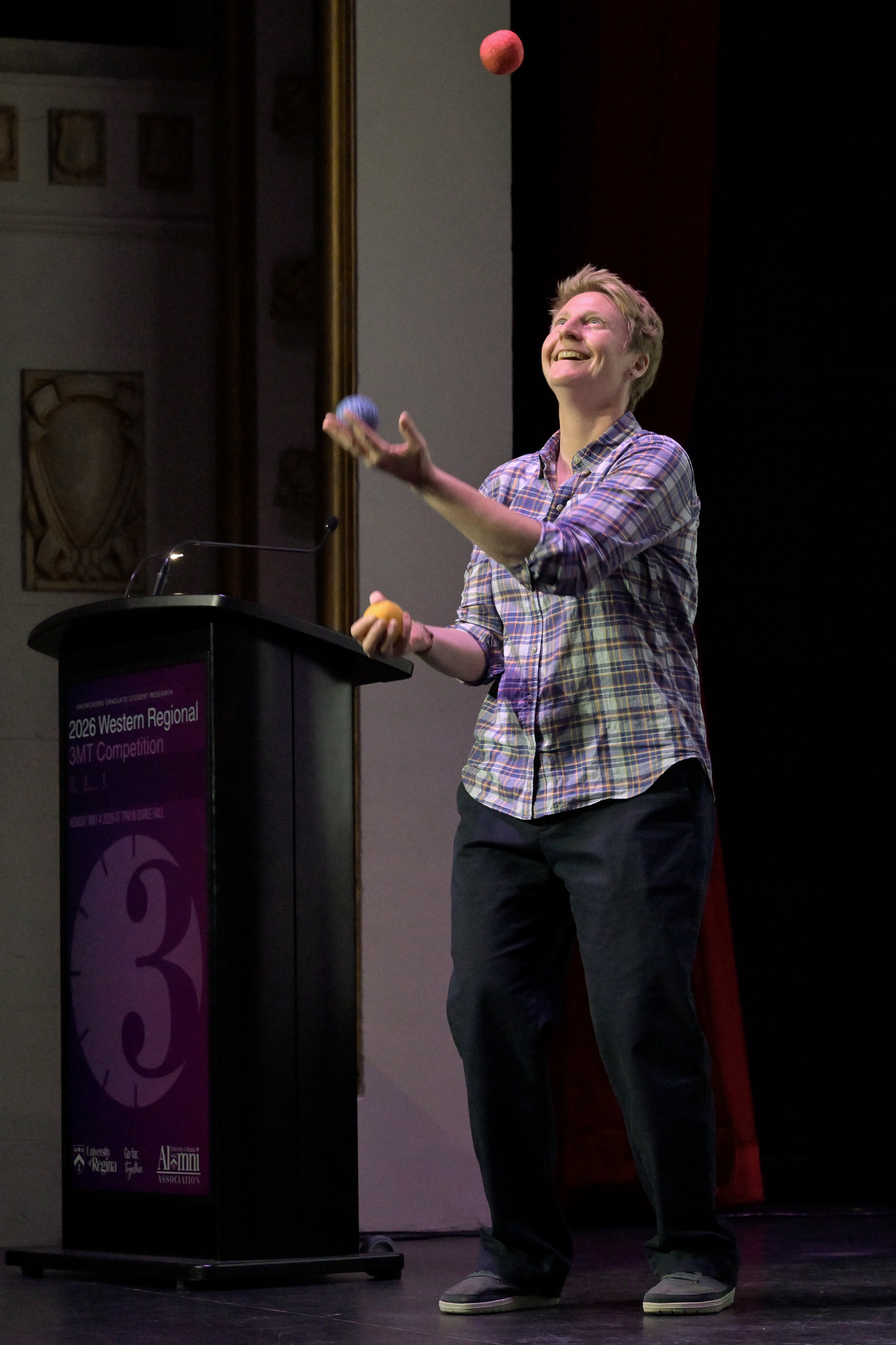
The University of Regina was proud to host the 2026 Western Regional 3MT Competition at Darke Hall, welcoming graduate student finalists from 17 universities across Western Canada for an evening of thoughtful, engaging, and inspiring research presentations.
In just three minutes, finalists shared their research with clarity, creativity, and confidence, highlighting the depth and diversity of graduate research taking place across the region.
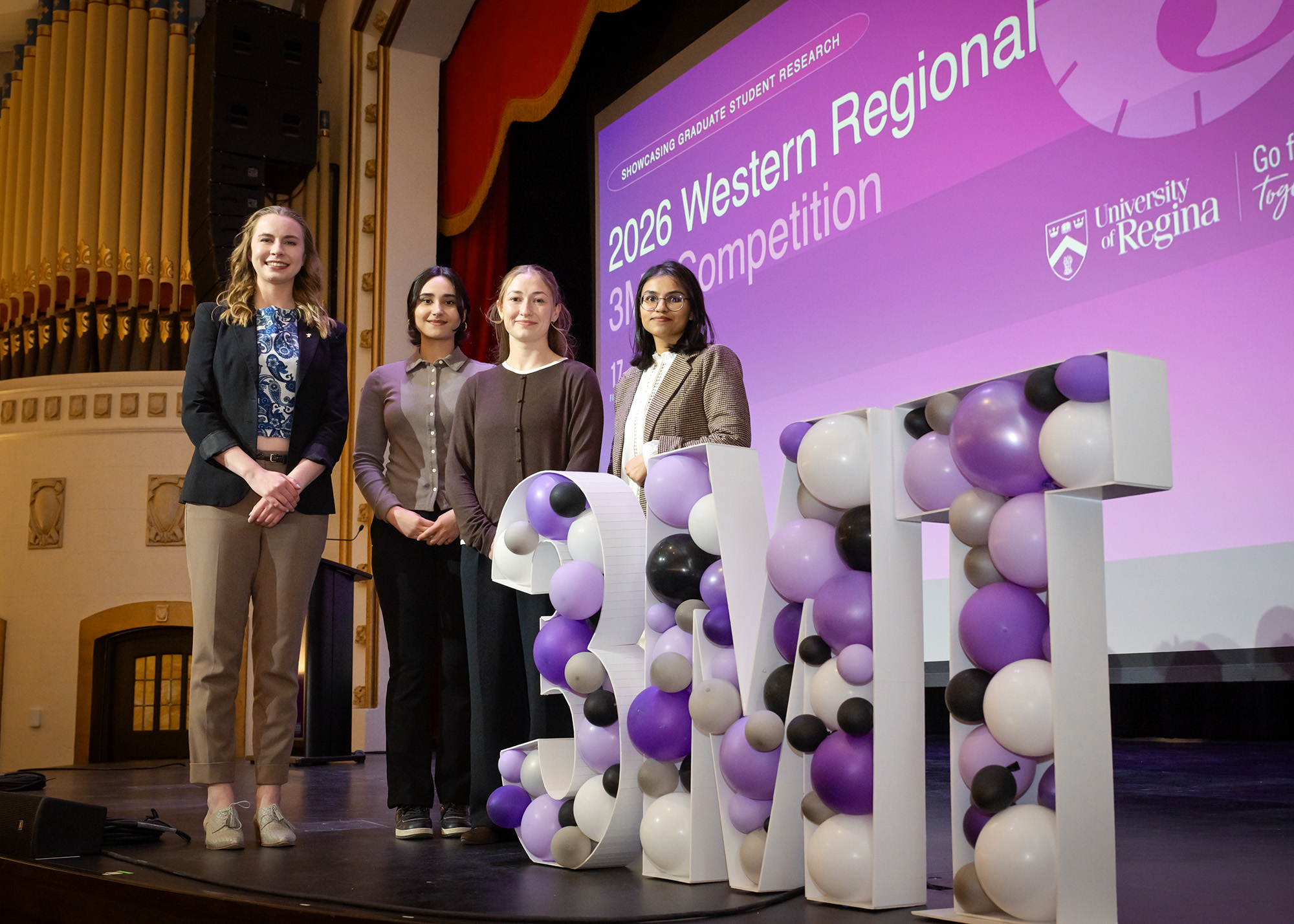
2026 Western Regional 3MT Winners
- First Place: Paula Brandt, University of Calgary
- Second Place: Sogand Golshahian, University of BC
- Third Place: Kira Peary, University of Victoria
- People’s Choice Award: Umme Sabrina Haque, University of Alberta
We extend our congratulations to all finalists for the outstanding work and care they brought to their presentations. The evening was a powerful reminder of the importance of graduate research and the impact of sharing that work beyond academic spaces.
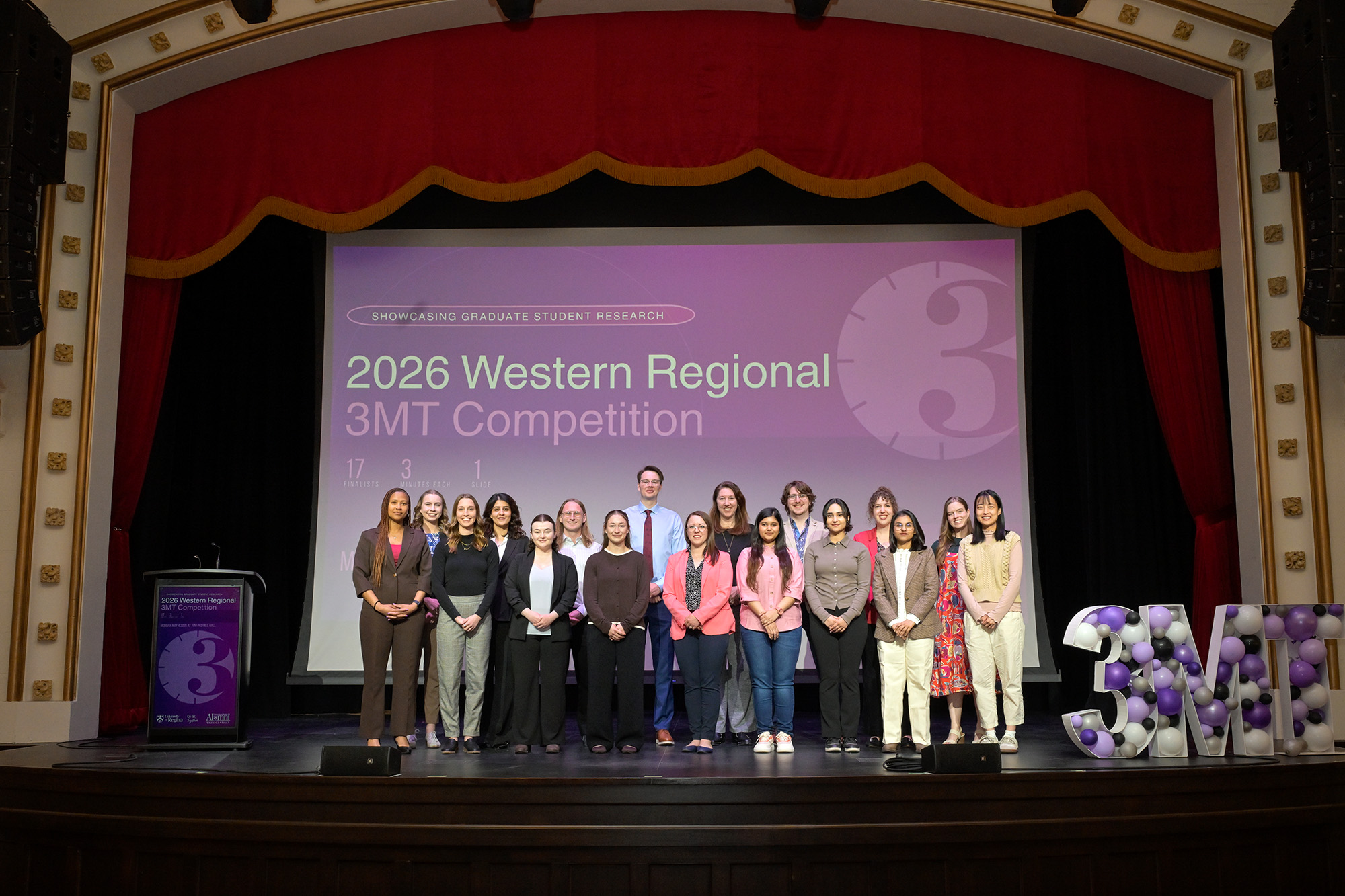
Thank you as well to our sponsors, our judges, participating universities, audience members, and community supporters who helped make the event such a memorable success.
Missed the competition or want to watch again? View the livestream here.
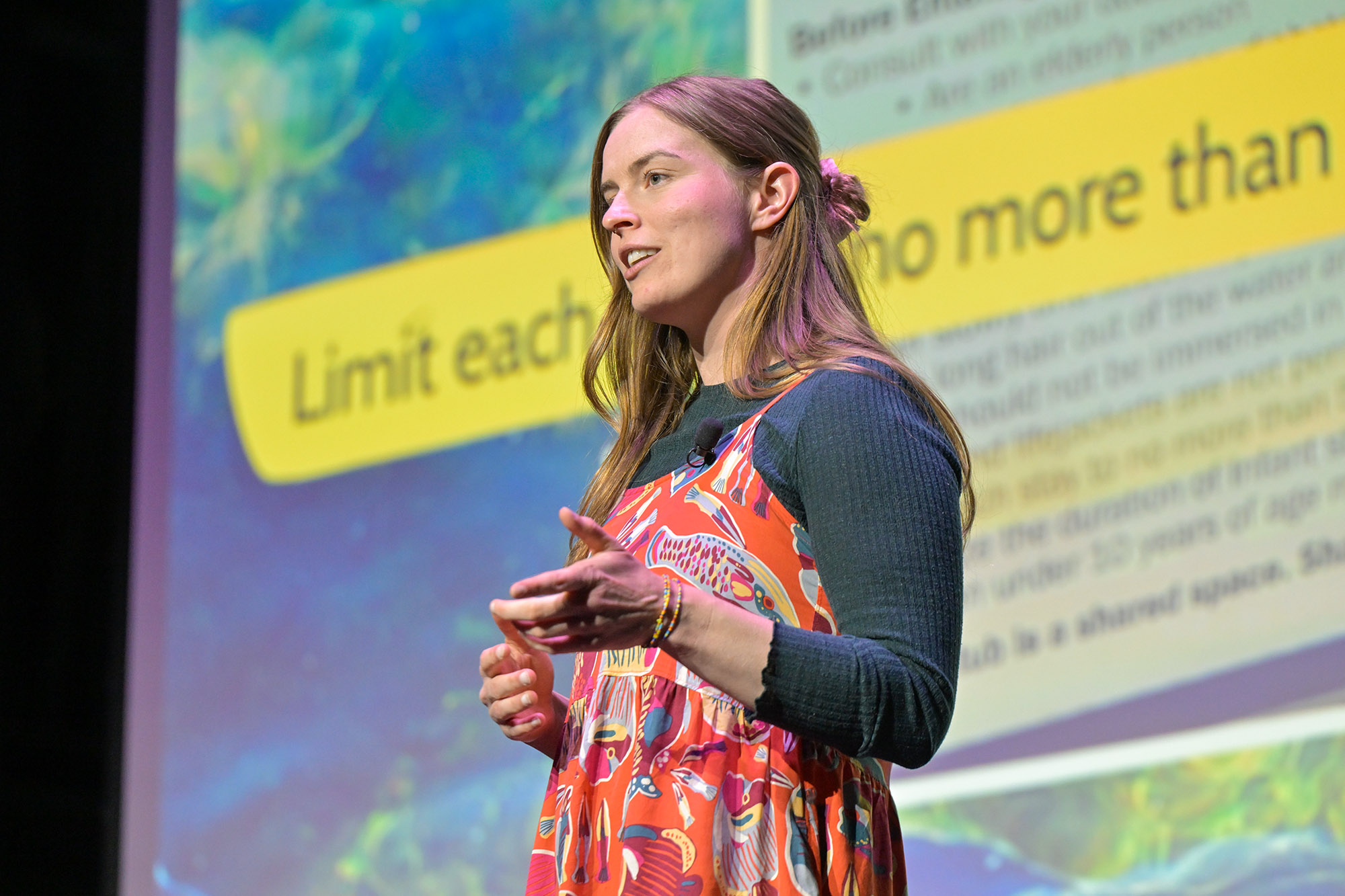
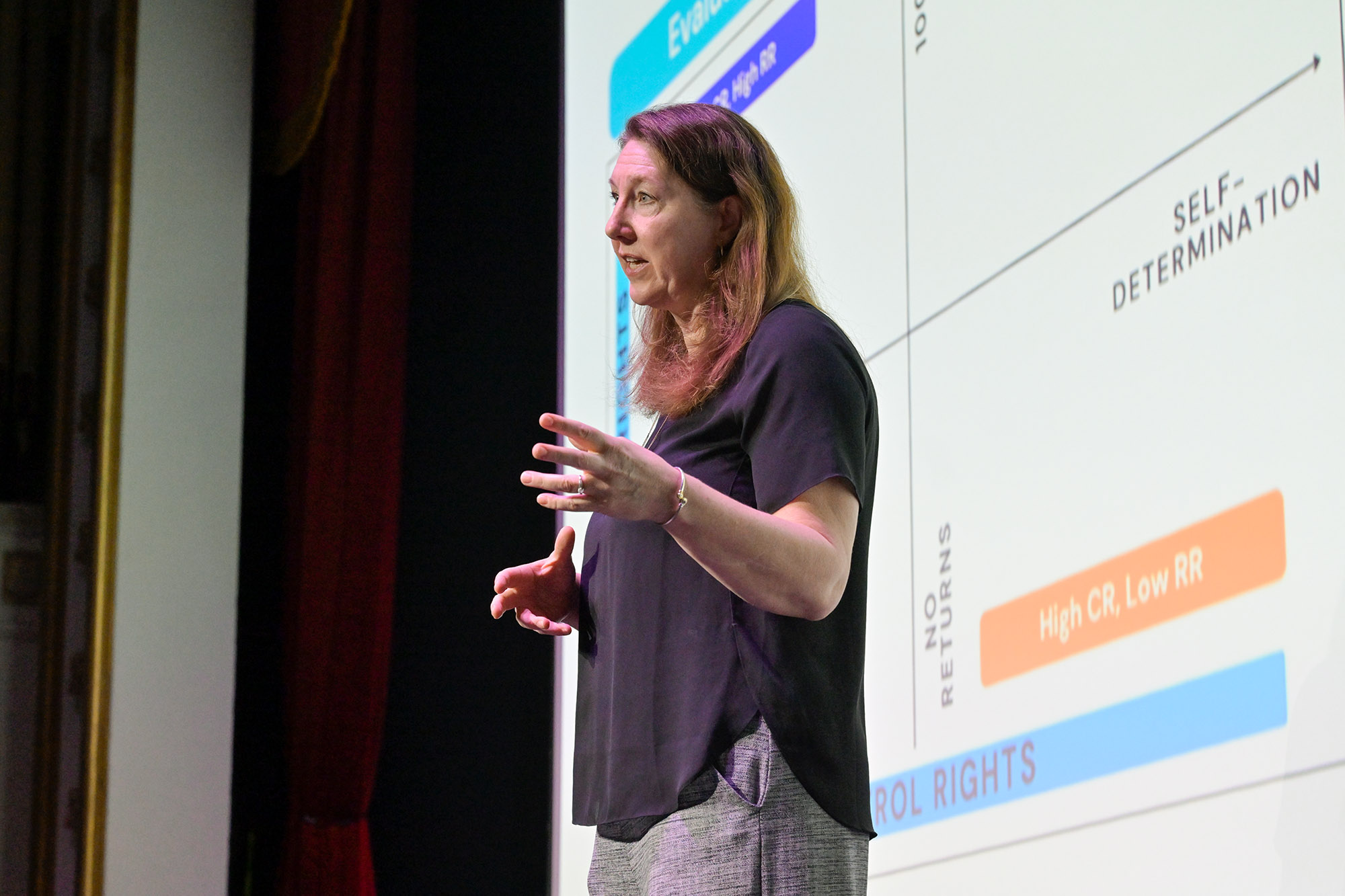
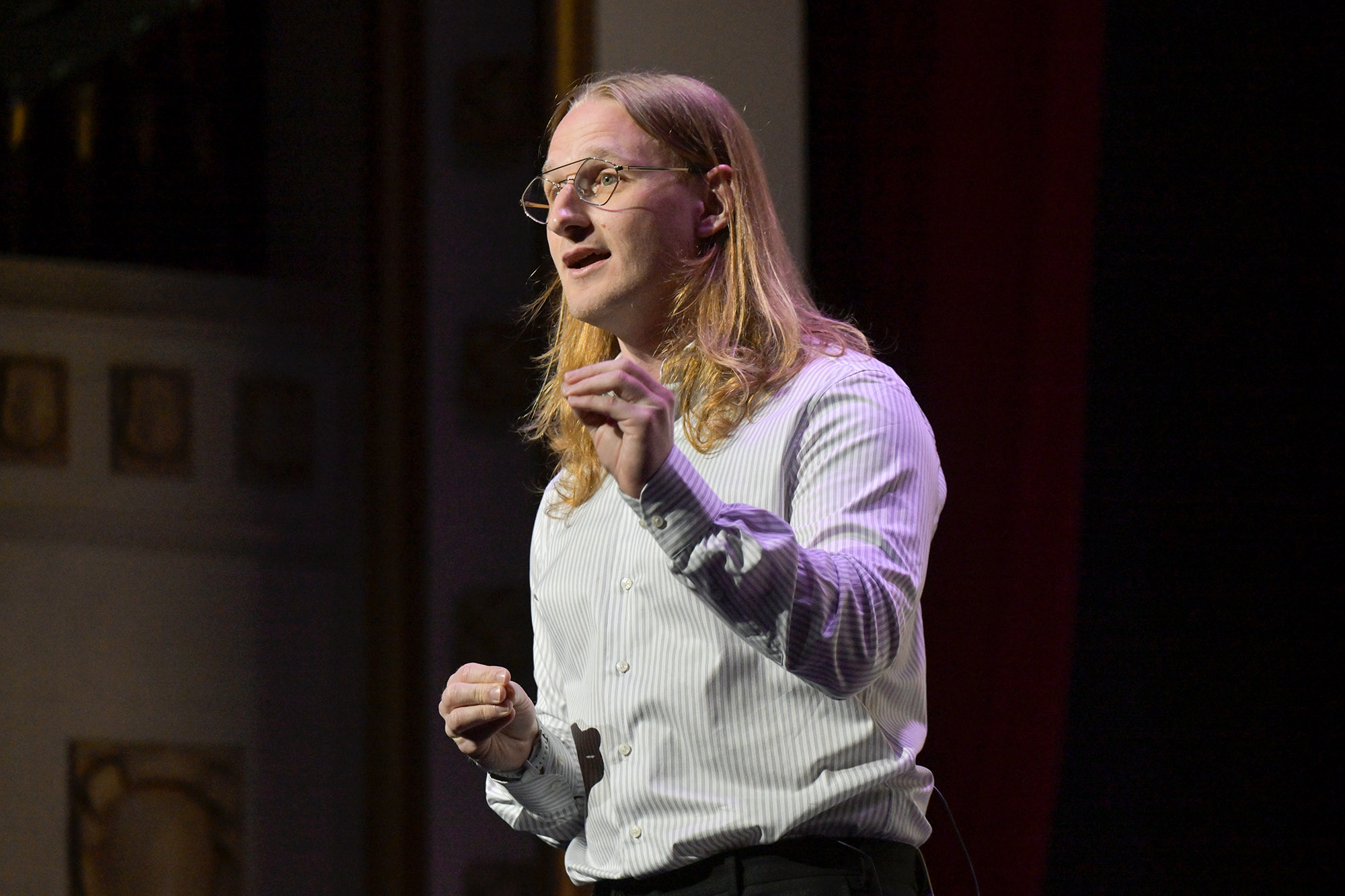
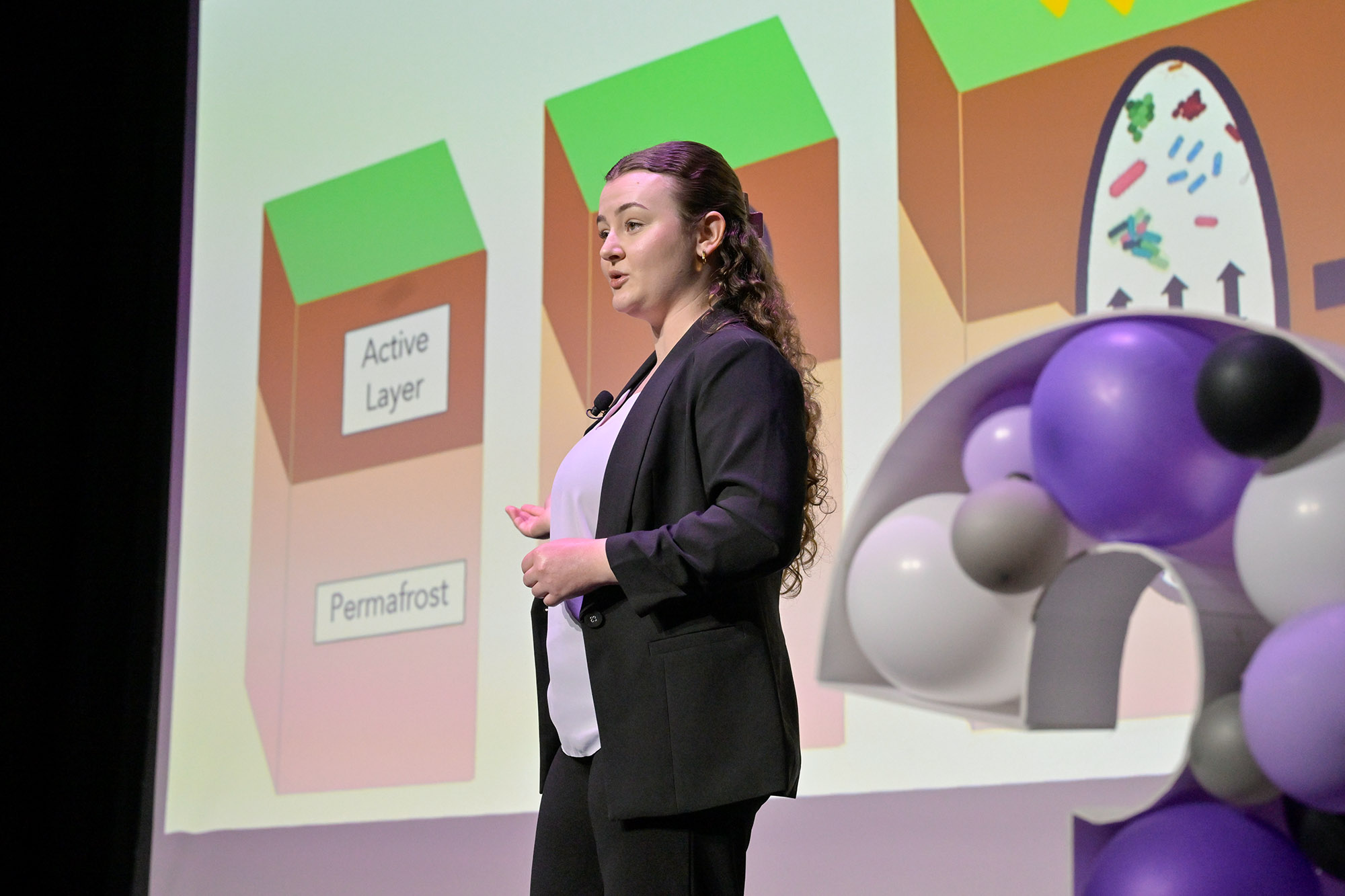
2026 Western Regional 3MT Competition
The University of Regina is proud to host the Western Regional 3MT® Competition, bringing together some of the most engaging and accomplished graduate student researchers from across Western Canada for one unforgettable evening.
This is more than a competition—it’s a chance to experience research in a way that is clear, accessible, and genuinely compelling. In just three minutes, each competitor will take a complex idea and turn it into a story that connects, challenges, and sparks curiosity, offering a unique window into the work graduate students are doing to better understand our world and contribute to their fields and communities.
Events like 3MT® highlight not only the depth and diversity of graduate research, but also the importance of being able to share that work beyond academic spaces. It’s an opportunity to see how students are developing confidence, communication skills, and new ways of thinking about how their research reaches others. Whether you are a student, faculty member, community partner, or simply someone interested in learning something new, this event offers a welcoming space to listen, learn, and be inspired.
Finalists will be competing for $3,000 in prizes, as well as the opportunity to advance to the Canadian National 3MT competition.
- First place: $1,500
- Second place: $750
- Third place: $500
- People's Choice: $250
We invite you to join us on Monday, May 4 at 7:00 p.m. at Darke Hall, or to take part from wherever you are through the livestream*. Online viewers will also have the opportunity to vote for the People’s Choice Award, making you part of the experience as these students take the stage and share their work.
- Livestream link will be available on the event date.
Reserve your free ticket here.
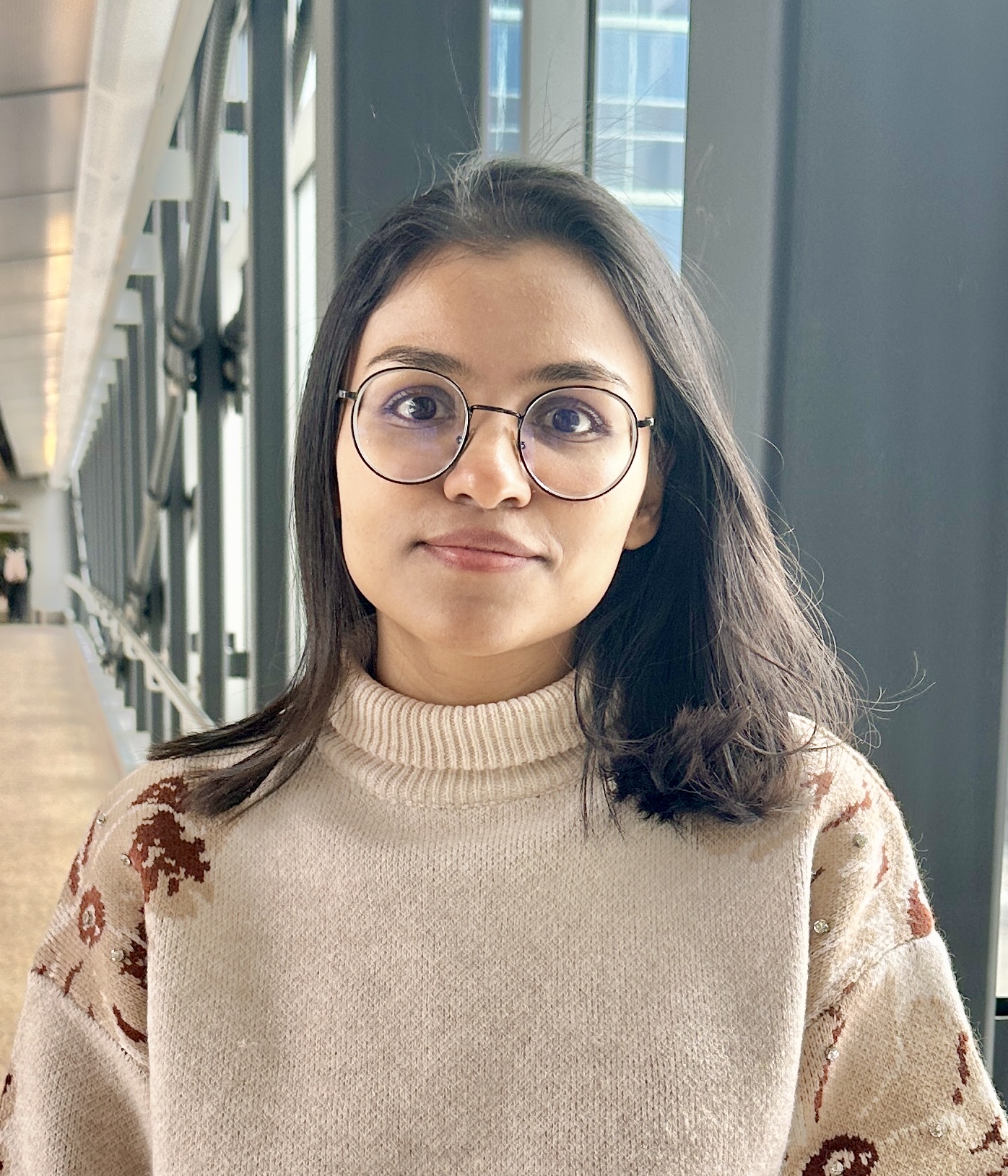 Umme Sabrina Haque
From University of Alberta - Neuroscience and Mental Health Institute, Faculty of Medicine & Dentistry, University of Alberta
Supervisor: Dr. Toshifumi Yokota
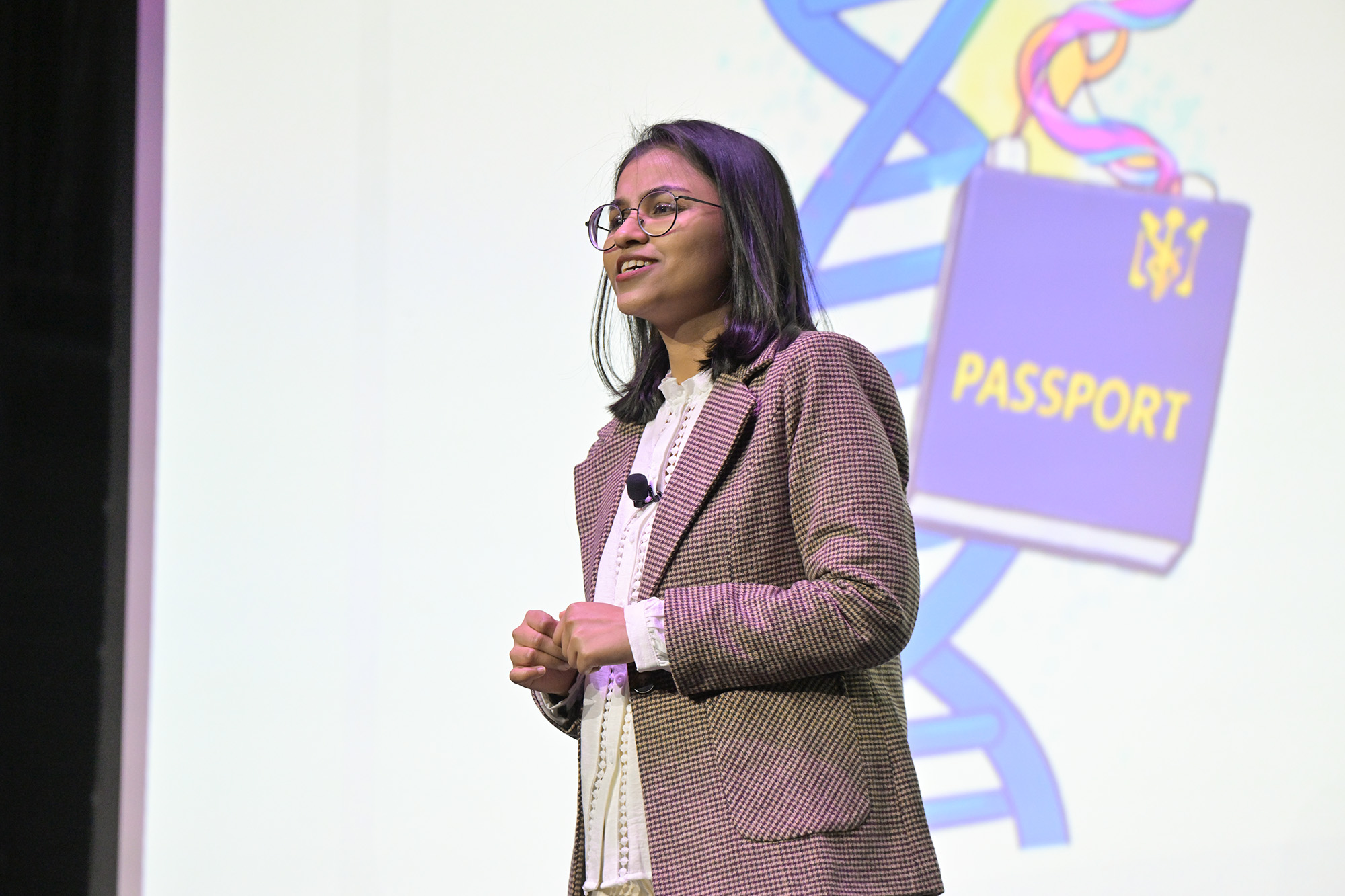
A Cure with a Passport
Spinal muscular atrophy (SMA) is a severe genetic disorder characterized by progressive muscle weakness and multisystem involvement, and in its most severe forms, often leads to death within the first year of life. My research focuses on developing a non-invasive, whole-body therapeutic strategy using a Phosphorodiamidate Morpholino Oligomer (PMO)–based antisense oligonucleotide (ASO) combined with a small delivery peptide, DG9. This approach is designed to enhance systemic delivery, enabling the therapy to effectively reach both central and peripheral tissues affected by the disease. With promising preclinical results demonstrating significant improvements in survival, motor function, and overall health, this research highlights the potential for more accessible, effective, and comprehensive treatment approaches for patients living with SMA.
Umme Sabrina Haque is a PhD candidate in Neuroscience and Mental Health Institute at the University of Alberta, working under the supervision of Dr. Toshifumi Yokota. Her research focuses on developing antisense oligonucleotide– and CRISPR/Cas-based therapeutic strategies for neuromuscular disorders, including Spinal Muscular Atrophy, Duchenne Muscular Dystrophy, and Giant Axonal Neuropathy. She has contributed to multiple first-author and collaborative publications in leading journals and has presented her work at international conferences. Prior to her doctoral studies, she completed her MSc in Biochemistry and Molecular Biology at the University of Dhaka, Bangladesh, where she applied genome editing technologies to improve crop resilience under saline conditions. Her research excellence has been recognized through numerous competitive awards, including the WCHRI Graduate Studentship, Alberta Graduate Excellence Scholarship, Spinal Muscular Atrophy Studentship, and multiple research and presentation awards at national and international conferences. She is also the 2026 University of Alberta 3 Minute Thesis (3MT®) Champion.
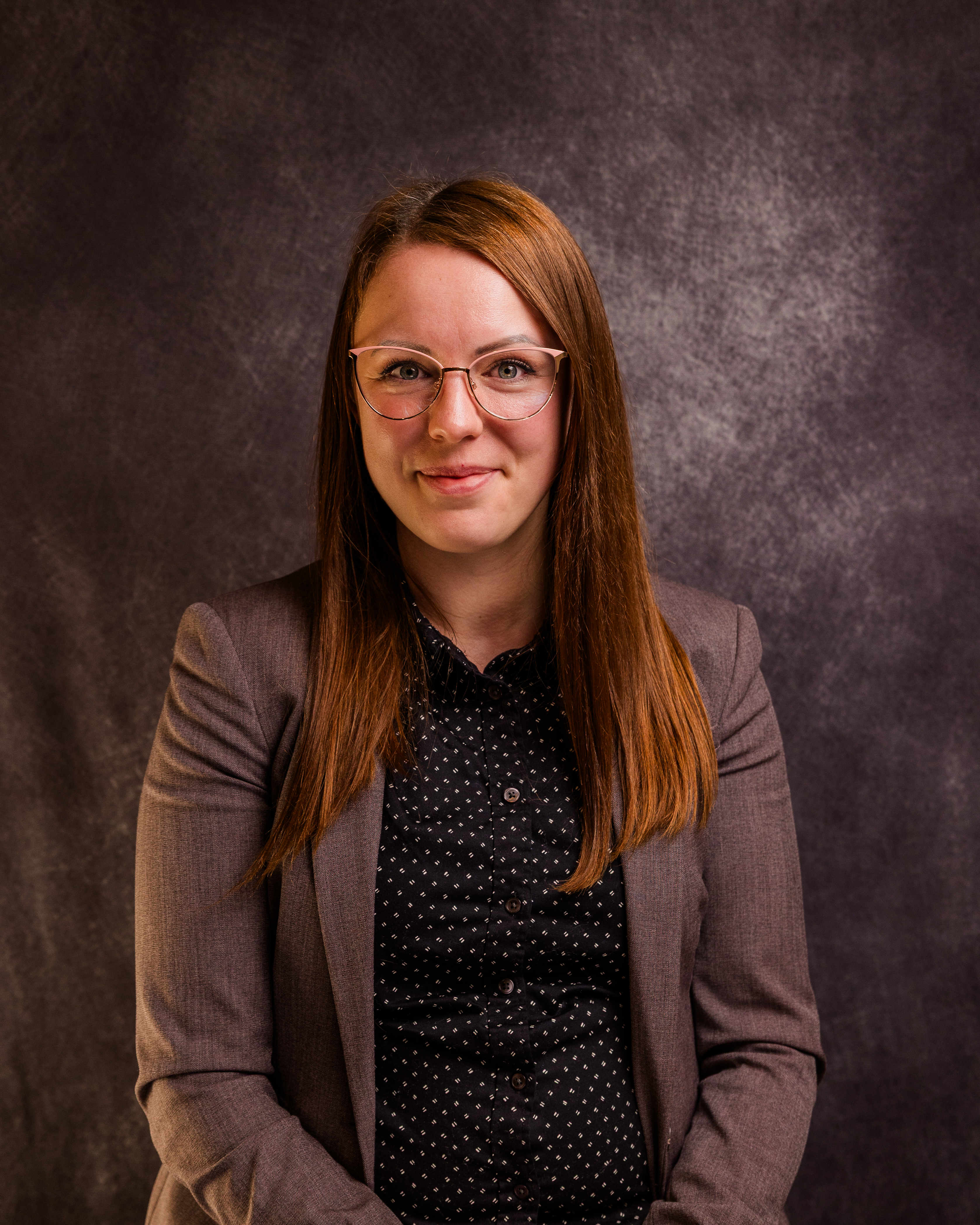 Brittany Arora
From Athabasca University - Faculty of Health Disciplines
Supervisor: Dr. Salima Hemani
Interventions to Increase Cervical Cancer Screening in Canada
Despite the Canadian goal of eliminating cervical cancer by 2040, Papanicolaou (pap) testing rates continue to decline nationally. A literature review was conducted of English-language scholarly articles from medical, science and nursing databases to address: What is the impact of mailed or electronic reminders on cervical cancer screening (CCS) rates among Canadian women aged 25-69, in comparison to women who do not receive reminders? Four included articles were critically appraised, with findings demonstrating minimal positive effect on CCS rates, therefore reminder-based interventions are not recommended as a main action for addressing CCS trends. Based on what was discovered, offering traditional pap testing, self-sampling, or urine-collection as a personal choice of CCS method to women over a three-year duration is proposed as the alternative, evidence-based intervention with proven efficacy for increasing CCS rates. Practice implications due to barriers experienced by women and healthcare providers regarding CCS, weaknesses with screening option implementation, and mitigation strategies will be discussed. This proposed intervention is tailored to the local context of Alberta.
Brittany Arora is a Calgary-based Master of Nursing - Nurse Practitioner student at Athabasca University, on track to graduate in August 2027. She is also a proud University of Alberta alumna, graduating from the BScN Honors program in 2017. Brittany has a diverse clinical background after nearly a decade of being a Registered Nurse. While treating patients in hospital settings, she recognized a profound need to shift focus from acute management to health promotion and disease prevention. Brittany’s current research focuses on revolutionizing cervical cancer screening. To simplify cancer screening and dismantle barriers, she proposes offering additional choices of mailed cancer screening kits in addition to standard pap testing. Brittany is dedicated to advancing nursing practice through accessible, patient-centered solutions that meet women exactly where they are.
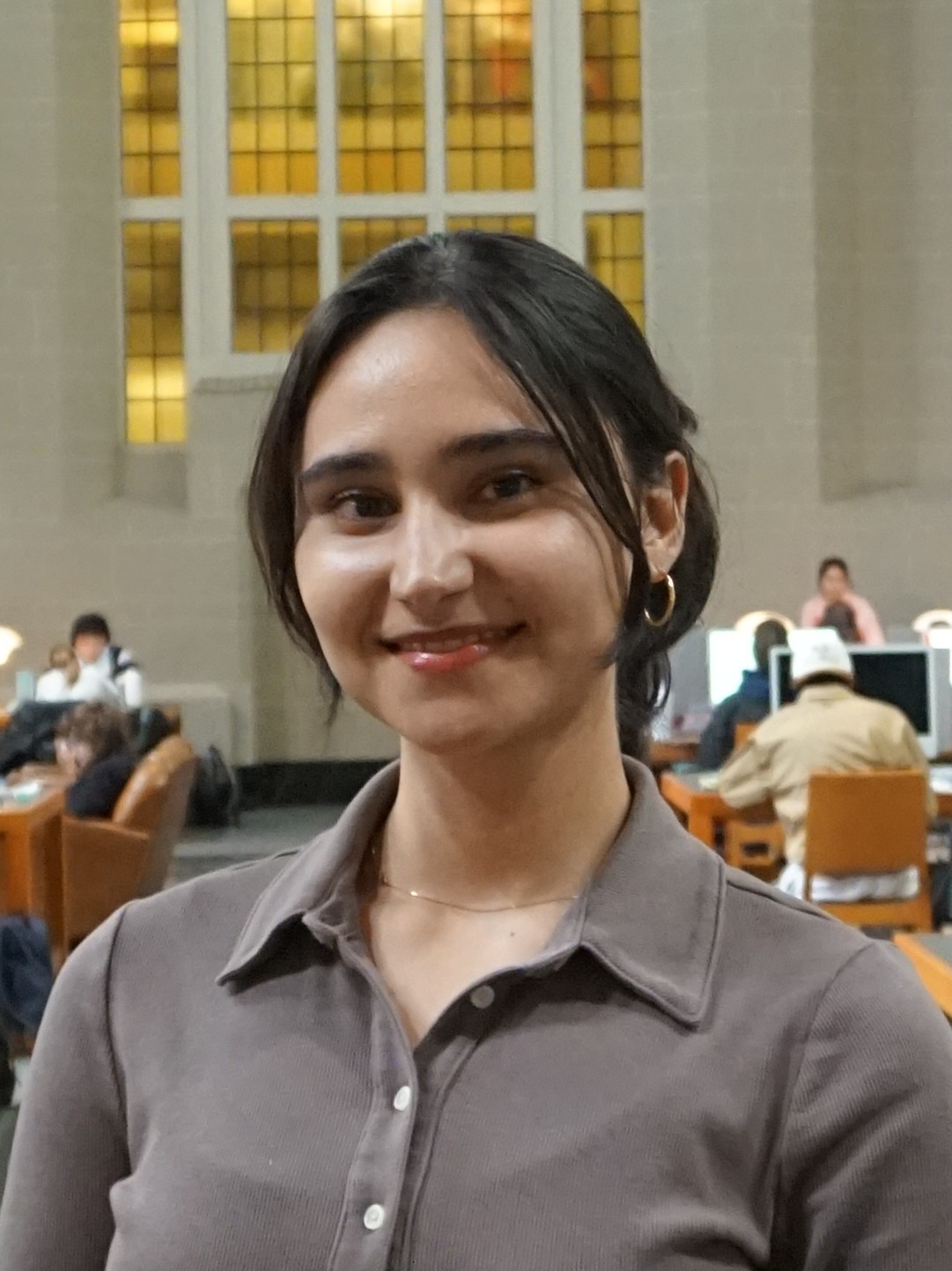 Sogand Golshahian
From University of British Columbia - Faculty of Applied Science, Department of Biomedical Engineering
Supervisor: Dr. Kelly McNagny
The Heart Disease You've Never Heard Of; and the Blood Test That Could Stop It
Millions of people worldwide are infected with Chagas disease, a largely silent infection that can damage the heart for decades before symptoms appear. While most individuals remain healthy, nearly one-third develop life-threatening cardiomyopathy, and medicine still cannot predict who is at risk. This research aims to uncover early immune signals in the blood that reveal disease progression long before irreversible damage occurs. Using 160 patient samples from Santa Cruz, Bolivia, immune activity is measured across 92 proteins and analyzed with computational models to distinguish healthy individuals from those at different stages of Chagas cardiomyopathy. By identifying blood-based biomarkers of early risk, this work supports the development of accessible, low-cost screening tools, especially in under-resourced regions where advanced imaging is not feasible. Ultimately, this approach shifts medicine from reacting to late-stage disease toward predicting and preventing it, with implications beyond Chagas to other chronic conditions.
Sogand is a first-year Master’s student in Biomedical Engineering at the University of British Columbia. Her interests focus on early disease diagnosis and prognosis, particularly how advanced computational approaches can uncover patterns and insights that are not easily captured through standard analyses. She is motivated by the potential to understand disease progression better and contribute to more proactive approaches in healthcare. Beyond her research, Sogand is passionate about teaching, mentorship, and outreach. She enjoys supporting students in exploring biomedical engineering and making the field feel more approachable and engaging. She is also involved in organizing events and conferences within the biomedical engineering community, helping to bring people together and foster collaboration.
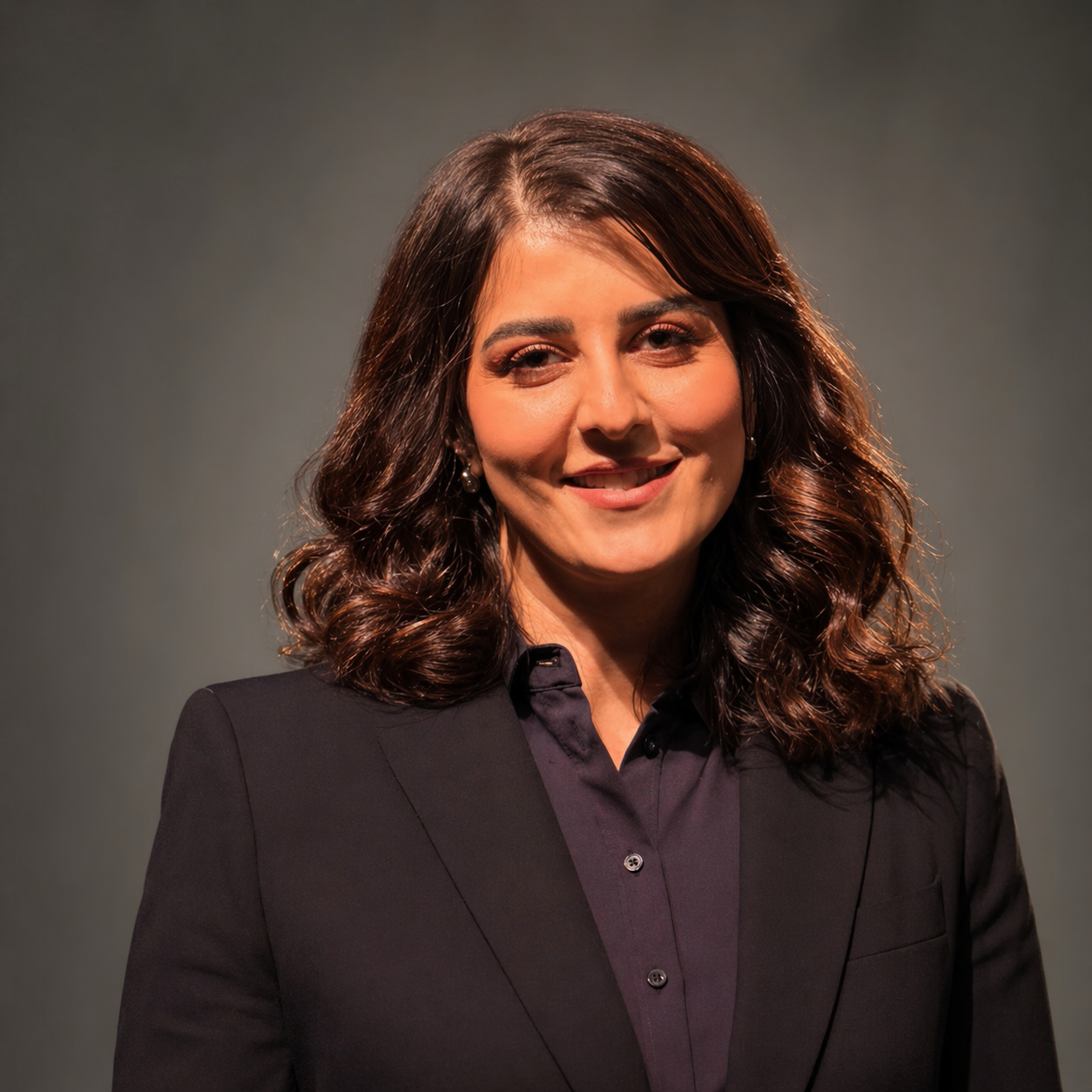 Ladan Tazik
From University of British Columbia, Okanagan - Irving K. Barber Faculty of Science
Supervisor: Dr. John Braun, Dr. Mohamed Shehata
How Will Wildfires Spread? Using Data to Protect Communities
I’m a PhD candidate in computer science working at the intersection of AI and wildfire science. My research focuses on building models to assess wildfire risk and predict how wildfires spread by learning from large-scale satellite and environmental data.
Ladan Tazik is a PhD candidate in Computer Science at the University of British Columbia Okanagan, where she studies wildfire behavior through the lens of data science. Her research focuses on developing probabilistic models that predict how wildfires spread using satellite imagery, weather data, and environmental factors. By quantifying uncertainty, her work aims to support more informed decision-making during wildfire emergencies such as resource allocation and evacuation planning. Ladan’s interdisciplinary approach bridges computer science, remote sensing, and wildfire science. She is also passionate about science communication and has experience teaching and mentoring students in applied machine learning. Through her research, she hopes to contribute to safer, more resilient communities in the face of increasing wildfire risk.
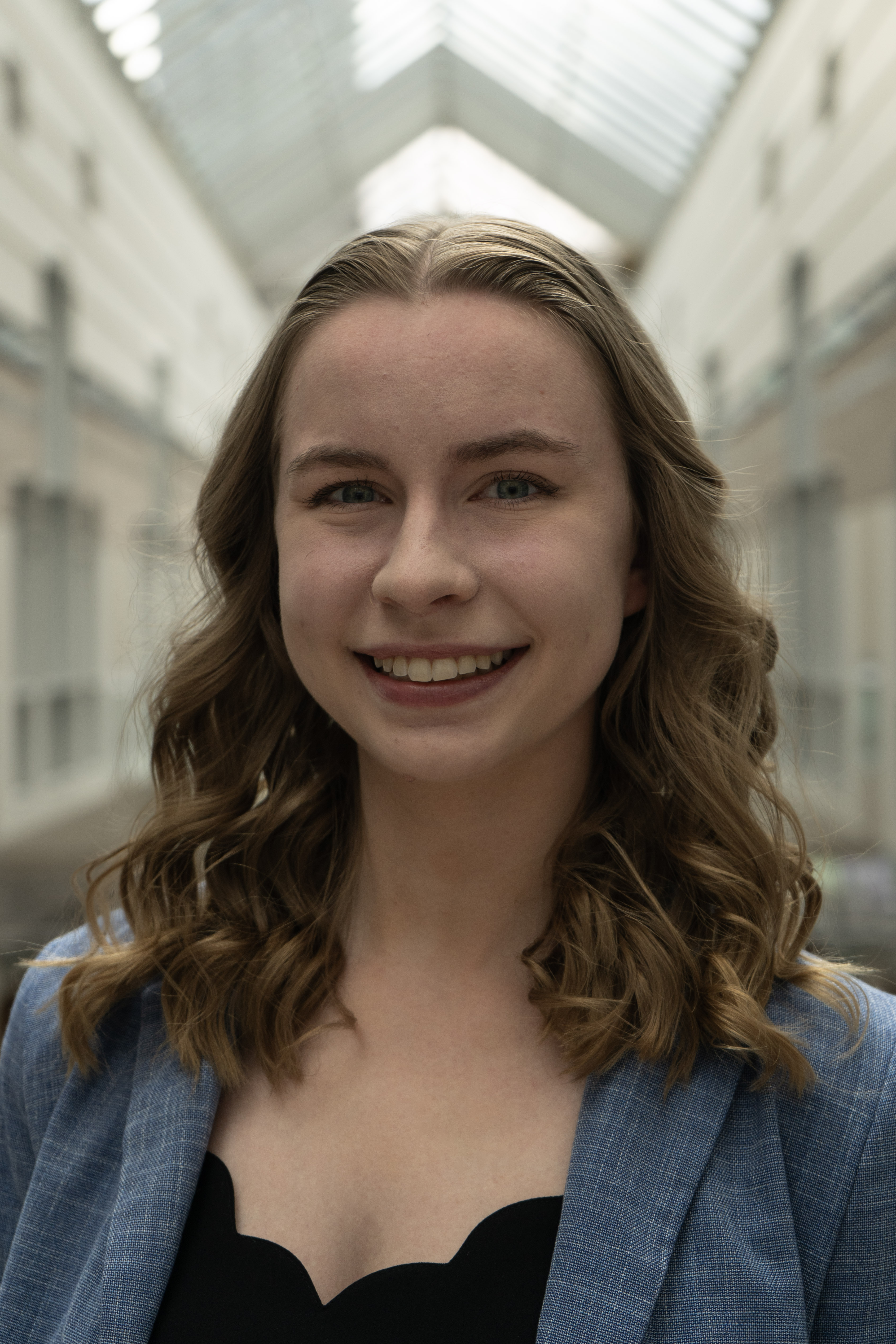 Paula Brandt
From University of Calgary - Cumming School of Medicine
Supervisor: Dr. Peter Stys
Islet Amyloid Polypeptide: The Biological Velcro Creating Sticky Situations in Type 2 Diabetes
My research focuses on a protein called islet amyloid polypeptide (IAPP). Properly folded IAPP helps regulate blood sugar, but in type 2 diabetes IAPP misfolds and exposes sticky regions that are usually hidden- almost like biological Velcro. While type 2 diabetes is often thought of as a blood sugar disorder, most patients actually die from clot-related complications like heart attacks and strokes. I study whether misfolded, “sticky” IAPP plays a role in that risk. To do this I generate misfolded IAPP, add it to blood products, and interrogate the resulting clots using fluorescence spectroscopy and biochemical techniques. I’ve found that clots formed in the presence of IAPP are structurally different and more resistant to breakdown than normal clots. This suggests IAPP may contribute to the formation of clots that the body has trouble clearing, helping explain the increased risk of cardiovascular complications in type 2 diabetics.
Paula Brandt is a PhD candidate in the Medical Sciences program at the University of Calgary. With an undergraduate background in physics, her research sits at the intersection of the physical and medical sciences, where she applies techniques such as fluorescence spectroscopy to study protein misfolding in type 2 diabetes. Her work explores how structural changes in proteins may contribute to diabetic complications across multiple organs including the pancreas, blood, and brain. Paula’s research and science communication efforts have been recognized at various levels from local to national, having been the recipient of two awards from the Canadian Institutes of Health Research. She is passionate about sharing her path to research with the next generation of scientists and is an advocate for making science accessible to all. Outside the lab she enjoys travelling, exploring the Rocky Mountains, and spending time with her cat and family dog.
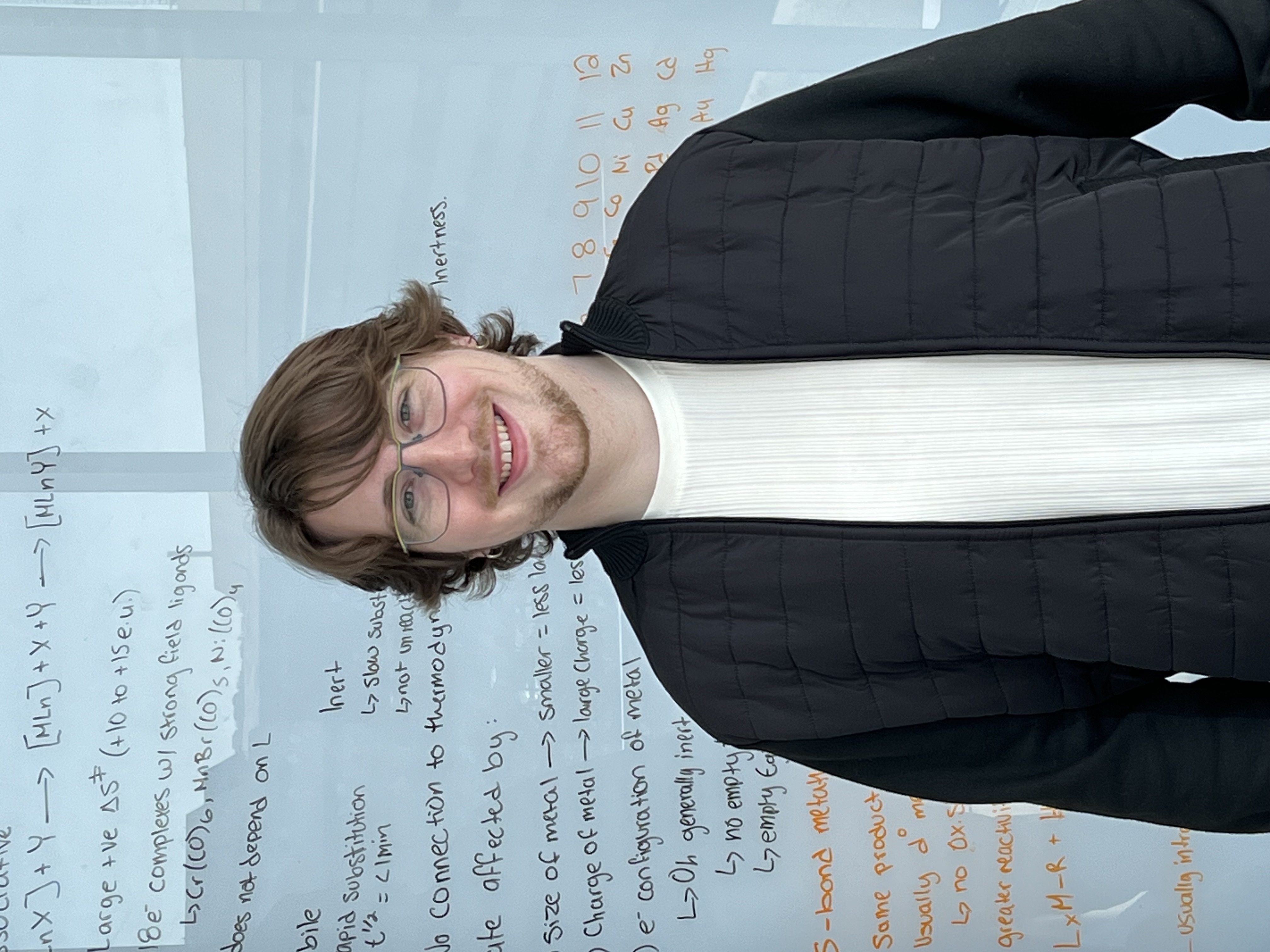 Christopher Beaton
From University of Lethbridge - Neuroscience
Supervisor: Dr. Robert Sutherland
The Rhythm of Decline: Using Ultradian Rhythms to Detect and Stop Alzheimer’s
My research focuses on finding ways to detect Alzheimer's disease earlier. I am using mice genetically engineered with human Alzheimer's genes to observe how the disease affects their ultradian rhythms. These models develop Alzheimer’s in a way that mimics its progression in humans. Using a new AI system we are developing in my lab, I will monitor these mice over several months to analyze how their ultradian rhythms break down due to Alzheimer’s, as compared to how they naturally decline with age. The goal is to determine if certain internal rhythms begin to deteriorate before known symptoms appear. My next step will be to intervene by keeping the mice on a strict, healthy ultradian rhythm cycle to see if this promotes brain health and prevents the development of Alzheimer’s.
Christopher Beaton is a first-year master’s student in the faculty of Neuroscience at the University of Lethbridge. His research, under the mentorship of Dr. Robert Sutherland, focuses on new methods of detecting Alzheimer’s disease at an earlier stage. Growing up, Chris enjoyed playing hockey, but unfortunately incurred a number of concussions. Consequently, he was selected to participate in a neuroscience study on the recovery of concussions in children. His love of learning coupled with his participation in this study triggered his curiosity in the field of neuroscience and all things brain-related. In addition to his studies at the University of Lethbridge, Chris has been a volunteer at the Chinook Regional Hospital for the last 4 years, working in the hand clinic and in patient support roles. Chris’ guilty pleasure is a rousing game of Dungeons and Dragons with his friends and whilst he stated he is honoured to be picked to represent his university in the 3MT competition, he’s looking forward to getting home to see his cats.
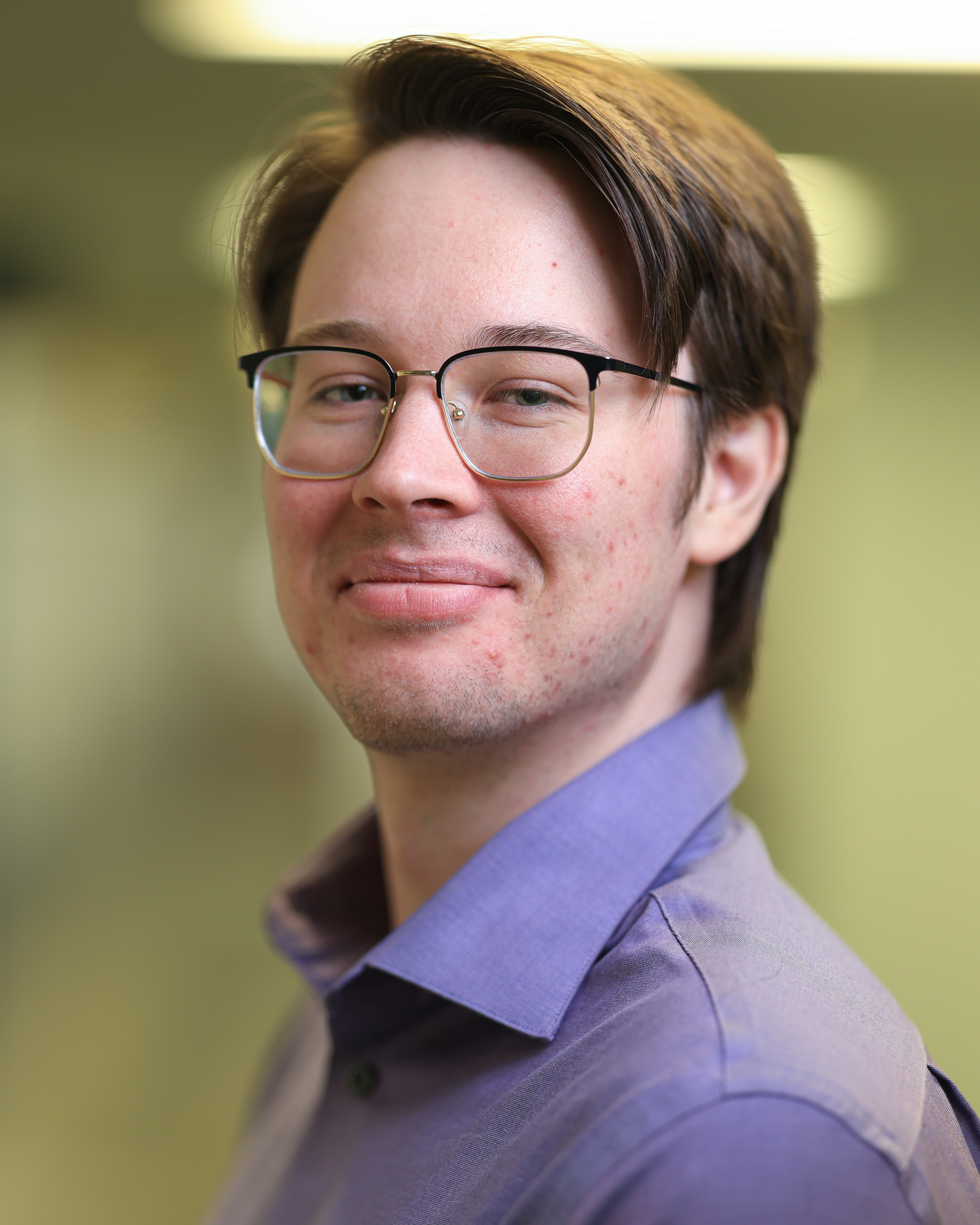 Quinton Murdock
From University of Manitoba - Medical Microbiology and Infectious Diseases
Supervisor: Dr. Aida Sivro
The HPV Forecast: Predicting Which HPV Infections Lead to Cancer
Although HPV causes nearly 100% of all cervical cancer cases, current screening methods offer limited prognostic value in determining whether an infection will persist and develop into malignancy. This gap leaves clinicians without reliable tools to accurately stratify patient risk and guide appropriate interventions. This study aims to address that gap by developing a droplet digital PCR assay capable of simultaneously quantifying multiple HPV viral targets in clinical specimens, including oncogenes E6 and E7, capsid gene L1, and regulator E2. Measuring these components and tracking how their ratios shift over time could reveal how active an infection is and whether it is integrating into host DNA, a key ontogenetic step. Using longitudinal samples from a high-risk cohort in Nairobi, Kenya, this study will model viral load dynamics over 18 months and associate them with HPV persistence and precancerous lesion development, ultimately enabling earlier and more precise identification of dangerous infections.
Quinton is a medical microbiology masters student, specializing in the development of a droplet digital PCR assay to quantify HPV viral load. His research focuses on understanding how viral dynamics can predict persistence and cervical cancer risk, driven by a deep fascination with the microscopic mechanisms that govern human health and disease. Quinton’s academic contributions have been recognized with the 2026 Sheu L. Lee Family Scholarship in Oncology Research and the 2024 Undergraduate Research Showcase Award. With a background in the University of Manitoba’s Science Co-op program, he aims to build a career dedicated to improving diagnostic methods and advancing our global understanding of infectious diseases.
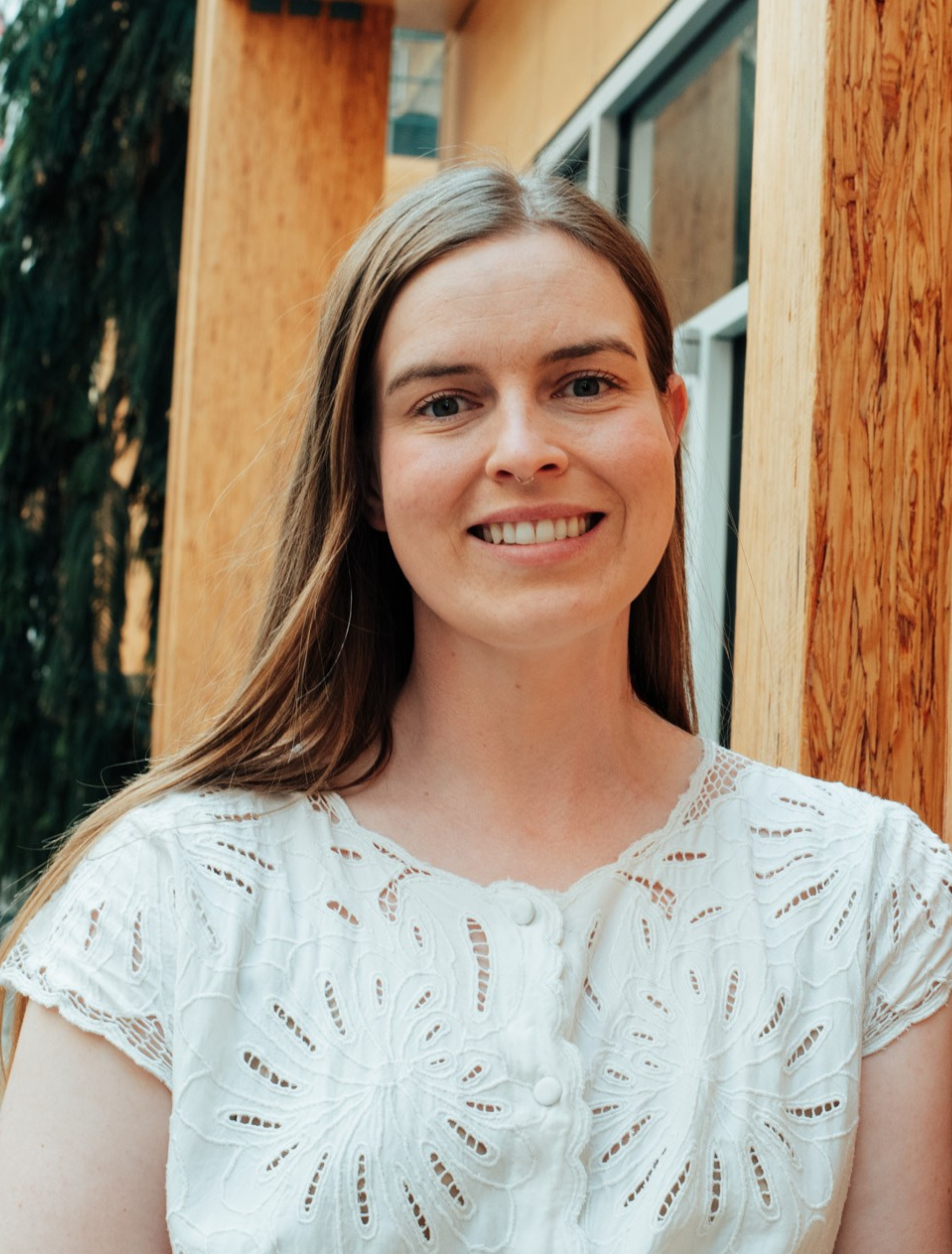 Kirsten Mathison
From University of Northern British Columbia
Supervisor: Dr. Eduardo Martins
Too Hot to Handle: Thermal Stress & Recovery
Kirsten Mathison's research investigates how heat waves will affect juvenile rainbow trout in the Nechako Watershed in Northern British Columbia, and whether thermal refuges support recovery from thermal stress. This summer, field experiments will generate parameters for Thermal Tolerance Landscapes (TTL), a framework that expresses survival probability as a continuous response to heat intensity and duration. TTL outputs will then inform experiments testing to what extent thermal refuges allow fish to recover from thermal stress. This information will help predict how extreme temperature events may impact rainbow trout populations, with the goal of informing future management decisions and supporting effective, targeted conservation efforts.
After graduating from University of Victoria with a BSc in Geography & Anthropology, Kirsten spent most of the last few years on the water or in the bush: studying Southern Resident Killer Whales in the Gulf Islands with Parks Canada; monitoring juvenile salmonids in the Broughton Archipelago; and tracking coastal wolves on the Sunshine Coast. She is a first-year Master's student in the Freshwater Fish Ecology Lab at the University of Northern British Columbia, supervised by Eduardo Martins, where their research focuses on how extreme temperature events impact freshwater fish populations.
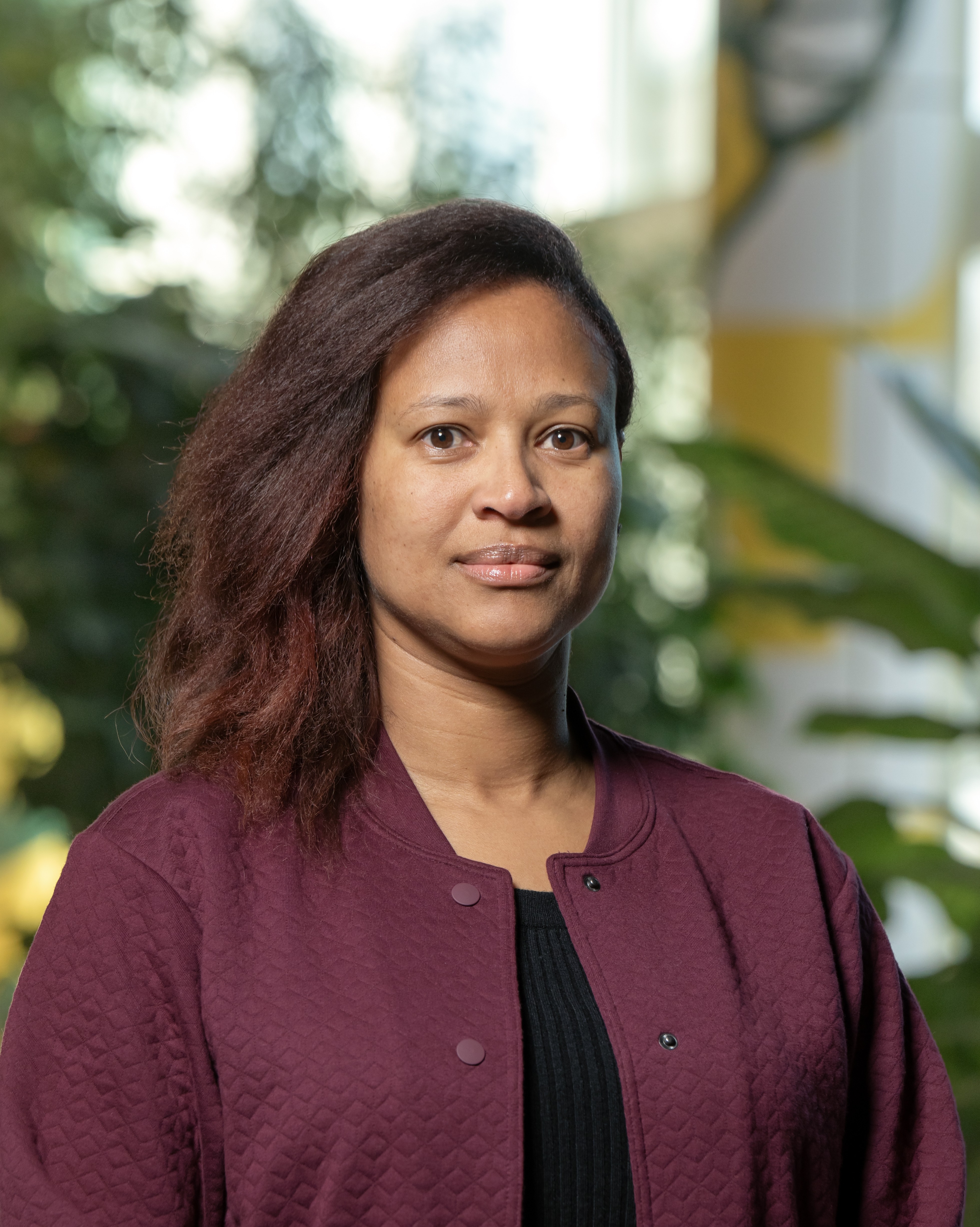 Kamogelo Amanda Matebekwane
From University of Regina - Education
Supervisor: Dr. Donna Swapp
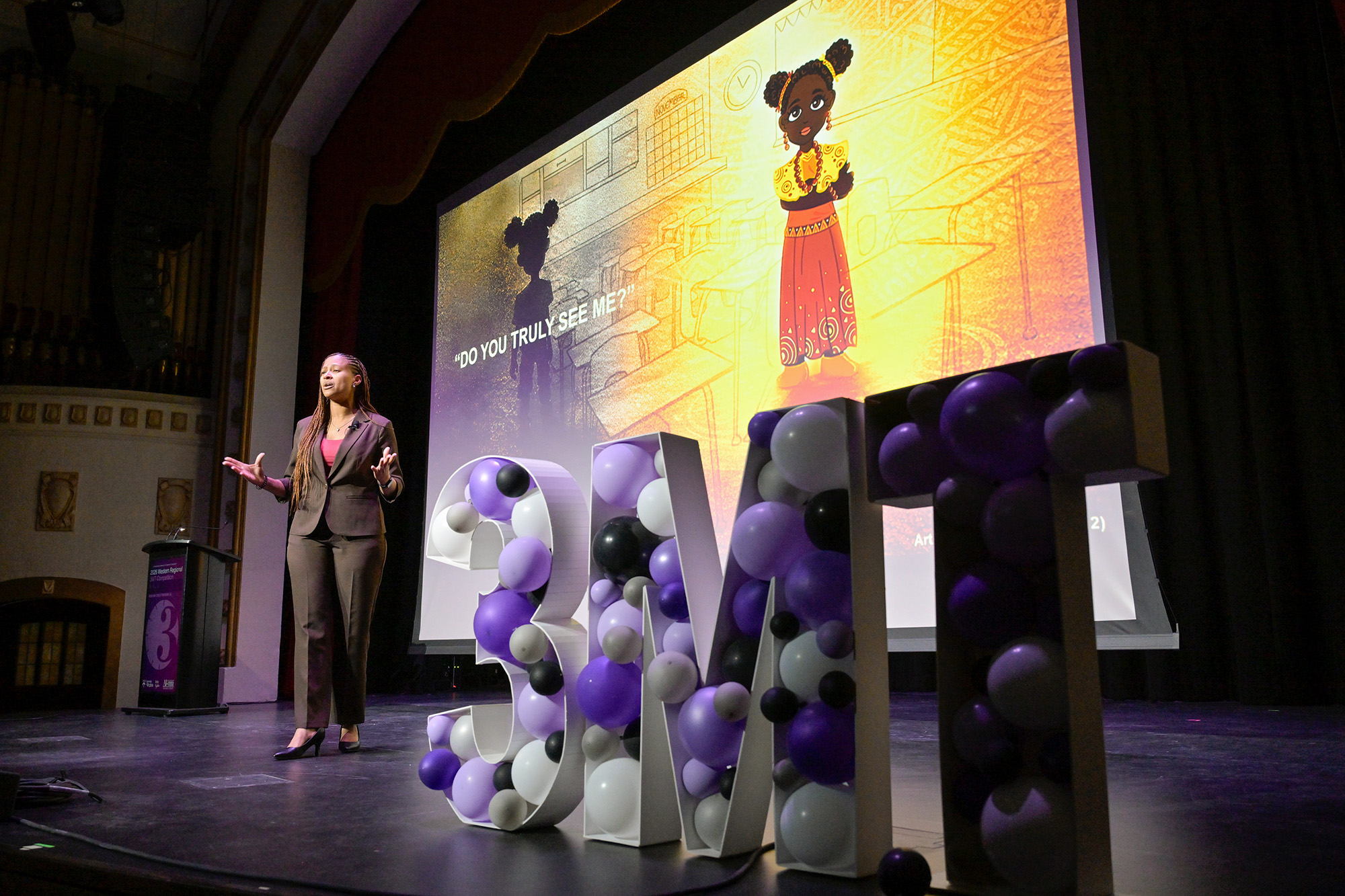
Present Yet Invisible: The Realities of African Children in Canadian Classrooms
My research focuses on the perspectives of African children in Canadian schools, posing an important question: how do they perceive themselves as they move through these environments? By engaging in conversations with children aged 6 to 11 at their homes, my study uncovers how school settings influence their identities and potential. Research findings show that many African children face racism from teachers and peers. Equally concerning is the absence of their cultures from classroom materials and practices, which leads children to suppress parts of themselves. These experiences contribute to feelings of invisibility and emotional exhaustion as children learn to hide aspects of their identities to fit dominant norms. My research underscores that truly seeing African children goes beyond inclusion—it is fundamental to achieving equity. It calls on educators to critically reflect on their practices and create spaces where all children are affirmed, visible, and valued.
I am a Black woman, mother, and critical researcher, born and raised in Botswana. I moved to Canada in 2017. I hold two master’s degrees in Education and am currently pursuing doctoral studies focused on social justice and inclusive early childhood education. When I’m not PhDing, I enjoy playing tennis, practising yoga, and spending time with my kiddos.
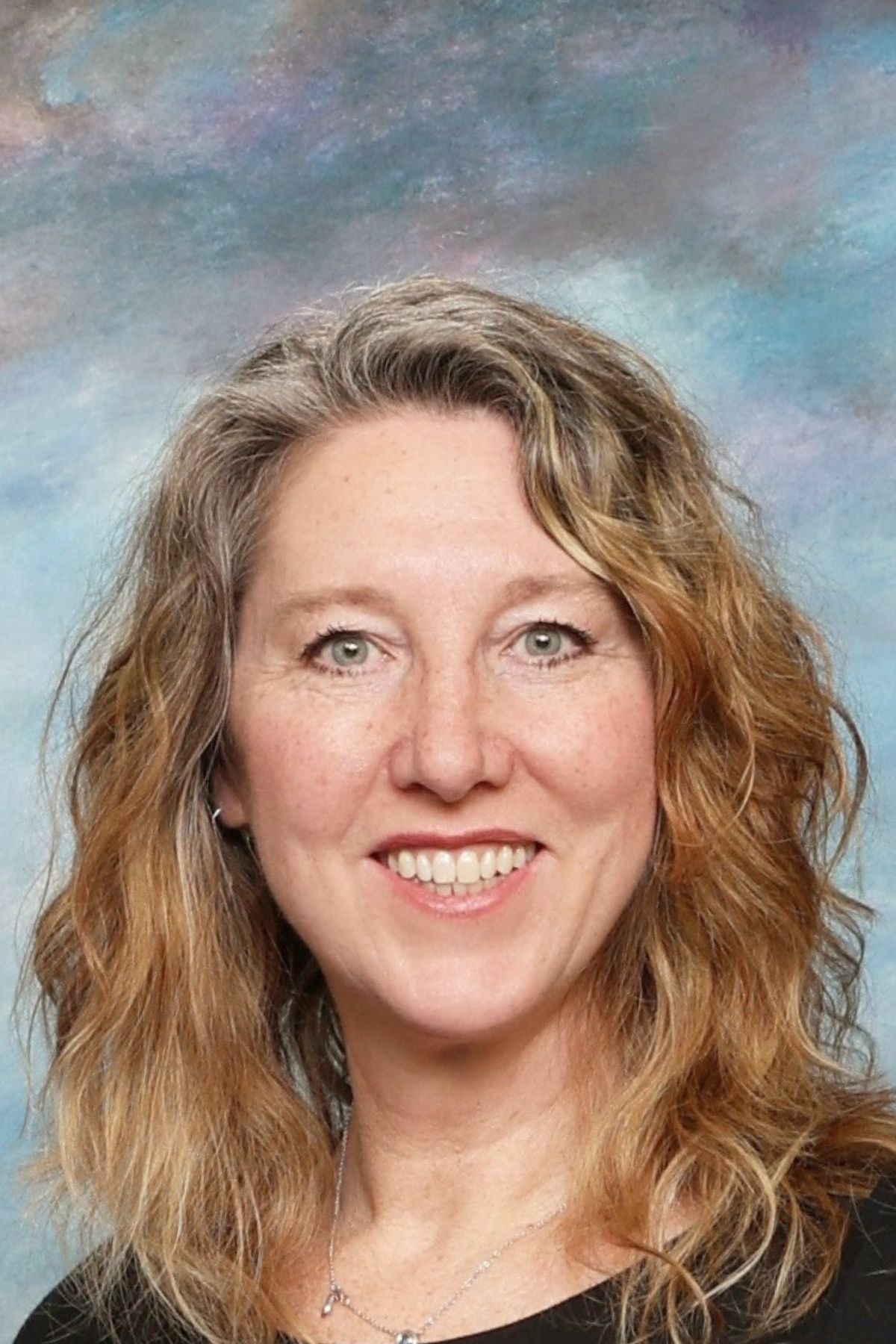 Hillary Samson
From Royal Roads University - Doctor of Business Administration
Supervisor: Dr. Julie MacArthur
The Influence of Workplace Democracy on Social Value Outcomes in Employee-Owned Businesses
As escalating income inequality and climate instability expose the limitations of shareholder capitalism, calls for structural reform in business governance are intensifying. Employee-owned businesses, such as employee trusts or cooperatives, have the potential to support more equitable and socially oriented capitalism. However, empirical findings remain mixed: while some studies associate employee ownership with enhanced social value decisions and actions, others suggest that equity sharing alone does not reliably produce prosocial organizational outcomes. My research examines the relationship between ownership and governance through organizational models that feature alternative ownership structures, democratic operational practices, and prioritization of social goals over profit. The combination of return rights and control rights (workplace democracy) redistributes both financial returns and decision-making power. Using a comparative case study design, my research investigates how the distribution of control rights and return rights shapes decision processes and authority structures to influence prioritization of social value over profit.
Hillary Samson works primarily with female and Indigenous entrepreneurs and leaders to strengthen operations and build systems that support growth. As the owner of Samson Consulting, she specializes in operations and business planning for small and medium-sized businesses and social enterprises. Before launching her consultancy, Hillary pursued an MBA in Entrepreneurship from the University of Victoria and spent eight years at AbeBooks.com (now a division of Amazon) working in product management and interactive marketing. In 2023, Hillary began a Doctor of Business Administration at Royal Roads University, exploring how democratic workplace structures — including broadly distributed employee ownership and decision-making — can support social value creation in organizations. This research directly informs her consulting practice, deepening her commitment to building businesses that are both high-performing and equitable. Hillary is also an active community contributor, mentoring early-stage entrepreneurs and serving on several non-profit boards.
 Cassidy Waldrep
From University of Saskatchewan - Biology
Supervisor: Dr. Mitch Weegman
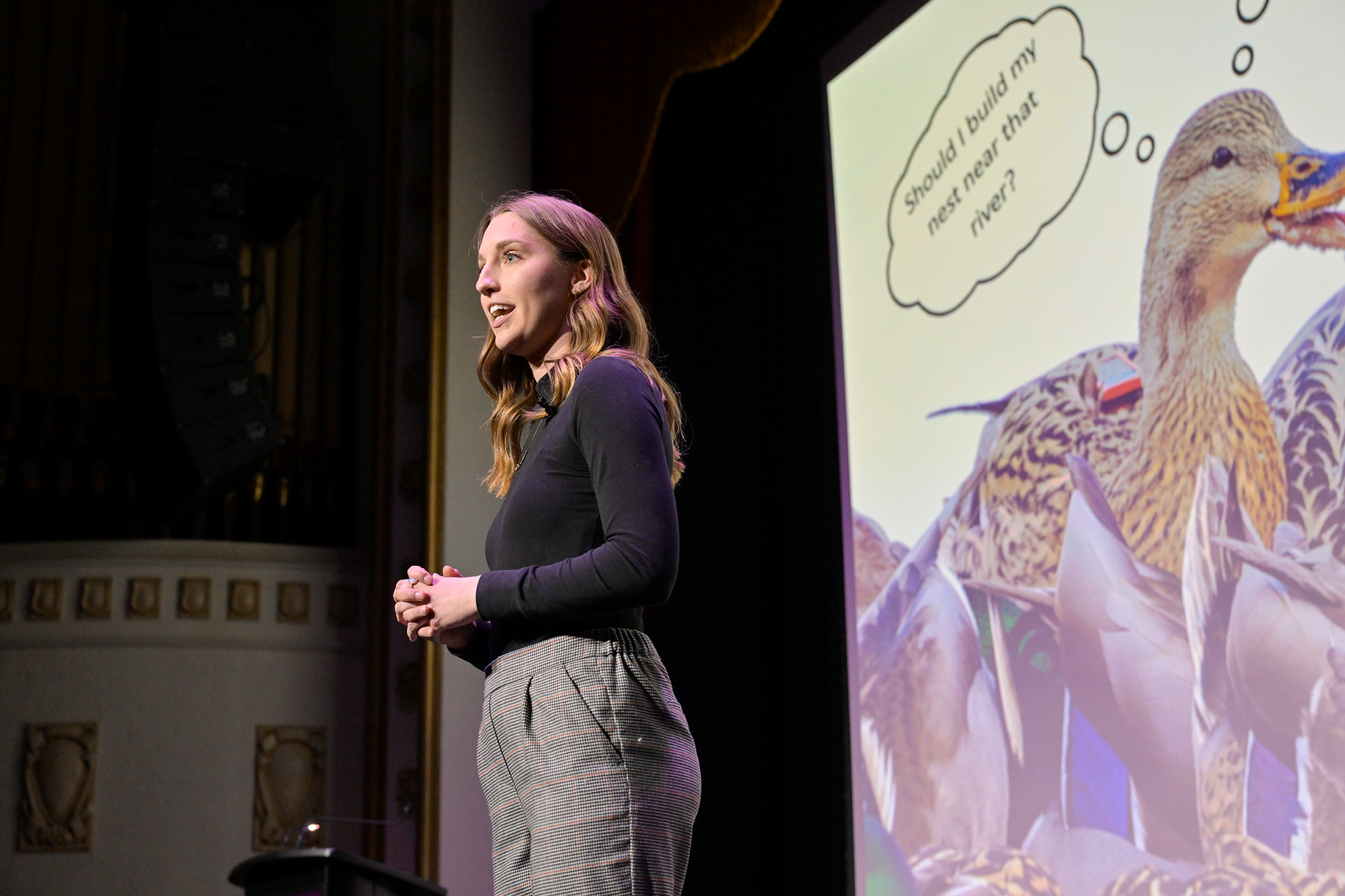
Find My Mallard - Tracking Habitat Use and Breeding in Mallard Ducks
My project focuses on eastern mallards in the Atlantic Flyway, a major migratory pathway for migratory birds that use the eastern coast of North America. This population of mallards has been declining over the past 25 years, a cause for concern among hunters and conservationists alike. Working alongside over 22 collaborators throughout the east coast of North America, I have deployed GPS and acceleration tracking devices on over 1350 female mallards. These tracking devices record movement and behavioural data, similar to the technology in an Apple Watch or a Fitbit. With this data, I aim to quantify reproductive success, behaviour, and habitat use within a full annual cycle model framework, providing insights that can inform conservation strategies and harvest management.
Cassidy Waldrep is a third year PhD student at the University of Saskatchewan studying mallard ecology, with a focus on habitat use, reproductive outcomes, and seasonal behaviour. She’s originally from Illinois but made the journey to Saskatoon in August of 2023 to start her waterfowl research under Dr. Mitch Weegman after graduating from Miami University in May of 2023 with a degree in Zoology. She is passionate about science communication and mentoring, sharing her research with elementary school classrooms and undergraduate lectures when possible. In her free time she enjoys birding, baking sourdough bread, reading, and spending time with her cat, Toast.
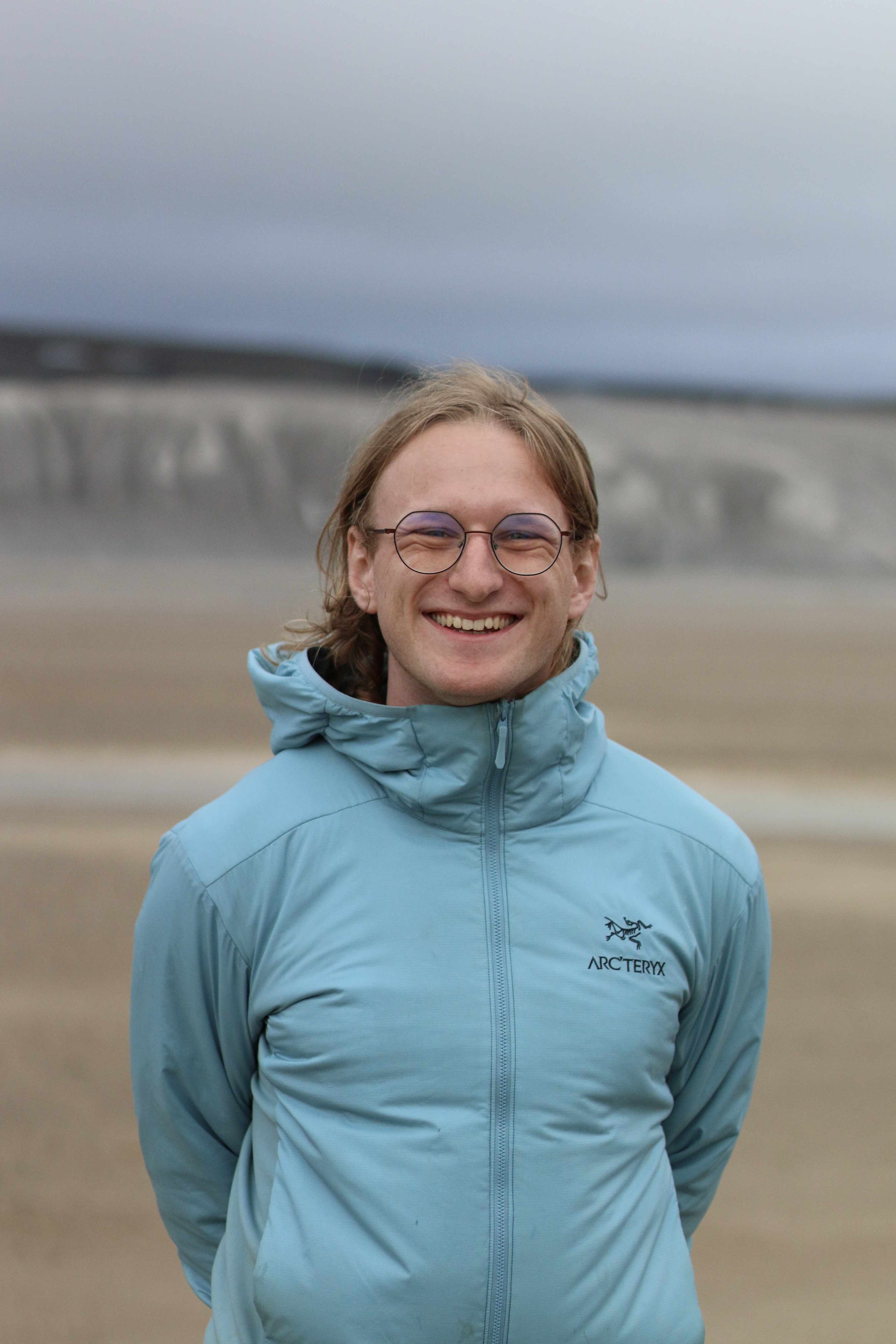 Jonas A. Eschenfelder
From Simon Fraser University - School of Environmental Science
Supervisor: Dr. Shawn Chartrand
In the Arctic, timing is everything!
I study how polar deserts are changing in response to a warming climate and the increasing frequency and magnitude of extreme weather events, such as heatwaves and rainstorms. In particular, I am interested in the formation and evolution of new river channel networks in the Canadian High Arctic, which provide us with a unique opportunity to study the earliest stages of how new ecosystems develop. As a geophysicist, I combine laboratory experiments with field observations to understand the grain-scale mechanics driving erosion of partially frozen riverbeds as well as how water flow across a landscape changes throughout the summer thaw season.
Jonas is a PhD candidate in the School of Environmental Sciences at Simon Fraser University, studying the formation and evolution of river channel networks in the Canadian High Arctic. They first came to Canada for their PhD studies after completing an MSc in Geophysics at Imperial College London, England, in 2022 where their research focus was on tracing heavy metal pollution in rivers. Jonas is passionate about understanding the interactions between landscape change, climate systems and humans through the lens of river networks. In their research, they combine laboratory experiments, mathematical scaling theory and field observations to isolate the driving processes across scales in complex environmental systems. Jonas is also interested in teaching and science communication, hoping to inspire more people to fall in love with the rivers that surround us. Outside of work, Jonas is an avid runner and skier and loves exploring new places through sports when travelling.
 Chloe MacLean
From Thompson Rivers University - Faculty of Science, Department of Biology
Supervisor: Dr. Eric Bottos
Microbial Community Response to Permafrost Thaw in the Canadian High Arctic
Permafrost, defined as Earth material that has remained frozen for at least two consecutive years, represents one of Earth’s largest carbon reservoirs. The frozen state of permafrost protects stored carbon from microbial metabolism. However, as permafrost thaws due to rising temperatures, this carbon becomes available to microorganisms for transformation into greenhouse gases such as carbon dioxide and methane. Above the permafrost lies the active layer, which undergoes seasonal freeze-thaw cycles and contains a microbial community that differs from the permafrost. Following thaw, the barrier to dispersal between these layers is removed, allowing the two microbial communities to compete. This research investigates how permafrost microbial community structure and greenhouse gas release change following thaw. Soil samples from two Canadian High Arctic field sites showed significant changes in microbial community structure and greenhouse gas release, with site-specific responses emphasizing the need for increased Arctic sampling to improve climate change predictions.
Chloe MacLean is a Master’s student in Environmental Science at Thompson Rivers University. Her research investigates how microbial communities respond to permafrost thaw in the Canadian High Arctic and the implications for greenhouse gas release. Chloe has a strong academic background in ecology and environmental biology, and her achievements have been recognized through several awards, including the NSERC Canada Graduate Research Scholarship and the BC Graduate Scholarship. She is passionate about science communication, mentorship, and environmental stewardship. Chloe plans to continue pursuing a career in climate change research, with a focus on understanding and addressing the impacts of environmental change. Outside of academia, Chloe enjoys caring for her plants, baking, and spending time outdoors.
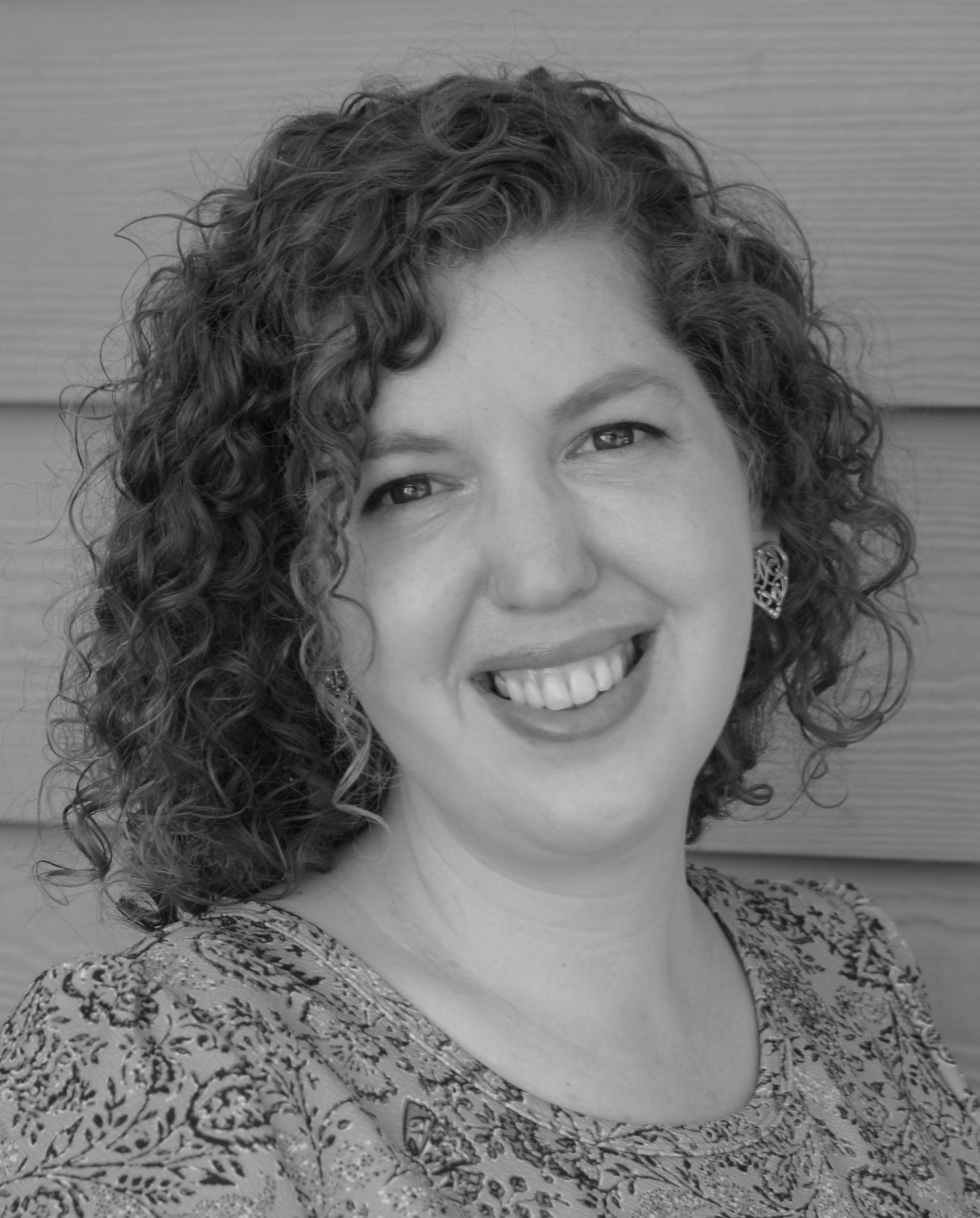 Elizabeth Snell
From Trinity Western University - Counselling Psychology
Supervisor: Dr. Briar Shulz
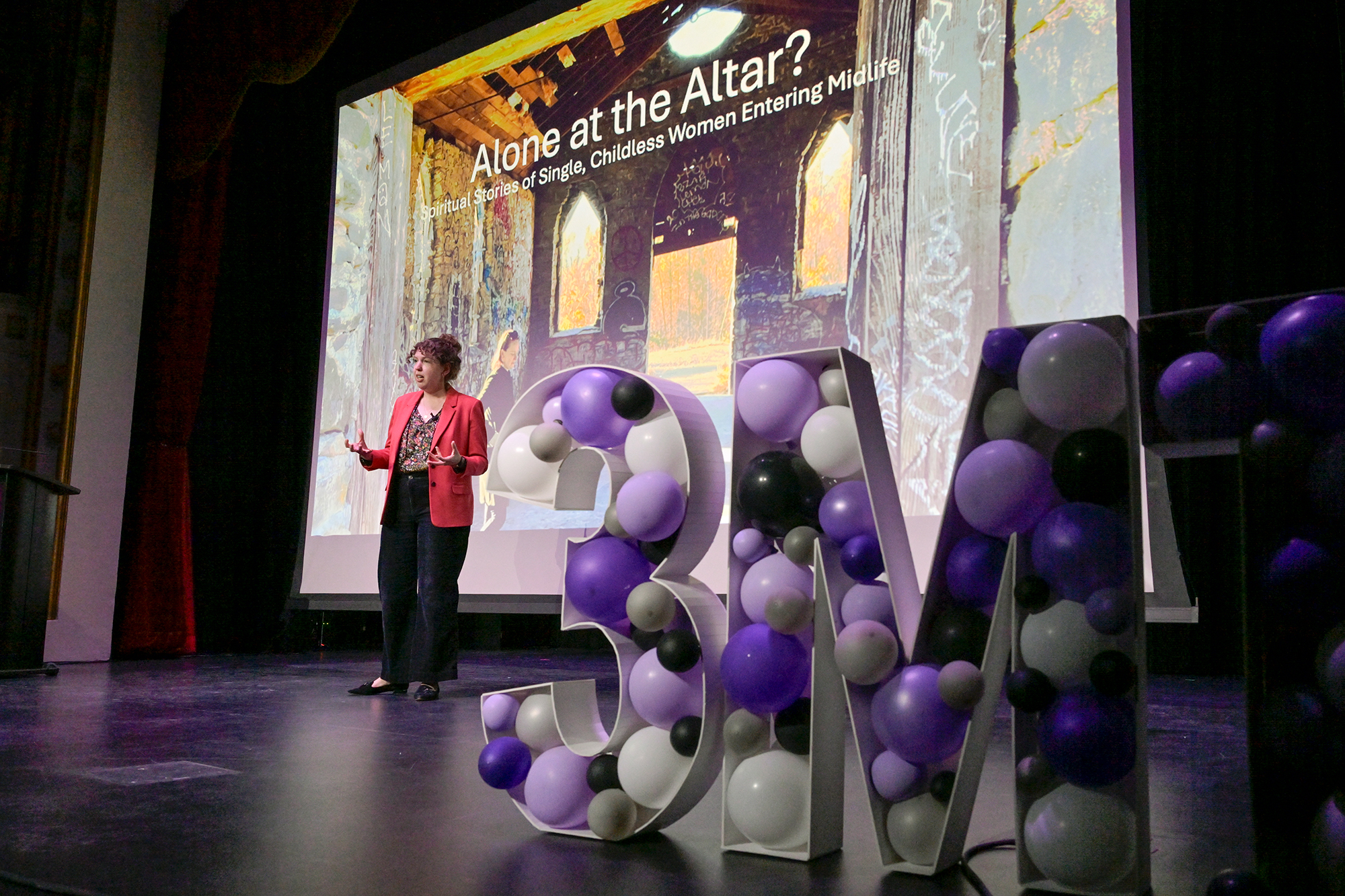
Alone at the Altar? Spiritual Stories of Single, Childless Women Entering Midlife
Single, childless women frequently experience stigma despite single households now being dominant in Canada. As women enter midlife, pressure to conform can increase due to fertility decline. Bias against non-traditional lifestyles can be even stronger in religious communities. As they age, women with religious backgrounds may embrace (and be embraced by) their spirituality and/or religious communities, feel marginalized and restricted, or find other paths forward. Little research has been done to examine this group’s spirituality and how it relates to life stage. The proposed study seeks to answer the question, what are the stories found between spirituality and life stage for single, childless women entering midlife who were raised Christian? An arts-based approach of life mapping will be used, along with narrative analysis and thematic analysis. Participants will be 5-8 single, childless women between age 35-45 who were raised in predominantly Christian settings and currently live in Canada.
Liz Snell is studying Counselling Psychology at Trinity Western University. Born and raised in Victoria, BC, Liz has a deep love for the arts and completed her undergrad in Creative Writing and English Literature at the University of Victoria. Liz enjoys exploring stories and meaning, whether through her own writing or through her clients' lives in counselling. She also likes creating visual art and is excited to be working on a thesis that combines her passions and lived experience. Liz hopes to focus on grief counselling in the future. When not in school she knits, hikes, reads novels, and cooks for her friends.
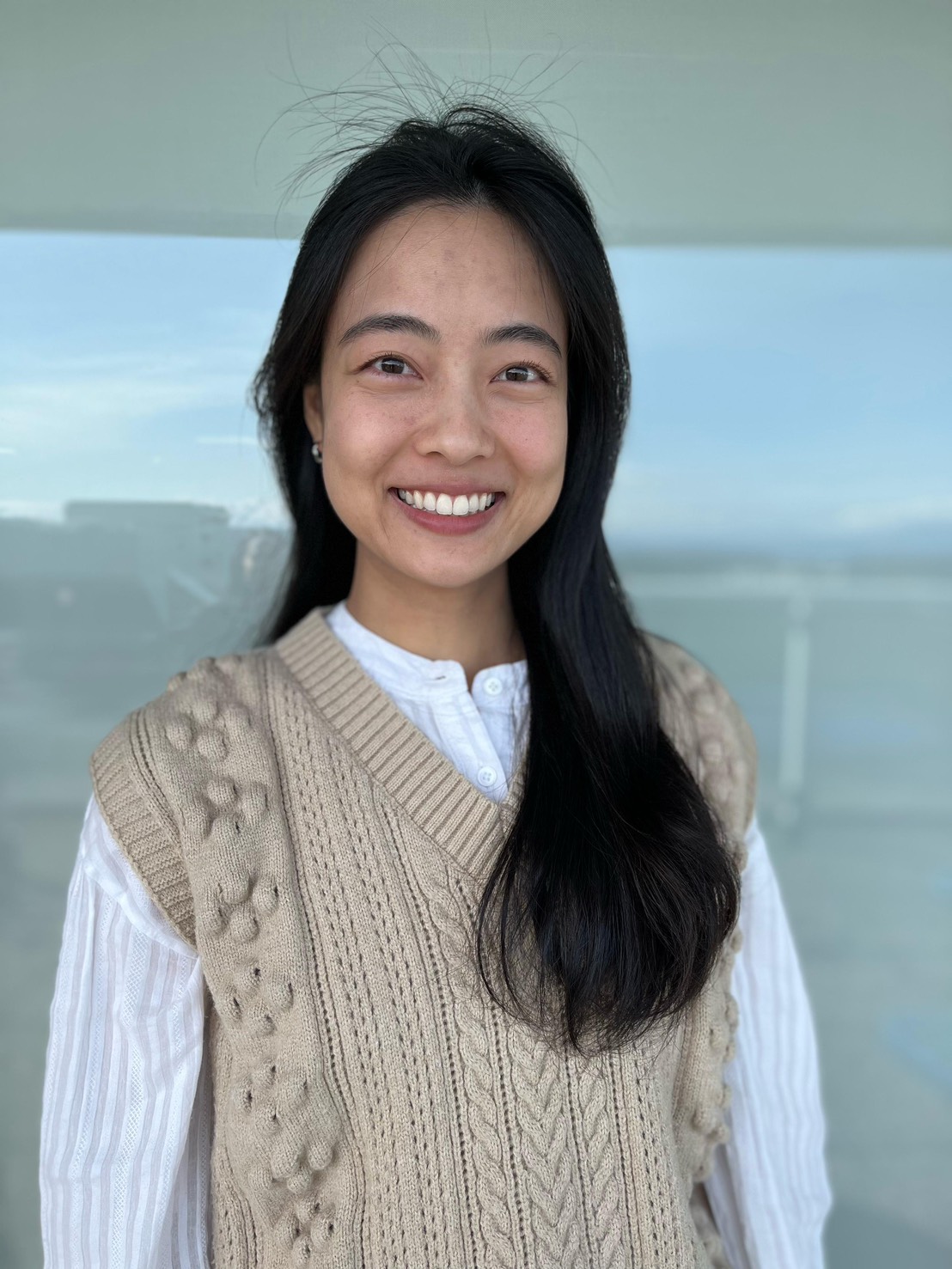 Sherie Chiang
From Vancouver Island University - Faculty of Education
Supervisor: Dr. Wendy Simms
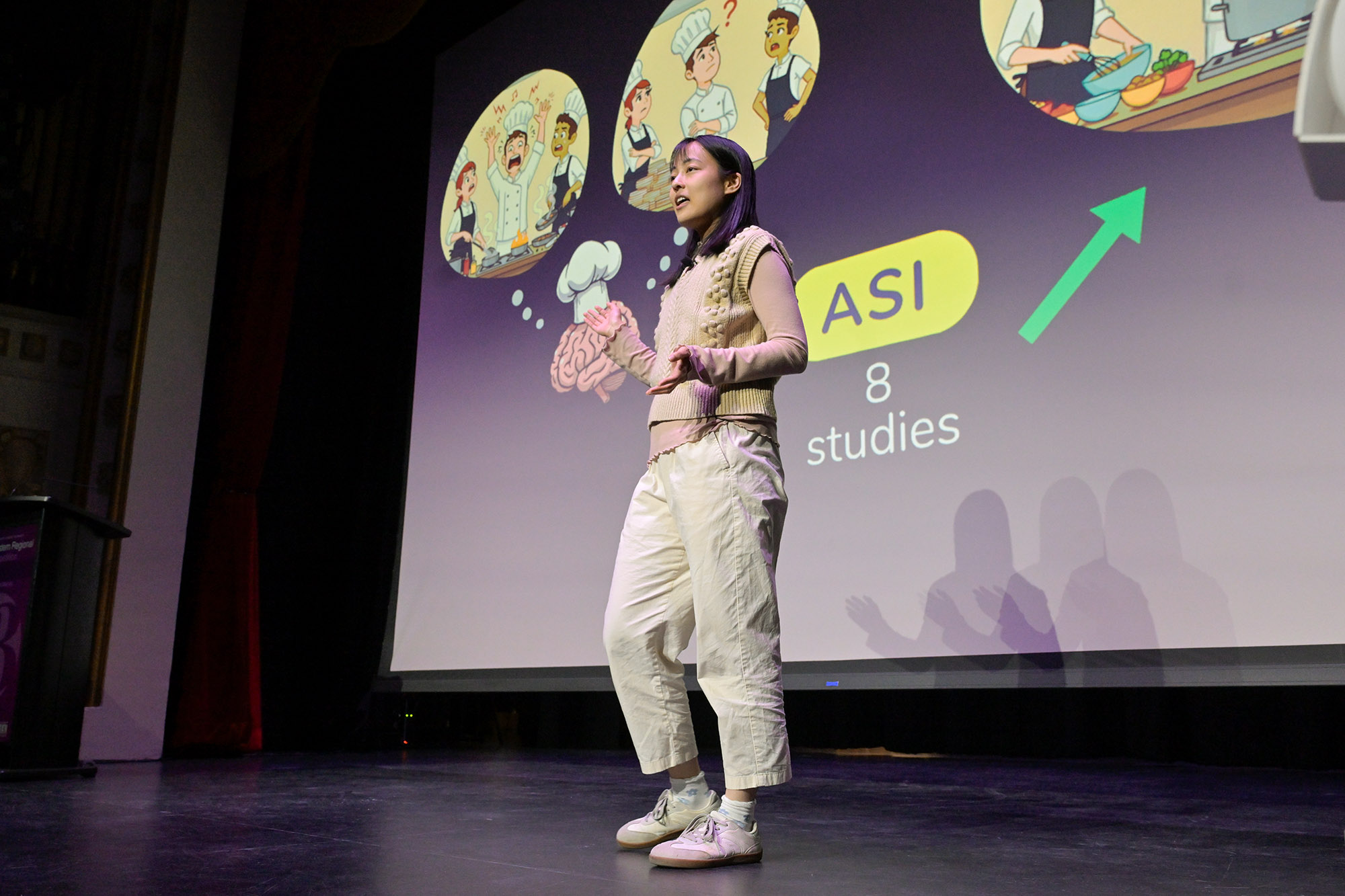
Training the Head Chef: Sensory Integration in Autism
Autistic children often face sensory integration challenges, where the brain much like a "Head Chef" in a busy kitchen becomes either overwhelmed by or unresponsive to sensory orders. This study investigates the effectiveness of Ayres Sensory Integration (ASI) therapy in resolving this internal chaos. As a systematic review, over 2,000 articles were screened to identify relevant studies. Eight studies that met the inclusion criteria were included in this review. The findings provide strong evidence that ASI significantly improves self-regulation and social-emotional skills, helping children better manage their emotions and connect with others. This research empowers families and educators with reliable, evidence-based information. Ultimately, it advocates for interventions that help every child’s "Internal Chef" lead a more coordinated, confident, and happy life.
Sherie Chiang is a Master of Special Education student at Vancouver Island University, grounded by her extensive experience as a support worker and mentor in Nanaimo. Her research was born directly from the front lines, where she witnessed firsthand how sensory integration difficulties create significant barriers for children with Autism in their daily lives and learning environments. Driven by these observations, Sherie felt inspired to scientifically explore the connection between Ayres Sensory Integration, self-regulation, and social-emotional development. Her ultimate goal is to empower educators and families with the evidence needed to make informed decisions about interventions, fostering emotional well-being and meaningful social connections for every child. When she steps away from her research, Sherie fuels her creativity and energy through intensive muscle building at the gym and by perfecting traditional Taiwanese recipes in her kitchen.
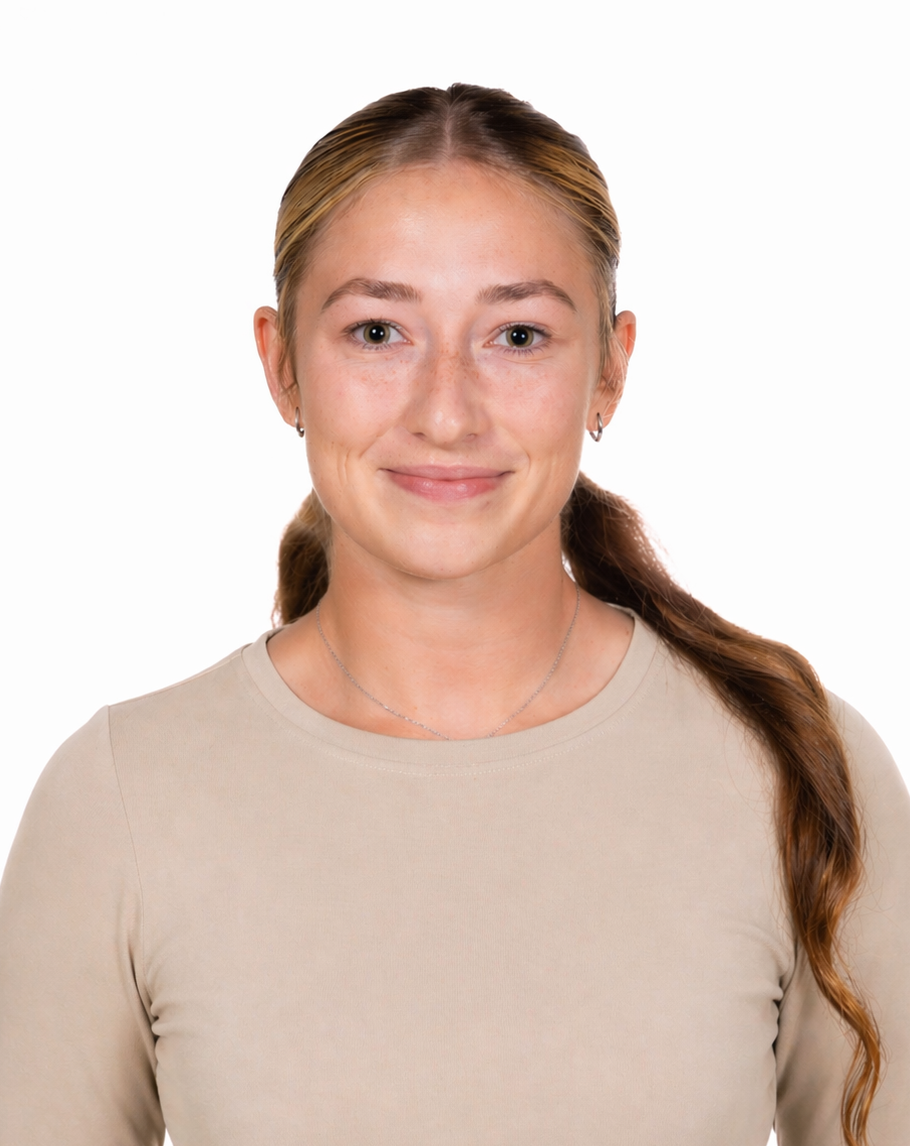 Kira Peary
From University of Victoria - Faculty of Health, Department of Exercise and Physical Health Education
Supervisor: Dr. Kurt Smith
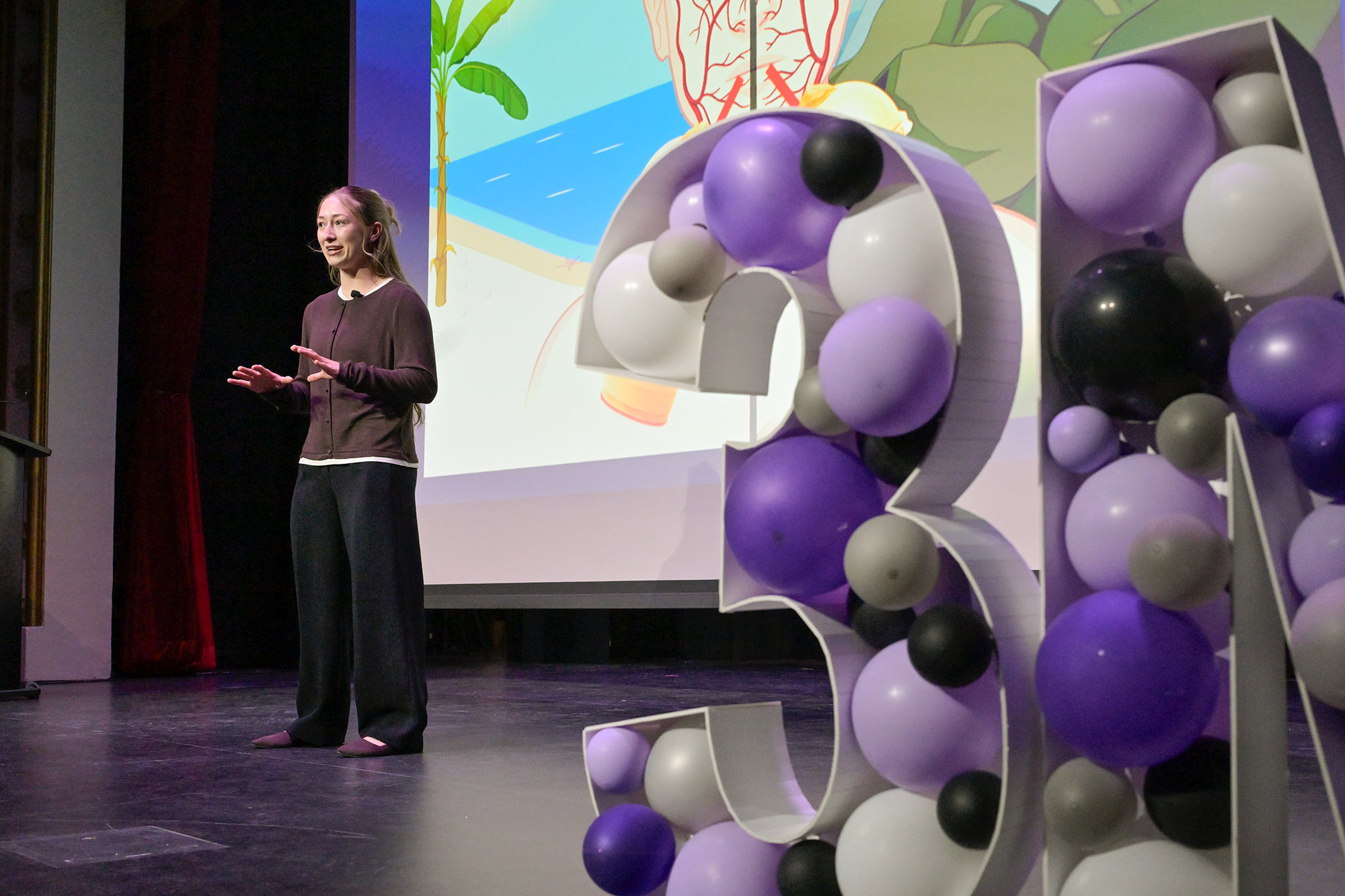
From Slushies to Summits: Rethinking Headache Science
My research explores how the autonomic nervous system regulates brain blood flow, particularly in response to acute stressors like cold exposure and hypoxia. Using non-invasive ultrasound techniques, I measure blood flow in key arteries of the brain while participants undergo controlled physiological challenges, including cold stimulus headache tests, at sea-level and at high-altitude where our physiology behaves differently. By examining how vascular responses change under different conditions, my work aims to better understand the mechanisms underlying cerebrovascular control. This research has important implications for conditions like headache disorders, where disruptions in autonomic and vascular function may play a key role. Ultimately, my goal is to help bridge the gap between basic physiology and clinical application by identifying mechanisms that could inform future therapeutic strategies.
Kira Peary is a first-year Master’s student in kinesiology at the University of Victoria where she is studying cerebrovascular physiology and autonomic nervous system regulation. Her research explores how the nervous system influences blood flow in the brain during acute headache stimuli, while also investigating how environmental factors like high-altitude alter these responses. Alongside her academic work, Kira practices as a clinical kinesiologist, where she helps individuals suffering from headache disorders, and works with both children and adult populations to support rehabilitation, movement, and overall health. These experiences shape her interest in translating research findings into meaningful clinical applications. She is particularly drawn to innovative, hands-on approaches to research that bridge the gap between physiology and clinical implementation. Kira aims to continue integrating research and clinical practice to improve understanding and treatment of conditions involving vascular and autonomic dysfunction.
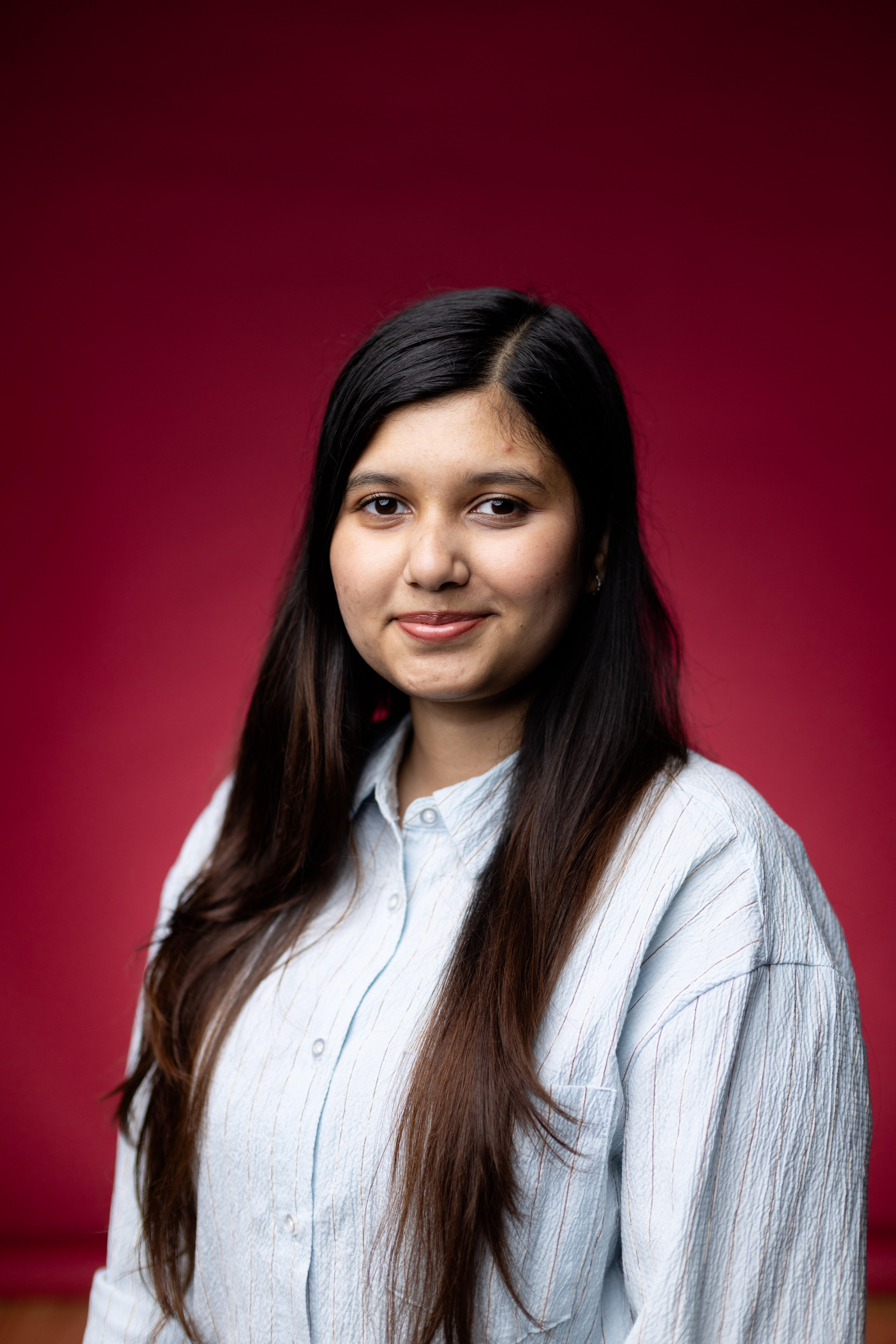 Ishadie Namir
From University of Winnipeg - Applied Computer Science and Society
Supervisor: Dr. Sheela Ramanna
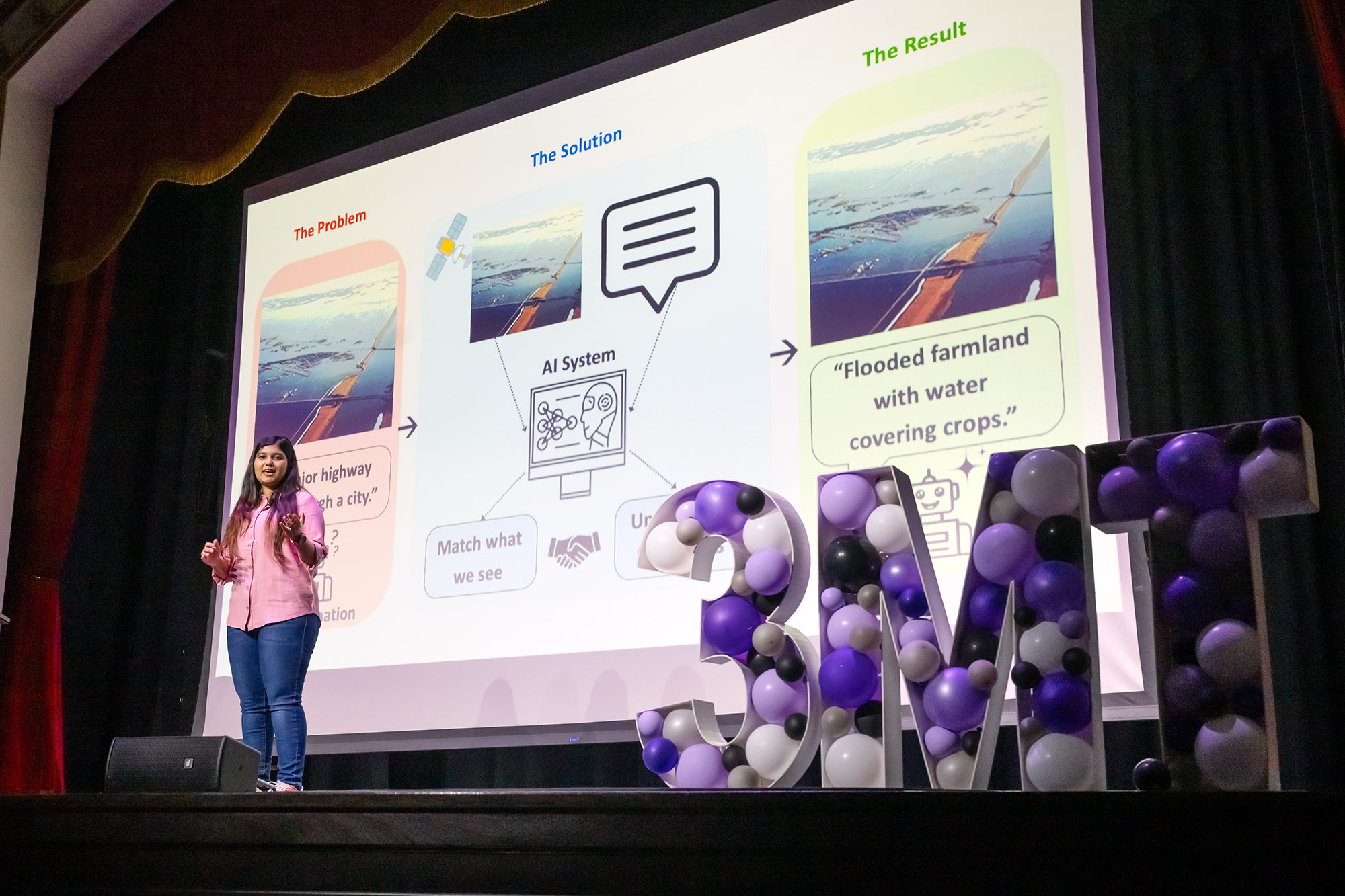
Seeing From Space: Helping AI Describe Satellite Images Accurately
Satellite imagery plays a critical role in understanding environmental change, including climate patterns, land use, and disaster impacts. However, analyzing large volumes of satellite data is time-consuming and often requires expert knowledge. My research focuses on developing artificial intelligence (AI) systems that can automatically generate accurate descriptions of satellite images, making this data more accessible and easier to interpret. A key challenge in existing systems is “hallucination,” where the AI generates details that are not actually present in the image. To address this, I develop multimodal learning models that learn from both images and text, helping the system better connect what it sees with the correct descriptions. My approach strengthens the alignment between visual information and language, improving both accuracy and reliability. The goal of this research is to create more trustworthy AI systems for satellite image interpretation, supporting applications in environmental monitoring, climate research, and real-world decision making processes.
Ishadie Namir is a thesis-based Master of Science student in Applied Computer Science and Society at the University of Winnipeg, supervised by Dr. Sheela Ramanna. Her research focuses on artificial intelligence, particularly multimodal machine learning and natural language processing. She is interested in developing intelligent systems that can learn from multiple sources of information, such as images and text, to better understand complex real-world problems. Her work includes building AI models for satellite image analysis and exploring methods to improve how artificial intelligence interprets visual and textual data in a more accurate and reliable way. Her broader research interests include environmental monitoring, scientific data analysis, and the development of AI systems that can support real-world decision making and benefit society.
Joining us in Regina?
Accommodations
We've arranged a room block at the Hotel Saskatchewan for participating institutions, located at 2125 Victoria Avenue in Regina — just a short walk from Darke Hall.
To access the FGSR Room Block rate of $189/night (plus applicable fees and taxes), please use this link when booking. You're welcome to reach the hotel directly at 306-522-7691. Please note this rate is available until April 17th, so if travel is being arranged, it's worth booking before that date.
Competition Day – Monday, May 4 at Darke Hall (College Avenue Campus)
Midday (arrival, welcome, and rehearsal) at Darke Hall
- 12:00 p.m. – Welcome Lunch
- 1 – 3 p.m. – Rehearsal
- You’ll have the opportunity to get familiar with the stage, test your slide, and run through your presentation in the space. Please plan to arrive on time so we can move smoothly through the schedule.
- 5pm – Buffet Supper, Saskatchewan Suite in the Hotel Saskatchewan prior to the competition
Tentatively – We are in the process of (1) planning a campus tour in the morning on May 4th for those of you who might be interested and (2) organizing a guide to bring you from Hotel Saskatchewan as a small group walking over to Darke Hall at 11:30 a.m.—you’re very welcome to join.
Evening (event and celebration)
- 6:30 p.m. – Finalists check-in at Darke Hall
- 7:00 – Competition begins
- 7:02 – Welcome from UR President, Dr. Jeff Keshen
- 7:05 – Greetings from Dean Aziz Douai, Faculty of Graduate Studies & Research
- 7:09 – Introduction of tonight’s Judging Panel and how the competition will run
- 7:12 – 3MT Presentations begin (MB-SK-AB-BC)
- 8:20 – People’s Choice Voting (open for 10 minutes)
- 8:30 – Meet & Greet Reception with Finalists (judges deliberate)
- 8:50 – Winners announced
Post-event – Finalists and winners’ photos on stage
* Please note that these times are tentative as it will depending on how long the judges take between presenters and to deliberate.
Details for the event can be found on the Western Regional 3MT website here.
The Livestream link will be accessible during the event for your friends and family not able to join you in Regina.
The People’s Choice voting link will be provided and accessible during the event only.
If your institution has already held its 3MT competition — or will be doing so soon — we'd love to hear from you. When you're ready, please send along your winner's name and email address, and we'll reach out to them directly. We'll be asking for:
- The title of their talk
- Their degree information (e.g., Master of Sociology, PhD in Business)
- The name of their academic supervisor(s)
- A headshot photo (JPG, 240×303 pixels)
There's no rush if your competition is still coming up — just reach out when you have a winner confirmed.
Thank you to our sponsors: