Bobi Skerten’s Journey Through Nursing School and Motherhood
From LPN to RN
“So many different doors have opened,” she said. “I’m excited for the path I’m on with my career.”
When Bobi Skerten accepted her place in the Saskatchewan Collaborative Bachelor of Science in Nursing (SCBScN) program, she had just learned she was pregnant with her first daughter.
Over the next two and a half years, she would welcome two children, commute more than two hours each way from Swift Current to Regina, and complete demanding courses and clinical placements, all while finishing her degree ahead of schedule.
Now preparing to begin work as a Registered Nurse (RN) in the operating room at her local hospital, Skerten describes the experience as difficult and rewarding, made possible by the people who supported her along the way.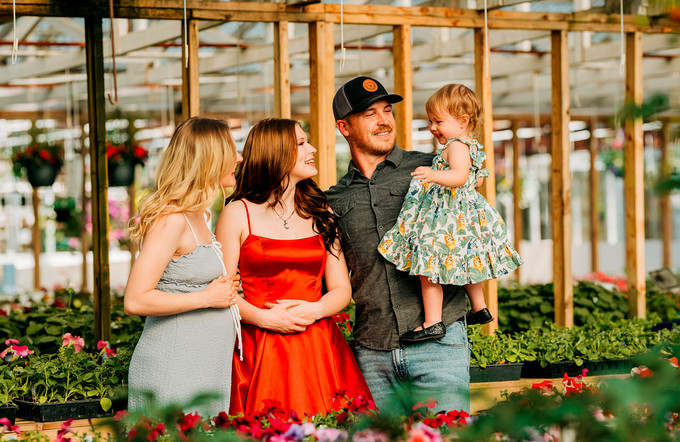 “I think it takes a village to raise children, and I think it takes a village to get someone through nursing school,” she said. “A degree is no easy feat. We had the best village to help get us all here, and I am forever grateful.”
Skerten immigrated to Canada from the United Kingdom with her parents and two brothers in 2008. Her family settled in Stewart Valley, where they were quickly welcomed into the community. She now lives in Swift Current with her partner, Lee, and their children.
Although a high school career assessment once identified nursing as her strongest career match, Skerten did not immediately know if it was the right path. After gaining more life experience and sitting at the bedsides of loved ones who required care, she decided to pursue the profession.
Nursing offered the combination she was looking for: meaningful work, the opportunity to help people, job security, mobility, and the ability to work in different areas throughout her career.
Before entering the SCBScN program, Skerten worked for approximately a year as a licensed practical nurse (LPN). Her experience included rural emergency care, long-term care, and medical-surgical nursing. She valued her role as an LPN but wanted a broader scope of practice, more career opportunities, and greater responsibility.
“LPNs are a vital part of health care, and I loved being an LPN, but I wanted more from the profession,” she explained. “I knew being an RN would give me that.”
The SCBScN pathway allowed Skerten to build upon her previous nursing education rather than begin an entirely new four-year degree. Her LPN education and professional experience also gave her a valuable foundation in disease processes, medications, clinical skills, patient assessment, time management, and critical thinking.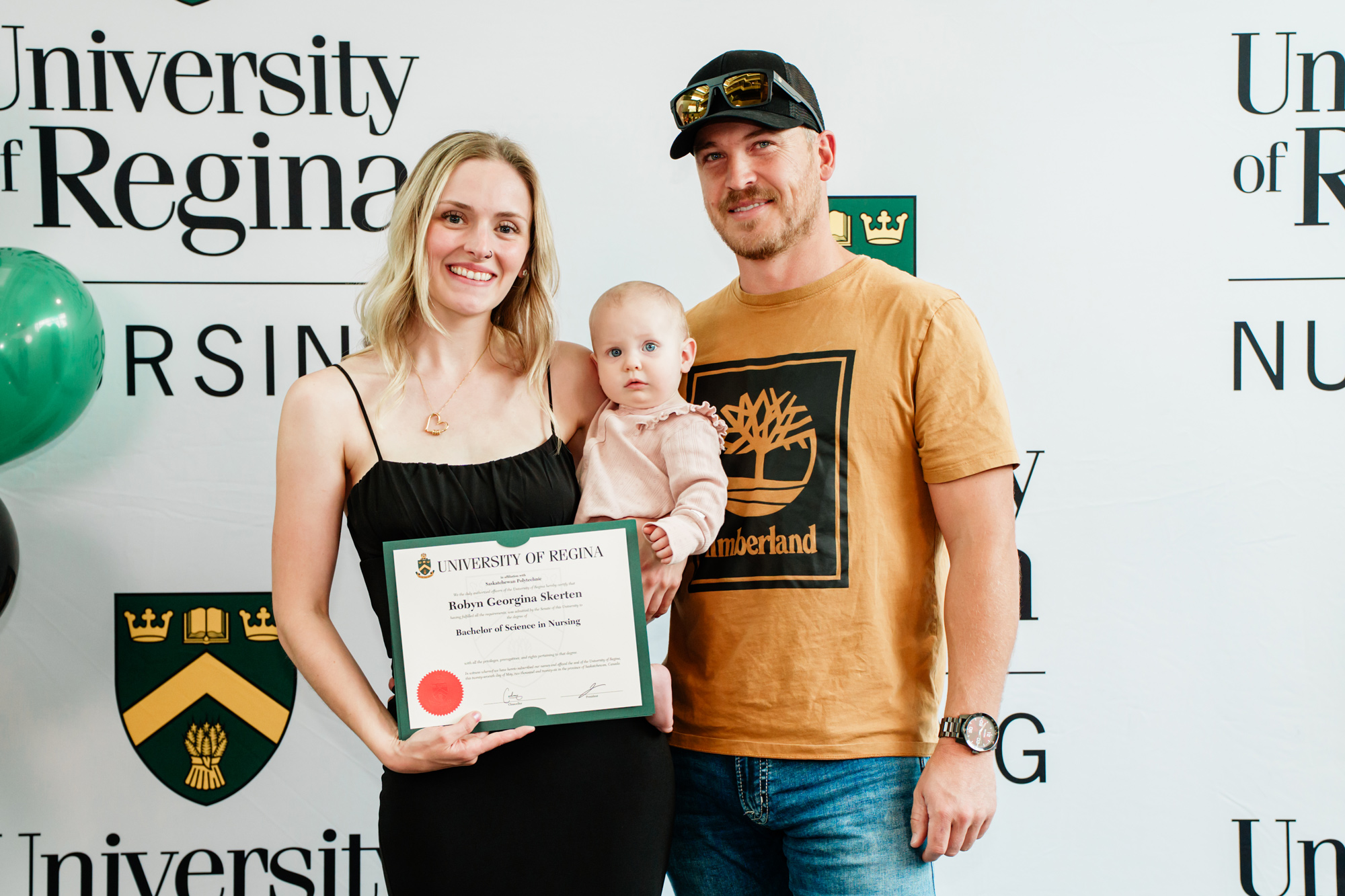
Having already worked with patients helped her connect classroom theory to nursing practice. “Having that background and having seen things in the flesh gave me an understanding of ‘why we do this’ or ‘why we check for this’ when the content dug deeper,” she said.
Even with that preparation, completing the program while raising a young family was not easy. Skerten travelled to Regina once or twice a week after mainly working online in the first semester. She drove in nearly every kind of Saskatchewan weather, using the long hours on the highway to listen to recorded lectures and educational videos. During her final week of commuting, she struck a deer and totalled the SUV she had purchased a few years earlier.
The physical distance was challenging, but leaving her children was even harder. Her oldest daughter was six months old when Skerten began staying overnight for clinical placements. Her second daughter was only six weeks old when she started her preceptorship in Regina.
Skerten also experienced what she describes as “mum guilt” when her responsibilities as a student required her to spend time away from her children. She reminded herself that she was pursuing the degree to create greater opportunities for her entire family.
Her partner, parents, grandmother, classmates, friends, and instructors all played important roles. Lee cared for the children while she was away and encouraged her through difficult moments. Her parents helped with daycare transportation, sleepovers, study nights, and emotional support, while her grandmother regularly provided meals and
encouragement.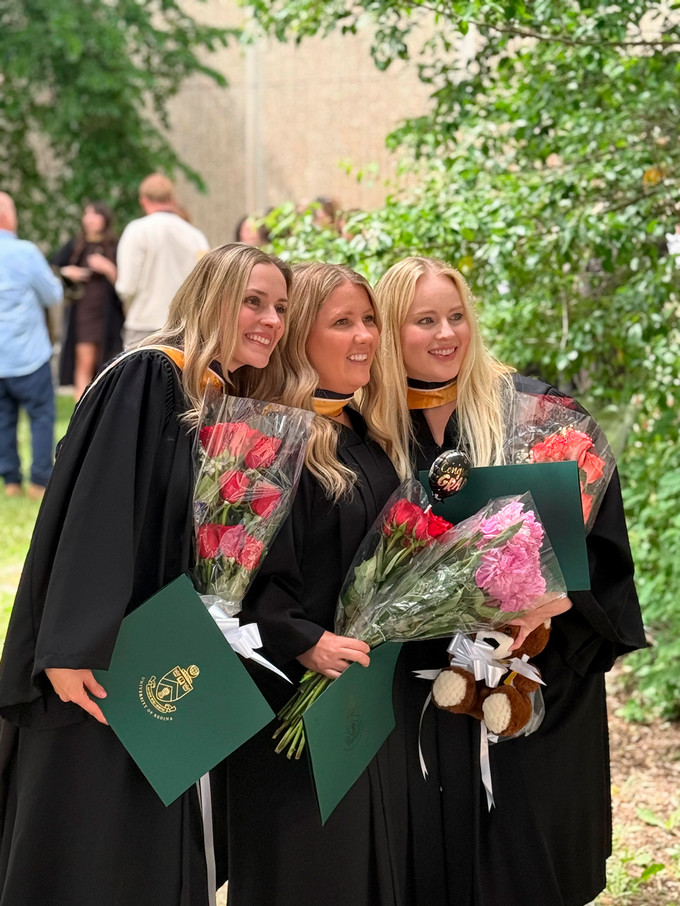 Faculty members accommodated her travel challenges and her need to pump breast milk during classes and clinical placements. Friends in Regina gave her a place to stay and became what she calls her “home away from home.”
Her classmates also understood the unique pressures of nursing education.
“We supported each other, shared study notes, vented, cried, studied together, and got each other through,” she said. “No one quite understands nursing school except for the people in it with you.”
Her new RN designation has already opened the door to the specialized career she hoped to pursue. This fall, she will begin operating-room orientation at her local hospital, where she will scrub in and assist with surgeries.
“So many different doors have opened,” she said. “I’m excited for the path I’m on with my career.”
For other LPNs or parents considering returning to school, Skerten offers straightforward advice.
“There’s never a good time for anything — kids or school,” she said. “Do it when you can. You’ll never regret bettering yourself.”