Student-led calls to action focus on decolonizing nursing education
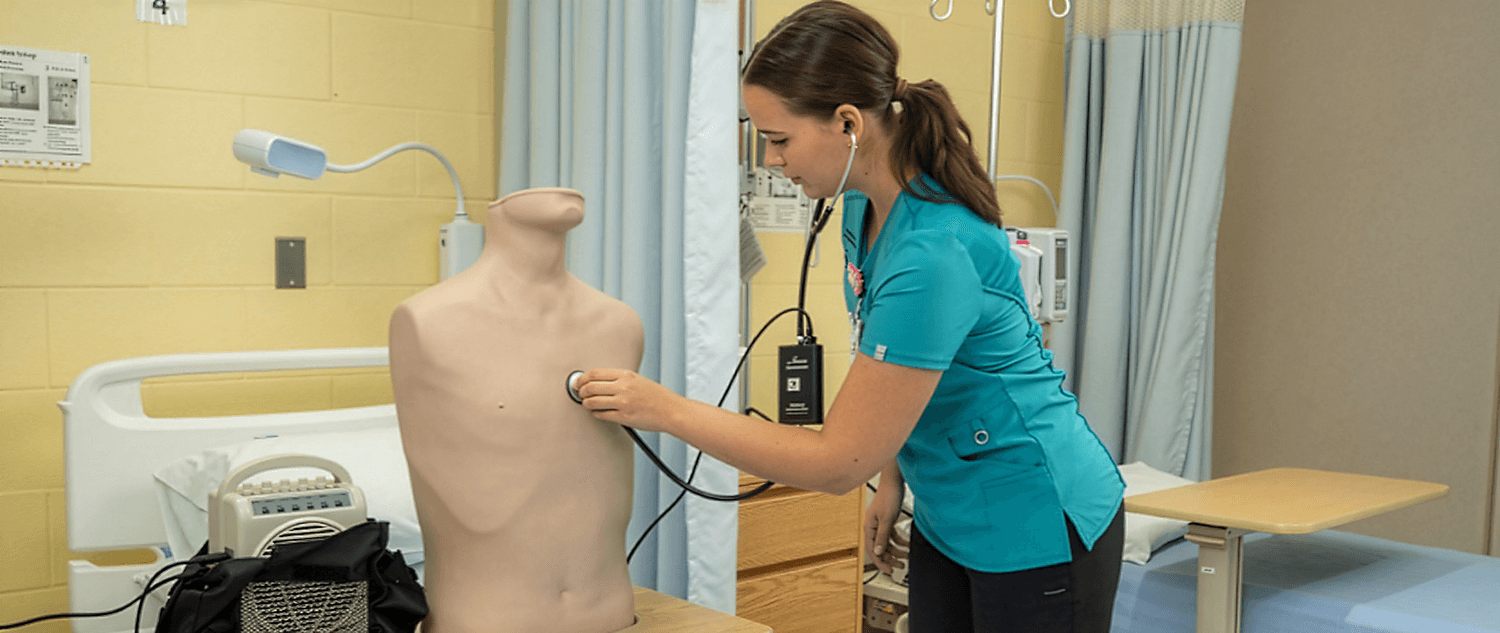
Working with nursing students from across Canada on a call to decolonize nursing education changed how Abbie Shynkaruk thought about her own education and the responsibility of future nurses.
The student-led project, Interprovincial Call to Action for Decolonizing Nursing Education, brought together nursing students from several provinces to look at how Indigenous knowledge, supports and perspectives are included in nursing programs.
“I knew it was an important topic, but working with students from different provinces really opened my eyes,” says Shynkaruk, a third-year Métis student in the Saskatchewan Collaborative Bachelor of Science in Nursing (SCBScN) program jointly offered by Saskatchewan Polytechnic and the University of Regina. “I realized that many nursing students across Canada don’t have access to the same Indigenous supports and learning opportunities that we have at Sask Polytech and the University of Regina.”
After connecting with other nursing students at the 2026 Canadian Nursing Student Association National Conference, Shynkaruk became involved with the project. The collaboration brought together Shynkaruk, Rebecca Savard from the University of Québec at Rimouski, Hugo Tam from Ontario Tech University and Sierra Punchard from Trent University.
Through their conversations and research, Shynkaruk heard students describe nursing programs where learning was still largely framed through a Western lens, Indigenous worldviews weren't integrated into the curriculum and dedicated spaces for Indigenous students were limited or unavailable.
The experience helped her see decolonizing nursing education as both a national conversation and a responsibility for students, educators and institutions.
The group’s calls to action ask nursing schools to embed Indigenous health throughout the curriculum, create culturally safe learning environments, support Indigenous student recruitment and mentorship, partner with Indigenous communities in curriculum development and recognize Indigenous knowledge as foundational to nursing education.
The group was invited to present on their project at the 2026 Indigenous Nursing Research for Health Empowerment Summit in Victoria this October. Although Shynkaruk is unable to attend, she is honoured to have worked on the project with a great team of nursing students.
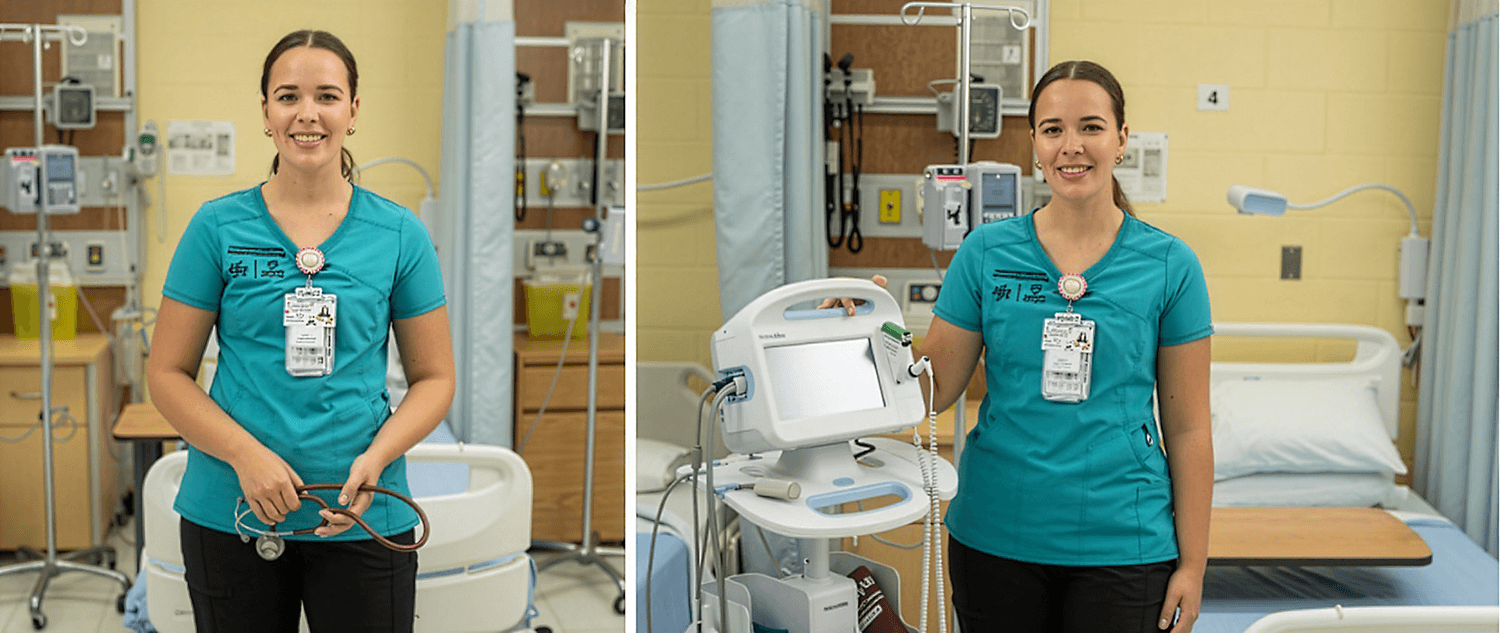
“This project made me appreciate the work Sask Polytech and the University of Regina have already done while also recognizing that there is still work to be done and we have a long road ahead of us,” Shynkaruk says.
Shynkaruk’s interest in nursing was shaped early on by time spent in hospitals and by seeing how nurses support people and families during some of the hardest moments of their lives.
“To me, nurses aren’t just healthcare providers,” she says. “We’re educators, advocates and support people. We meet people where they’re at and care for them as whole people, and that’s what really drew me to this profession.”
She carries that belief into her role as Saskatoon Nursing Students Society president, where her goal is to help create spaces where nursing students feel heard, supported and connected.
"Abbie is a remarkable Métis nursing student," says Suzanne Toombs, Indigenous Nursing Advisor. "She participates in Indigenous cultural programing and has been making a difference by leading the SCBScN Saskatoon Nursing Students Society. She is truly a role model for other Métis students, helping contribute to changes within our colonial school and health care system."
Looking ahead, Shynkaruk wants to give back to her community. She's interested in working with children and improving access to health care for people in northern and rural communities. Her long-term goal is to become a nurse practitioner.
Shynkaruk values advocacy, culturally safe care and a belief that nurses have a responsibility to see and support the whole person. These not only guide her work on decolonizing nursing education but also her future as a nurse.
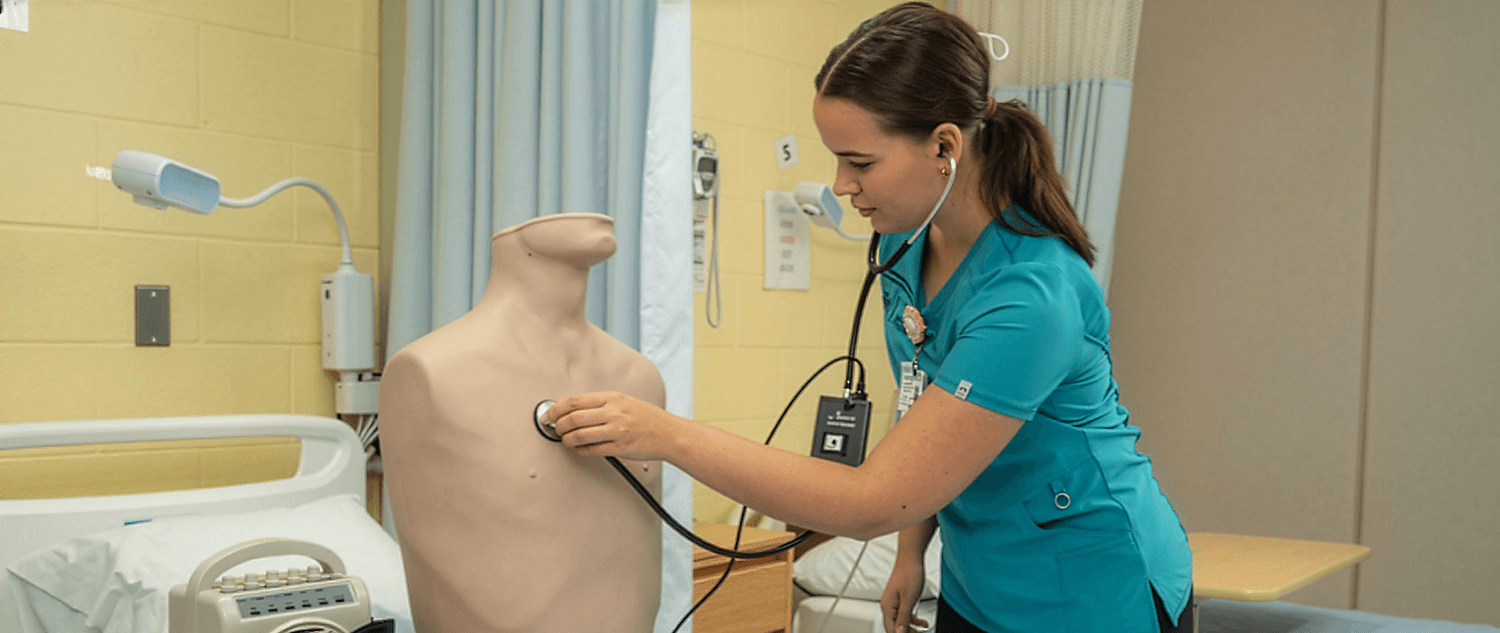
“Nurses have the privilege of being with people during both their hardest moments and some of their happiest ones, and that’s something I don’t take lightly,” she says. “Being trusted to care for people, support families and make a difference in someone’s life is what excites me most about this career.”
Learn more about the Saskatchewan Collaborative Bachelor of Science in Nursing (SCBScN) program. Applications open October 1 each year.
Image credit: Saskatchewan Polytechnic