April 22 is Earth Day which inspires many of us to pause and ask ourselves, what can we do to make a difference?
University of Regina alumnus Nathaniel Hak, a 2025 environmental biology graduate from the Faculty of Science, demonstrates firsthand what is possible right here in Saskatchewan. Through his work in environmental stewardship, he’s helping drive sustainable agriculture practices throughout the province.
A science degree opens up so many different opportunities for you, whether it’s environmental work, research, medicine, or even something that isn’t directly relevant to your degree — Nathaniel Hak, Alumni, Faculty of Science, University of Regina
A passion for wildlife
Hak knew at a very young age that he wanted to be a wildlife biologist.
Maybe it was the BBC Earth documentaries, he jokes. Or maybe it was growing up with a father who worked in conservation biology. Long before studying at the U of R, Hak was camping, fishing, hunting, hiking, and sometimes tagging along to field sites with his dad, getting an early glimpse of what a life in conservation could look like.
Inspired by his father, who had studied in the same program, Hak chose to attend Lakeland College in Alberta, where he completed a two‑year diploma in wildlife and fisheries conservation. Thanks to a transfer agreement between the college and the U of R, Hak was able to continue his studies and apply his diploma directly toward a science degree.
“Wildlife biology in particular is a field where practical, hands-on experience is invaluable, and so this mix of institutions kick-started my resumé from my first summer of post-secondary and helped me hit the ground running after graduation,” says Hak.
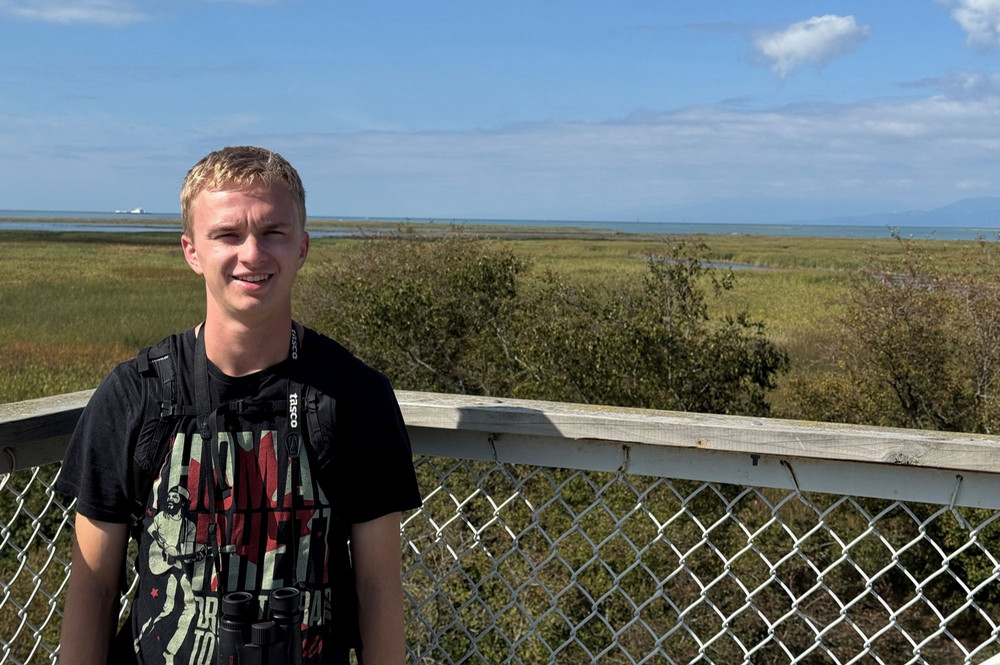
University of Regina’s Faculty of Science alumni, Nathaniel Hak. Credit: photo Courtesy of Nathaniel Hak.
Learning in the field
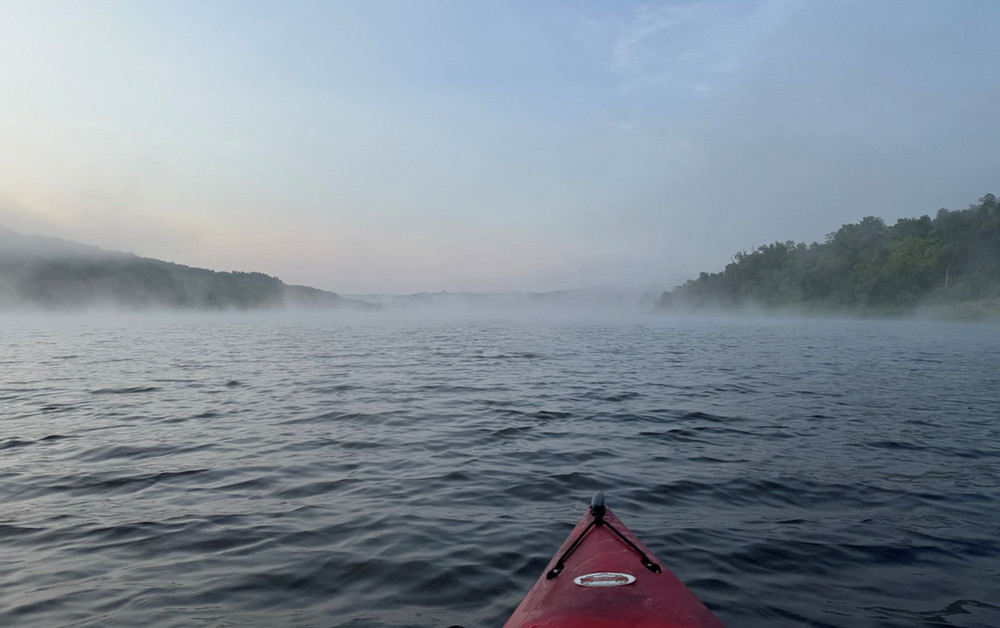
After graduating, Hak completed his final summer work term as a student wildlife technician with the Canadian Wildlife Service, a branch of Environment and Climate Change Canada. He spent the summer doing both shoreline and kayak-based surveys for shorebirds and waterbirds across wetlands and lakes in Saskatchewan and Manitoba.
“I always feel so lucky that I get paid to work outside and help monitor, and ultimately protect, wildlife populations. There aren’t too many people who can say that they get paid to birdwatch,” says Hak.
Hak learned how the work his small crew was doing fit into the bigger conservation picture. Their observations help build a clearer understanding of where birds are nesting across the Prairies and how many are using those habitats, including species at risk. That data can then help inform protection plans for species at risk and guide decisions ahead of large urban, industrial, or construction developments.
“In a perfect world, this data helps mitigate the impact of human activities on the species that we surveyed and, by extension, other wildlife and plant species that share their habitats,” says Hak.

Under the northern lights, Hak works with the Canadian Wildlife Service to band shorebirds overnight at Chaplin Lake, Saskatchewan. Credit: photo Courtesy of Nathaniel Hak.
Supporting sustainable agriculture
Hak now works on the agriculture stewardship team with the Saskatchewan Association of Watersheds (SAW), where he supports farmers across the province through the Saskatchewan Watersheds Environmental Agriculture Program, the provincial delivery agent for Agriculture and Agri-Food Canada’s On-Farm Climate Action Fund.
“Say that 10 times fast,” jokes Hak.
The program helps producers adopt agricultural practices that reduce nitrogen use and lower greenhouse gas emissions. In his role, Hak works directly with farmers on funding applications and program administration, while also representing SAW at trade shows and workshops. He says these events are valuable opportunities for producers and environmental professionals to share knowledge on farming practices that are both environmentally and economically sustainable.
“As stewards of the land, agriculture producers are absolutely key stakeholders in any conservation activity on the Prairies,” says Hak. “Meeting producers where they are, and understanding how their operations work, is essential to working effectively alongside them. I’m really excited that I get to learn directly from them about what goes into that decision‑making.”
Now heading into his first full field season with SAW, Hak is looking forward to supporting the water resource and habitat stewardship teams. “One thing I love about working at non‑profits is that no matter what your role is, you usually get to support a number of different initiatives across the organization,” he says.
These initiatives will include tree planting, aquatic invasive species monitoring, and other on‑the‑ground field programs across Saskatchewan.
Where can a science degree take you?
Hak didn’t take the straight path to a career in environmental work. Instead, he explored where the winding roads could take him. Throughout the journey, he gained experience in communications, board governance, and administration, building a diverse set of skills that continue to serve him now.
“A science degree opens so many different opportunities for you, whether it’s environmental work, research, medicine or even something that isn’t directly related to your degree,” says Hak. “It doesn’t mean you’re locked into one particular sector, if anything, it broadens your opportunities even outside the science field."
Don’t wait for Earth Day to make a difference. Start exploring where a future in science could take you!
Hak also encourages students to take electives outside their area of study to bring new perspectives to their work. One of those electives led to an opportunity of his own. In 2024, Hak joined the Treaty Land Sharing Network (TLSN) as a part-time administrator after completing a service-learning project in Dr. Emily Eaton’s Resource and Conservation Management course in the Department of Geography and Environmental Studies.
With a degree in science, the possibilities are endless.
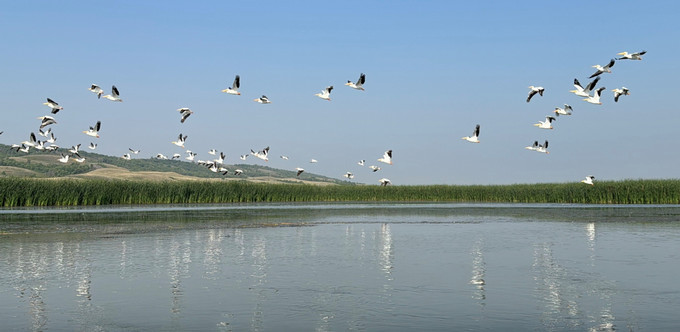
Banner photo: Hak captures birds taking flight during one of his field surveys. Credit: photo Courtesy of Nathaniel Hak
About the University of Regina
At the University of Regina, we believe the best way to learn is through access to world-class professors, research, and experiential learning. We are committed to the health and well-being of our more than 16,600 students and support a dynamic research community focused on evidence-based solutions to today’s most pressing challenges. Located on Treaties 4 and 6—the territories of the nêhiyawak, Anihšināpēk, Dakota, Lakota, and Nakoda peoples, and the homeland of the Michif/Métis nation —we honour our ongoing relationships with Indigenous communities and remain committed to the path of reconciliation. Our vibrant alumni community is more than 95,000 strong and enriching communities in Saskatchewan and around the globe.
Let’s go far, together.