Thrive at Grad School
Your Guide to Success, Balance, and Fulfillment
Graduate school is more than a degree—it’s a season of growth, challenge, and discovery. But it can also be demanding, with coursework, research, and life all competing for your time.
Read the monthly article from the Faculty of Graduate Studies & Research for tips and events that support your graduate school experience.
A new academic year often begins with ideas about what we hope to accomplish, explore, or learn. By October, some of those ideas may already be taking shape—while others may be changing as courses, research, conversations, and new experiences lead us in directions we didn't necessarily expect.
Graduate school also has plenty of recognizable achievements: completing a course, reaching a research milestone, presenting at a conference, publishing your work, receiving an award, defending your thesis, or graduating. These moments matter, and they are worth celebrating.
But most of graduate school happens between those moments.
Research develops. Ideas change. Drafts are revised. Skills become stronger with practice. A conversation leads you in a new direction, feedback helps you see your work differently, or something that seemed straightforward turns out to be more complicated than expected. Progress is happening, even when there isn't a finished product to show for it yet.
This month, as we explore Achieving, we're looking at the many ways progress can take shape while you're working toward the larger goals of graduate school.
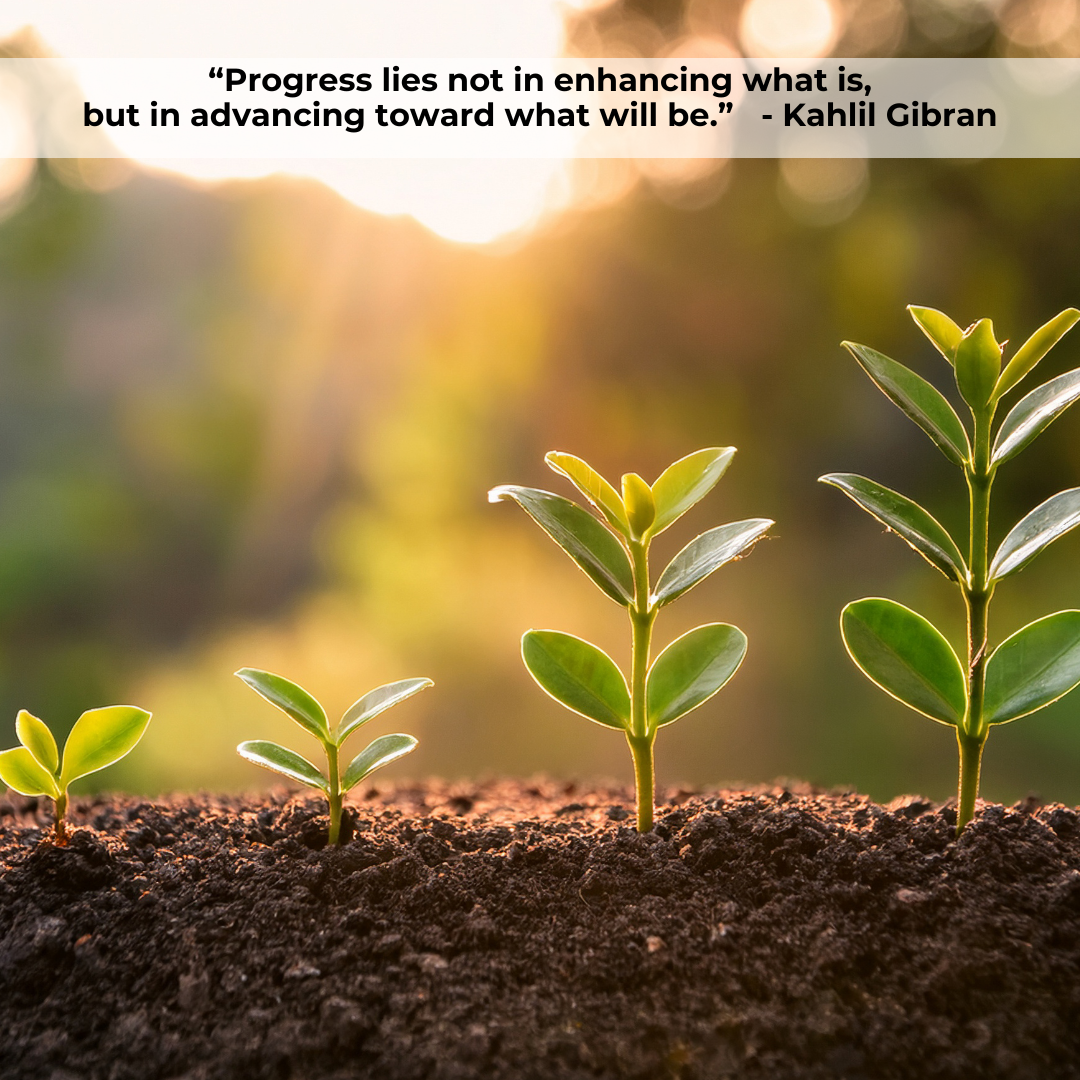
When Progress Doesn't Look Like Progress
Graduate work rarely follows a perfectly straight path. You may begin with one research question and discover a better one, try an approach that doesn't give you what you expected, or revise something you thought was nearly finished. In the moment, these experiences can feel like delays or even steps backward, but they can also be signs that your knowledge and understanding are developing.
Progress can look like:
- Realizing that a research question, method, or approach needs to change.
- Working through feedback and seeing your work from a different perspective.
- Solving a problem that has been slowing you down.
- Developing a deeper understanding of an idea, theory, or area of research.
- Knowing more about what to do next because of something you've just learned.
Sometimes the path changes because you know more now than you did when you started.
Notice What's Happening Beneath the Milestones
The accomplishments we tend to recognize are often the ones with clear outcomes: the paper is accepted, the presentation is finished, the course is complete, or the thesis is submitted. What is less visible is everything that made those outcomes possible.
Behind a strong presentation may be months of learning how to explain complex research clearly. Behind a completed chapter may be several rounds of feedback and revision. Behind an academic or professional opportunity may be skills, relationships, and experience developed gradually over time.
As you work toward your larger goals, consider what you're building along the way:
- Knowledge and expertise in your field.
- Research, writing, communication, teaching, or professional skills.
- Greater independence in making decisions and solving problems.
- Experience presenting, publishing, collaborating, or contributing to your field.
- A clearer sense of your interests and where you may want to go next.
Those developments are not separate from achievement. They are part of what makes the larger achievements possible.
Give the Middle Some Credit
Graduate school can make it easy to focus on what still needs to be done. Once one deadline or milestone is reached, attention quickly shifts to the next one.
There is value in occasionally recognizing the work happening in the middle.
Maybe the chapter isn't finished, but the argument is becoming clearer. The research isn't complete, but you've solved a difficult methodological problem. You haven't reached the next major milestone yet, but you're asking better questions, making more informed decisions, or becoming more confident in your work.
None of that means the larger goals stop mattering. It simply means you don't have to wait until the finish line to recognize that you're moving toward them.
Achievement Can Take More Than One Form
What counts as meaningful achievement will also depend on where you are in your graduate journey and what you're working toward. For one student, it may be completing a first graduate course or presenting research for the first time. For another, it might be submitting a manuscript, learning a new methodology, developing teaching experience, completing fieldwork, or preparing for the transition beyond graduate school.
There isn't one graduate experience, and there isn't one measure of progress.
As October unfolds, take a moment to consider not only what you're working toward, but also what is already happening because you're doing the work.
The milestone matters. So does everything you're learning, developing, and figuring out on the way there.
Stay tuned for next month's feature — Engaging: Finding What Draws You In. We'll explore how curiosity, participation, and choosing opportunities that genuinely interest you can add new experiences and perspectives to your graduate journey.
Reference: Coe-Nesbitt, H. A., Soleas, E. K., Moucessian, A. M., Arghash, N., & Kutsyuruba, B. (2021). Conceptualizing thriving: An exploration of students’ perceptions of positive functioning within graduate education. Frontiers in Education, 6, 704135.
September brings new energy to campus. For some, it is the beginning of graduate school and a chance to discover a new academic community. For returning students, it may mean reconnecting with research, coursework, colleagues, and goals after a summer spent working, studying, conducting research—or taking a well-earned break.

The beginning of a new academic year is often filled with practical questions: What courses do I need? What deadlines are coming? What should I be working on next?
Those questions matter. But this quote invites us to consider another one:
What will spark your curiosity, interest, or growth this year?
As we begin another year of our Thriving in Graduate School series, we’ll continue exploring six areas that can help make graduate school not only successful, but meaningful: Achieving, Engaging, Connecting, Balancing, Enjoying, and Being.
Six Ways to Thrive This Year
Thriving will look different depending on who you are, where you are in your program, and what else is happening in your life. These six areas provide a way to think about the whole graduate experience:
- Achieving: What would meaningful progress look like for you this year? Consider the academic, professional, and personal goals that matter to you.
- Engaging: What interests or opportunities would you like to explore? A workshop, research project, conference, student group, or community experience could lead somewhere unexpected.
- Connecting: Who could make your journey richer? Building relationships with peers, supervisors, faculty, mentors, and your wider community can provide both support and new perspectives.
- Balancing: What will help make this year sustainable? Consider how graduate school fits alongside work, family, relationships, health, finances, rest, and the other parts of your life.
- Enjoying: What are you looking forward to? Graduate school has deadlines and challenges, but there can also be discovery, friendships, interesting conversations, accomplishments, and experiences worth enjoying along the way.
- Being: Who are you becoming through this experience? Graduate education can develop confidence, independence, adaptability, resourcefulness, and a clearer understanding of what matters to you.
You don't need to focus on all six at once. Different areas will become more important at different points in your journey.
Find Your Spark
For new students, this year will bring many firsts. Give yourself time to explore, ask questions, meet people, and discover what interests you.
If you're returning, think about what you've already learned—not only academically, but about yourself. What kept you interested last year? What helped when things became difficult? What would you like more of this year? What might you approach differently?
Your “spark” doesn't need to be a major research breakthrough or a life-changing goal. It might be:
- A question you can't stop thinking about.
- A research problem you want to understand better.
- A new skill you'd like to develop.
- A person or community you'd like to learn from.
- An opportunity that takes you beyond what you already know.
Sometimes one interesting question, conversation, connection, or opportunity can change the direction of an entire year.
More Than Checking the Boxes
There will always be requirements to complete in graduate school—courses, research, papers, exams, proposals, presentations, theses, dissertations, and deadlines. They are important parts of earning your degree.
But your graduate experience can be about more than completing the next requirement.
It can also be about discovering ideas that interest you, developing expertise, meeting people who challenge your thinking, contributing something meaningful, learning what you are capable of, and beginning to see where your knowledge might take you next.
That's the broader idea behind Thriving in Graduate School.
Throughout the coming year, we'll revisit each of the six areas with new ideas, practical strategies, resources, and opportunities to help you make the most of your graduate experience—wherever you happen to be in your journey.
As September begins, you don't need to know exactly where the year will take you.
Just pay attention to what lights the fire.
---------
Stay tuned for next month's feature — Achieving: Making Progress That Matters. We'll explore how to recognize progress, set meaningful priorities, and keep moving toward the goals that matter to you.
✨ Watch your inbox for GradDigest and follow us on social media for each new installment. We can’t wait to grow together.
Reference: Coe-Nesbitt, H. A., Soleas, E. K., Moucessian, A. M., Arghash, N., & Kutsyuruba, B. (2021, July). Conceptualizing thriving: An exploration of students’ perceptions of positive functioning within graduate education. In Frontiers in Education (Vol. 6, p. 704135). Frontiers Media SA. doi: 10.3389/feduc.2021.704135
August: Being – Reflecting, Resetting, and Looking Ahead
As summer begins to wind down, August is a natural time to reflect on the past few months and look toward what comes next. Your summer may have been filled with research, fieldwork, courses, summer employment, travel, family responsibilities—or perhaps you deliberately stepped away from graduate school and took some well-earned time off.
Whatever your summer looked like, it was part of your journey. Before moving into the next season, take a moment to recognize what you experienced, what you learned, and what you want to carry forward.
Take Stock of Your Summer
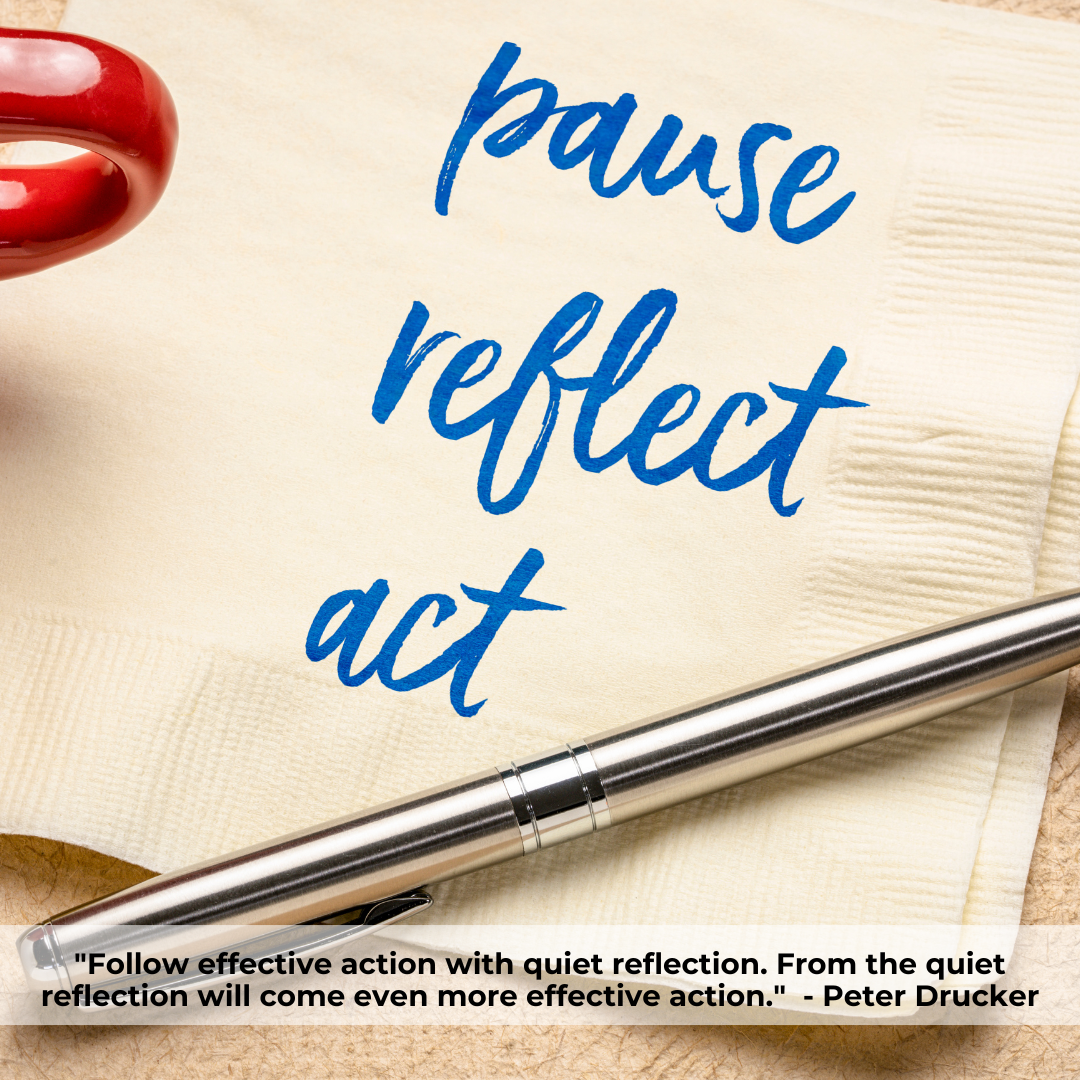
Summer success doesn't have one definition. Progress might mean completing a research milestone or gaining valuable work experience, but it can also mean exploring new interests, strengthening relationships, or simply having the time you needed to recharge.
As you look back, consider:
- What did you accomplish, experience, or enjoy?
- What surprised you about how your summer unfolded?
- What did you learn about yourself, your interests, or your priorities?
- What are you glad you made time for?
- What are you most proud of—even if it wasn't part of your original plan?
Your summer doesn't need to have been "productive" to have been valuable.
Recognize How You've Grown
Some of the most important growth isn't captured by a completed task or milestone. Research, employment, travel, rest, relationships, and everyday life can all teach us something about ourselves and help us develop skills we carry forward.
Maybe you've become more independent, adaptable, confident, or resourceful. Perhaps you've strengthened your communication and problem-solving skills, discovered a new career interest, or simply learned more about what helps you do your best work.
Ask yourself: What do I know now—about my work, my future, or myself—that I didn't know at the beginning of the summer?
Carry What Worked Forward
Before September arrives and routines become busy again, think about what worked well this summer. There may be habits, boundaries, relationships, or perspectives worth carrying into the next season.
Consider:
- What routines helped you feel focused or energized?
- What helped you maintain balance between responsibilities and life outside them?
- Which people or supports made a difference?
- What would you like to continue doing?
- What might you do differently next time?
You don't need to completely reinvent your routine for fall. Sometimes one small change based on what you've learned can make the months ahead easier.
Look Ahead to What's Next
For some, September means returning to classes, research, teaching, or another stage of graduate studies. For others, it may mean beginning a new job, continuing to build a career, or moving into an entirely new chapter after graduation.
Wherever you're headed, think about what you want the next season to look like—not only what you want to accomplish.
What do you want to prioritize? What support will you need? What do you want to make more time for? And what have you learned that can help you approach what's ahead with greater confidence?
Being is about recognizing who you are becoming through all of these experiences—more knowledgeable, adaptable, resourceful, and aware of what matters to you.
As summer comes to a close, take what you've learned with you. Whether you're returning to graduate school or stepping into something new, you aren't starting from scratch—you are moving forward with everything you've experienced, learned, and become along the way.
Stay tuned for next month’s feature — Thriving in Graduate School: Starting the Year Strong. As September brings a new academic year, we’ll welcome new and returning students and revisit the six keys to thriving—Achieving, Engaging, Connecting, Balancing, Enjoying, and Being—to help you start the year with purpose, connection, and momentum..
✨ Watch your inbox for GradDigest and follow us on social media for each new installment. We can’t wait to grow together.
Reference: Coe-Nesbitt, H. A., Soleas, E. K., Moucessian, A. M., Arghash, N., & Kutsyuruba, B. (2021, July). Conceptualizing thriving: An exploration of students’ perceptions of positive functioning within graduate education. In Frontiers in Education (Vol. 6, p. 704135). Frontiers Media SA. doi: 10.3389/feduc.2021.704135
Enjoying – Making the Most of Summer
By July, summer responsibilities are often in full swing. You may be deep into research, balancing a summer job, taking courses, or all three - on top of family commitments and maybe taking a much deserved break or holiday.
When there's always another task waiting, it's easy to move from one day to the next without noticing your progress or making time to enjoy the season.
Enjoying graduate school doesn't mean loving every moment. It means finding practical ways to make the journey more sustainable and rewarding.
✅ Celebrate Progress—Even Small Wins
Graduate school progress often happens quietly. Instead of waiting for major milestones, take time to recognize smaller accomplishments.
Consider keeping a "done list" and recording things like:
- Completing a chapter or literature review
- Receiving helpful feedback
- Reaching a personal or professional goal
Acknowledging progress can help maintain motivation during long projects.
In July -- need some quiet writing time? Join the Thesis Jumpstart 2-day Writing Retreat.
✅ Make Time to Step Away
Taking breaks aren't wasted time—they can improve focus and creativity.
Try:
- Taking lunch away from your desk
- Going for a short walk between tasks
- Working outside when possible
- Scheduling one evening each week with no academic work
Even small breaks can help prevent burnout and restore energy.
✅ Balance Summer Responsibilities and Family Life
For graduate students with children, summer can bring both joy and new challenges. While school may be out, research, classes, and work often continue.
Remember that summer routines may need to look different. Consider:
- Adjusting expectations and setting realistic goals.
- Working during times when children are occupied or asleep.
- Sharing responsibilities with partners, family members, or support networks when possible.
- Planning family activities and downtime alongside work commitments.
Not every summer day needs to be perfectly productive. Sometimes success means accomplishing what matters most while also creating memories and enjoying time together.
✅ Connect Your Summer Work to Your Future Goals
Whether you're conducting research, taking courses, or working a summer job, ask yourself:
- What skills am I developing?
- What experiences can I add to my CV or LinkedIn profile?
- How does this experience connect to my future career goals?
Seeing the bigger picture can make day-to-day tasks feel more meaningful.
 ✅ Enjoy Summer, Not Just Survive It
Summer doesn't last forever.
Make time for the things that bring you joy:
- Spend time with friends and family.
- Explore local events and festivals.
- Get outside and enjoy the longer days.
- Reconnect with hobbies and interests outside of graduate school.
- Celebrate milestones, both academic and personal.
You don't have to earn rest or enjoyment by finishing everything on your to-do list.
Graduate school is a marathon, not a sprint. By recognizing your progress, making space to recharge, and embracing the unique opportunities that summer brings, you can return to the fall term feeling energized and ready for what's ahead.
Stay tuned for next month's feature — Being – Reflecting on Summer Growth and Preparing for the Fall Semester. As summer winds down, we'll explore how to reflect on your experiences, recognize your growth, and prepare for a successful transition into the new academic year.
✨ Watch your inbox for GradDigest and follow us on social media for each new installment. We can’t wait to grow together.
Reference: Coe-Nesbitt, H. A., Soleas, E. K., Moucessian, A. M., Arghash, N., & Kutsyuruba, B. (2021, July). Conceptualizing thriving: An exploration of students’ perceptions of positive functioning within graduate education. In Frontiers in Education (Vol. 6, p. 704135). Frontiers Media SA. doi: 10.3389/feduc.2021.704135
Connecting – Building Support During Research and Work
Summer can feel isolating—especially if you’re working independently on research or off-campus in a job.
Staying connected during this time is not always automatic—it often takes intention.
✅ Staying Connected to Your Research Community
If you’re focused on research this summer:
- Schedule regular check-ins with your supervisor
- Share updates, even if progress feels slow
- Ask questions early rather than waiting
Connection supports momentum.
 ✅ Building Relationships Through Work
If you’re in a summer job or internship:
- Take time to get to know colleagues
- Ask about their career paths
- Look for opportunities to learn beyond your immediate role
These experiences can shape your future direction.
✅ Maintaining Peer Connections
Even if your peers are scattered:
- Set up virtual writing or accountability sessions
- Check in informally
- Share progress and challenges
You’re not the only one navigating this.
✅ Connecting Across Both Worlds
Summer is a unique time where academic and professional worlds often overlap. You may be:
- Applying research skills in a workplace
- Exploring career paths
- Building networks outside your program
These connections matter.
✅ Don't Forget Time for Friends & Family
Staying connected with your friends and family helps along the way.
- Meet for coffee with friends and share what's been happening
- Plan an activity with your family
- Plan a day for self-care, rest and relaxation.
Taking time to reset and meet with those you care about is important too.
Even in a quieter season, connection remains a key part of thriving. A few intentional conversations can make a big difference.
Stay tuned for next month's feature — Enjoying – Finding Meaning in Work, Research, and Study — July marks the half way point of summer - and whether your summer means rest, work, research, or continuing your studies. Even in a busy summer, there is space to find meaning and moments of enjoyment.
✨ Watch your inbox for GradDigest and follow us on social media for each new installment. We can’t wait to grow together.
Reference: Coe-Nesbitt, H. A., Soleas, E. K., Moucessian, A. M., Arghash, N., & Kutsyuruba, B. (2021, July). Conceptualizing thriving: An exploration of students’ perceptions of positive functioning within graduate education. In Frontiers in Education (Vol. 6, p. 704135). Frontiers Media SA. doi: 10.3389/feduc.2021.704135
Balancing – Managing Summer Work, Study, and Life
Summer in graduate school often isn’t a break—it’s a shift.
You might be starting a full-time research phase, taking spring courses, working a summer job, or balancing a combination of all three. Without the structure of a regular semester, it can feel like everything is happening at once.
Balancing in the summer is about managing competing priorities in a way that is realistic and sustainable.
✅ Navigating Multiple Roles
Many graduate students move between roles throughout the day—researcher, student, employee.
Instead of trying to treat everything equally, consider:
- What must get done this week?
- What can be flexible?
- Where do you need to protect focused time?
Clarity helps reduce overwhelm.
 ✅ Creating a Flexible Structure
Summer schedules can vary week to week. A light structure can help:
- Set 2–3 priority tasks per day
- Block time for research or coursework
- Build in transition time between roles
Even a loose plan can make your days feel more manageable.
✅ Being Realistic About Capacity
If you’re working while studying or doing research, your capacity is not unlimited.
Progress may look different in the summer—and that’s okay.
✅ Protecting Time to Recharge
Balancing isn’t just about productivity.
Rest, time outside, and stepping away from your work are essential to maintaining momentum over the long term.
There’s no single “right” way to structure your summer.
What matters is finding a balance that supports both your responsibilities and your well-being.
Stay tuned for next month's feature — Connecting – Building Support During Research and Work — May marks a shift in pace with longer days and warmer weather — and whether your summer means rest, work, research, or continuing your studies, this month we're inviting you to pause and think intentionally about how you want to thrive in the season ahead.
✨ Watch your inbox for GradDigest and follow us on social media for each new installment. We can’t wait to grow together.
Reference: Coe-Nesbitt, H. A., Soleas, E. K., Moucessian, A. M., Arghash, N., & Kutsyuruba, B. (2021, July). Conceptualizing thriving: An exploration of students’ perceptions of positive functioning within graduate education. In Frontiers in Education (Vol. 6, p. 704135). Frontiers Media SA. doi: 10.3389/feduc.2021.704135
Back in September, we launched Thriving in Graduate School with one simple idea: graduate school is more than a degree- it’s a season of growth, challenge, and transformation. Over the past several months, we’ve explored six key principles that support not only academic success, but a more fulfilling, balanced, and connected graduate experience.
 From October through March, you’ve walked with us through:
Achieving – setting goals, building momentum, and reaching milestones
Engaging – showing up fully in your learning and community
Connecting – building relationships that support and sustain you
Balancing – navigating work, life, and well-being
Enjoying – finding joy in the journey, even in busy seasons
Being – growing confidence, resilience, and purpose
Together, these six principles tell a powerful story: thriving in graduate school isn’t about doing everything perfectly—it’s about growing intentionally, learning from challenges, and becoming the person you’re meant to be along the way.
For Those Who Are Graduating
As you prepare to cross the stage and step into what comes next, this series reminds us that the most important outcomes of graduate school aren’t only the credentials you’ve earned—but the skills, mindset, and confidence you’re taking with you.
You leave with:
- the ability to set goals and adapt when plans change,
- the courage to engage and contribute your voice,
- the relationships that will continue to support you,
- the awareness to protect your well-being,
- the wisdom to find joy even in demanding seasons, and
- the resilience to face what’s ahead with confidence.
Wherever your next chapter leads—academia, industry, community work, or something entirely new—these six principles will travel with you.
For Those Continuing Their Graduate Journey
If your path continues into next year, this series doesn’t end — it becomes part of your rhythm.
Each fall, from September through April, we’ll return to these six thriving principles as a way to anchor the academic year: helping new students find their footing, supporting returning students as they move into deeper stages of their work, and creating a shared language for what it means to thrive in graduate school.
And starting this year, we’ll carry that momentum forward through the summer as well. From May through August, you’ll see a complementary series focused on thriving in the summer season — whether that means research, writing, teaching, fieldwork, professional development, or simply finding balance in a different academic pace.
For you, this means:
- each year offers a chance to revisit your Achieving goals with fresh perspective,
- to find new ways of Engaging as your role evolves,
- to deepen your Connections as you move from newcomer to mentor,
- to strengthen your Balancing strategies as responsibilities shift,
- to protect space for Enjoying the journey — even in the busiest seasons,
- and to continue growing in Being — confidence, purpose, and resilience.
Thriving isn’t a one-time lesson. It’s a practice you return to again and again, shaped by where you are in your graduate journey.
Looking Ahead
As this academic year comes to a close, we hope Thriving in Graduate School has offered more than advice. We hope it has created space for reflection, encouraged meaningful conversations, and reminded you that thriving is something we build together — as a community.
Whether you are celebrating graduation, continuing your studies, or transitioning into a summer rhythm, take a moment to recognize how far you’ve come. Growth often happens quietly, but it deserves to be seen and honored.
This series will be here again in the fall. And it will carry on through the summer. Because thriving isn’t tied to a single term — it’s a way of approaching your entire graduate experience.
Thank you for being part of this journey. Wherever your next steps take you, may these six principles continue to guide you — in your studies, in your life, and in who you are becoming.
Here’s to everything you’ve achieved — and everything still ahead.
Stay tuned for next month's feature — Your Summer, Your Way: Thriving in the Season Ahead — May marks a shift in pace with longer days and warmer weather — and whether your summer means rest, work, research, or continuing your studies, this month we're inviting you to pause and think intentionally about how you want to thrive in the season ahead.
✨ Watch your inbox for GradDigest and follow us on social media for each new installment. We can’t wait to grow together.
Reference: Coe-Nesbitt, H. A., Soleas, E. K., Moucessian, A. M., Arghash, N., & Kutsyuruba, B. (2021, July). Conceptualizing thriving: An exploration of students’ perceptions of positive functioning within graduate education. In Frontiers in Education (Vol. 6, p. 704135). Frontiers Media SA. doi: 10.3389/feduc.2021.704135
Graduate school is not just about academic achievements or career preparation—it’s also a time for personal growth and self-discovery. By focusing on who you are becoming throughout the process, you can emerge as a confident, adaptable, and well-rounded individual. This article delves into how graduate school can help you develop your best self and how you can actively shape that growth.
1. Building Confidence and Defining Your Purpose
Believing in your abilities and having a clear sense of direction are critical to thriving in graduate school. Confidence and purpose empower you to navigate challenges and make meaningful contributions.
Cultivating Confidence:
- Acknowledge Strengths: Regularly remind yourself of your achievements, skills, and unique qualities.
- Step Outside Your Comfort Zone: Growth often happens when you face new challenges, such as presenting at conferences or leading a project.
- Practice Self-Affirmation: Replace self-doubt with positive affirmations about your capabilities.
Defining Your Purpose:
- Reflect on your motivations and long-term goals—what impact do you want your work to have on your field or the world?
- Use your purpose as a guide to prioritize tasks and make decisions that align with your vision.
2. Embracing Adaptability and Resilience
Graduate school is full of uncertainties, from unexpected research results to shifting timelines. Developing adaptability and resilience helps you face these challenges head-on.
How to Cultivate Adaptability:
- Be Open to Change: Stay flexible and willing to adjust your methods or plans when faced with obstacles.
- Seek Feedback: View constructive criticism as a chance to grow rather than a setback.
- Expand Your Skill Set: Learn new tools or methodologies that can enhance your research and problem-solving abilities.
Building Resilience:
- Develop a Growth Mindset: Focus on learning from setbacks rather than being discouraged by them.
- Find Silver Linings: Look for opportunities within challenges, such as unexpected learning experiences.
- Lean on Your Support System: Share struggles with peers, mentors, or advisors to gain perspective and encouragement.

3. Identifying and Developing Skills
Graduate school offers countless opportunities to refine existing skills and acquire new ones. From technical expertise to soft skills, the development you undergo will serve you in all areas of life.
Areas for Growth:
- Research and Analytical Skills: Learn to critically evaluate information and conduct rigorous studies.
- Communication Skills: Practice explaining complex ideas clearly to diverse audiences, both in writing and verbally.
- Leadership and Collaboration: Take on roles that allow you to manage teams or collaborate on interdisciplinary projects.
- Time and Project Management: Develop strategies to juggle competing priorities and meet deadlines efficiently.
Be Proactive About Development:
- Attend workshops, seminars, and training sessions offered by your faculty, FGSR or UR.
- Seek mentorship from experienced professionals who can guide your growth.
- Reflect regularly on areas where you want to improve and set actionable goals.
4. Maintaining Optimism for the Future
Graduate school is a stepping stone to your future aspirations. Staying optimistic and motivated can help you navigate challenges with a positive outlook.
Staying Inspired:
- Visualize Success: Regularly picture yourself achieving your goals and the impact your work will have.
- Celebrate Progress: Recognize each step you take as a valuable part of the journey.
- Stay Curious: Keep exploring new ideas, projects, and opportunities that align with your passion.
Avoid Burnout:
- Balance your optimism with realistic expectations to avoid overloading yourself.
- Remember that setbacks are part of the process and don’t define your potential.
Conclusion: Becoming Your Best Self
Graduate school is a transformative period that shapes not only your academic and professional trajectory but also your personal growth. By focusing on confidence, resilience, skill development, and optimism, you can emerge as a stronger, more self-aware individual.
Remember, the journey is as important as the destination. Embrace the process of becoming your best self, and use this time to develop a foundation that will support your future successes—academically, professionally, and personally.
Stay tuned for next month's feature — Thriving in Graduate School: A Year of Growth, Reflection, and What Comes Next — where you'll reflect on your journey - thriving in graduate school isn’t about doing everything perfectly—it’s about growing intentionally, learning from challenges, and becoming the person you’re meant to be along the way.
✨ Watch your inbox for GradDigest and follow us on social media for each new installment. We can’t wait to grow together.
Reference: Coe-Nesbitt, H. A., Soleas, E. K., Moucessian, A. M., Arghash, N., & Kutsyuruba, B. (2021, July). Conceptualizing thriving: An exploration of students’ perceptions of positive functioning within graduate education. In Frontiers in Education (Vol. 6, p. 704135). Frontiers Media SA. doi: 10.3389/feduc.2021.704135
Graduate school is often seen as a challenging and high-pressure environment, but it’s also an incredibly rewarding chapter of life. By embracing the journey and finding joy along the way, you can maintain motivation and create a positive experience. This post explores how to cultivate enjoyment and fulfillment throughout your graduate studies.
1. Finding Joy in Your Academic Journey - Graduate school is an opportunity to explore your passions and make meaningful contributions to your field. By shifting your mindset and focusing on the positives, you can enhance your overall experience.
Tips for Finding Joy:
- Celebrate Curiosity: Embrace the chance to dive deep into topics that excite you.
- Acknowledge Progress: Take time to reflect on how far you’ve come, from mastering new concepts to completing major milestones.
- Seek Inspiration: Attend talks, conferences, or networking events to reinvigorate your enthusiasm for your research. This month, take part in the 3MT Competition or the INSPIRE Research Symposium to provide the conference experience or to share your research with a broader audience.
Reframe Challenges: Instead of viewing obstacles as burdens, see them as opportunities to grow and learn.
2. Managing Stress: Staying Calm Under Pressure - Stress is a common part of graduate school, but it doesn’t have to dominate your experience. Learning to manage stress effectively can help you maintain balance and stay focused.
Stress Management Strategies:
- Practice Self-Care: Dedicate time to activities that rejuvenate you, such as hobbies, exercise, or spending time with loved ones.
- Breathe Through Stress: Incorporate mindfulness or breathing exercises to stay grounded during challenging moments.
- Create Boundaries: Set clear limits on work hours to prevent burnout and protect your personal time.
Seek Support: If stress becomes overwhelming, don’t hesitate to reach out to counselors, peers, or mentors for guidance and reassurance. At the UR, visit Student Mental Health for support with your mental wellness goals, including URWell Webinars for tools and resources to help you invest in your mental, physical, and academic wellness!.
 3. Rekindling Passion and Enthusiasm - The initial excitement of graduate school can sometimes wane under the weight of deadlines and expectations. Reconnecting with your passion can reignite your sense of purpose.
How to Rekindle Your Passion:
- Reflect on Your Why: Remind yourself why you chose your field of study and what you hope to achieve.
- Set New Goals: Break your work into smaller, meaningful goals to keep your motivation alive.
- Diversify Your Interests: Explore related topics or interdisciplinary opportunities to keep your work fresh and engaging. Or find a non-academic interest to try or go back to a hobby that you use to enjoy.
Connect with Others: Talking to peers who share your enthusiasm can reignite your energy and provide fresh perspectives. This month, take part in the 3MT Competition or the INSPIRE Research Symposium to renew your passion in your research or studies, or join us for GradNight on the first Wednesday to connect with fellow grad students.
4. Building Daily Happiness: Small Practices for Big Impact - Happiness is often found in the small moments. By cultivating daily habits, you can maintain a positive outlook and enjoy the journey.
Daily Practices for Positivity:
- Gratitude Journaling: Write down three things you’re grateful for each day to shift your focus toward the positives.
- Celebrate Wins: Whether it’s finishing a paragraph or submitting a paper, acknowledge your achievements.
- Stay Present: Avoid overthinking the future by practicing mindfulness and focusing on the moment.
- Create Rituals: Establish routines that bring you joy, like a morning coffee ritual or a mid-afternoon walk.
Celebrate Milestones: From submitting a proposal to passing an exam, take time to mark your successes with friends, family, or treats for yourself. Celebrate your success with friends & family, share your success with FGSR, or celebrate the success of your fellow grad students.
Conclusion: Embrace the Joy of Graduate School
While graduate school comes with its challenges, it’s also a time of discovery, growth, and accomplishment. By actively seeking joy in your work, managing stress, reigniting your passion, and practicing gratitude, you can transform your graduate school experience into a fulfilling and enjoyable journey.
Remember, graduate school isn’t just a means to an end—it’s a unique period of exploration and self-development. Embrace it fully and make the most of every moment.
Stay tuned for next month's feature — Being: Developing Your Best Self in Graduate School — where you'll explore how to cultivate enjoyment and fulfillment throughout your graduate studies.
Let’s make this year one where you thrive—in your studies, in your life, and in who you are becoming.
✨ Watch your inbox for GradDigest and follow us on social media for each new installment. We can’t wait to grow together.
Reference: Coe-Nesbitt, H. A., Soleas, E. K., Moucessian, A. M., Arghash, N., & Kutsyuruba, B. (2021, July). Conceptualizing thriving: An exploration of students’ perceptions of positive functioning within graduate education. In Frontiers in Education (Vol. 6, p. 704135). Frontiers Media SA. doi: 10.3389/feduc.2021.704135
Graduate school demands a great deal of time and energy, often leaving students juggling coursework, research, and personal responsibilities. Finding balance is not just a matter of productivity—it’s about sustaining your well-being, maintaining relationships, and thriving in the long run.
In this post, we’ll explore actionable strategies for achieving harmony between your academic commitments and personal life.
Time Management Tips:
- Plan Ahead: Use digital calendars or planners to track deadlines, meetings, and personal events such as time with friends and family.
- Set Priorities: Identify the most important tasks each day and focus on completing them first.
- Break It Down: Divide large projects into smaller, manageable tasks to avoid feeling overwhelmed.
- Use Time Blocks: Allocate specific times for research, writing, relaxation and friends & family to maintain structure. Once it's in your schedule, do your best to honor those time commitments.
- Don’t overcommit to projects or activities that could overload your schedule.
- Be flexible—leave room for unexpected events or adjustments.
 2. Supporting Holistic Well-Being: Your Health Comes First - Your mental, physical, and emotional health are crucial for long-term success. Graduate school is demanding, but neglecting your well-being can lead to burnout.
Tips for Staying Healthy:
- Exercise Regularly: Incorporate physical activity into your routine, whether it’s yoga, running, or a quick walk. If you do this with friends, you can support each other.
- Eat Well: Prioritize balanced meals and snacks to maintain energy and focus. Planning and mkaing meals with your family gives you time with your family and helps you stay on budget.
- Get Enough Sleep: Aim for 7–8 hours of rest to support cognitive function and mood.
- Take Breaks: Short, frequent breaks during study sessions can boost productivity. Try variations of the Pomodoro Technique, to find what works best for you.
- Seek support if you’re feeling overwhelmed—many universities offer counseling services. Visit the UR Student Wellness Centre for support.
- Practice mindfulness or meditation to reduce stress.
Strategies for Financial Stability:
- Apply for Funding: Explore scholarships, grants, and research assistantships to supplement your income.
- Budget Wisely: Track your expenses and prioritize essentials like rent, food, and tuition. Watch the Dollars & Sense video for tips.
- Cut Costs: Look for student discounts, affordable housing, and meal-prep options.
- Plan for Emergencies: Set aside a small portion of your income for unexpected expenses.
Resources:
Many universities offer financial planning workshops or advisors who can help you navigate funding options. Check out the FGSR Financial Planning Series of workshops on managing debt and planning your taxes this term.
How to Build Resilience:
- Recognize Imbalance: Pay attention to signs of burnout, such as chronic fatigue or loss of motivation.
- Ask for Help: Lean on your support network, whether it’s friends, family, or mentors. If your supervisor or faculty cannot resolve any academic issues, please reach out to FGSR for assistance.
- Reflect and Adjust: If a strategy isn’t working, don’t hesitate to change course.
- Celebrate Small Wins: Acknowledge and appreciate your progress, no matter how small.
- Instead of seeing obstacles as failures, view them as chances to learn and grow.
Conclusion: Striking the Right Balance - Balancing the demands of graduate school with your personal life is no easy task, but it’s a skill that will serve you far beyond academia. By mastering time management, prioritizing well-being, maintaining financial stability, and building resilience, you can create a harmonious and fulfilling lifestyle.
Remember, balance is not about doing everything perfectly—it’s about finding what works for you and making intentional choices that align with your goals and values.
Stay tuned for next month's feature — Enjoying: Embracing the Journey of Graduate School — where you'll explore how to cultivate enjoyment and fulfillment throughout your graduate studies.
Let’s make this year one where you thrive—in your studies, in your life, and in who you are becoming.✨ Watch your inbox for GradDigest and follow us on social media for each new installment. We can’t wait to grow together.
Reference: Coe-Nesbitt, H. A., Soleas, E. K., Moucessian, A. M., Arghash, N., & Kutsyuruba, B. (2021, July). Conceptualizing thriving: An exploration of students’ perceptions of positive functioning within graduate education. In Frontiers in Education (Vol. 6, p. 704135). Frontiers Media SA. doi: 10.3389/feduc.2021.704135
Graduate school is more than a degree—it’s a season of growth, challenge, and discovery. But it can also be demanding, with coursework, research, and life all competing for your time.
Connecting: Building Your Support Network
Graduate school is a challenging yet rewarding journey that becomes much more manageable with the right connections. Your support network—peers, mentors, faculty, and even friends outside academia—plays a crucial role in your success. Connecting is about fostering relationships that provide encouragement, guidance, and collaboration opportunities.
✅ Fostering Relationships: Building a Foundation of Support
Strong, positive relationships are the backbone of a successful graduate experience. Whether it’s with classmates, lab partners, or professors, investing time in building connections can pay off in many ways.
How to Build Relationships:
- Be Approachable: Introduce yourself to classmates and faculty during the first few weeks of your program. A friendly, open attitude goes a long way.
- Be a Team Player: Collaborate on group projects, participate in study groups, and help peers when you can.
- Attend Events: Networking sessions, workshops, and departmental gatherings are excellent places to meet like-minded individuals.
Why It Matters:
- Relationships provide emotional support during stressful times.
- A strong network can offer academic and career opportunities.
✅ Supervisor Support: Cultivating a Productive Relationship
Your supervisor is a cornerstone of your graduate journey. A positive and productive relationship with them can greatly enhance your experience.
Building a Healthy Supervisor Relationship:
- Set Clear Expectations: Discuss your goals, timelines, and preferred communication methods early on.
- Communicate Regularly: Schedule consistent meetings to review progress, address challenges, and seek feedback.
- Show Initiative: Demonstrate your dedication by taking ownership of your research and being proactive.
When Challenges Arise:
- Address issues respectfully and professionally.
- Seek advice from peers or departmental advisors if conflicts persist.
✅ Building a Network: Accessing Resources and Mentorship
Graduate school offers a wealth of opportunities to grow your professional network. By building connections across your department, university, and field, you can access valuable resources and mentorship.
Practical Networking Tips:
- Join Professional Organizations: Membership in field-specific associations can connect you with experts and peers globally.
- Use Online Platforms: LinkedIn, ResearchGate, and academic Twitter are great for staying updated and reaching out to others in your field.
- Participate in Conferences: Present your work, attend panels, and engage with other attendees.
The Power of Mentorship:
Seek mentors who can guide your academic and career development. Mentors can be faculty members, senior students, or professionals in your field.
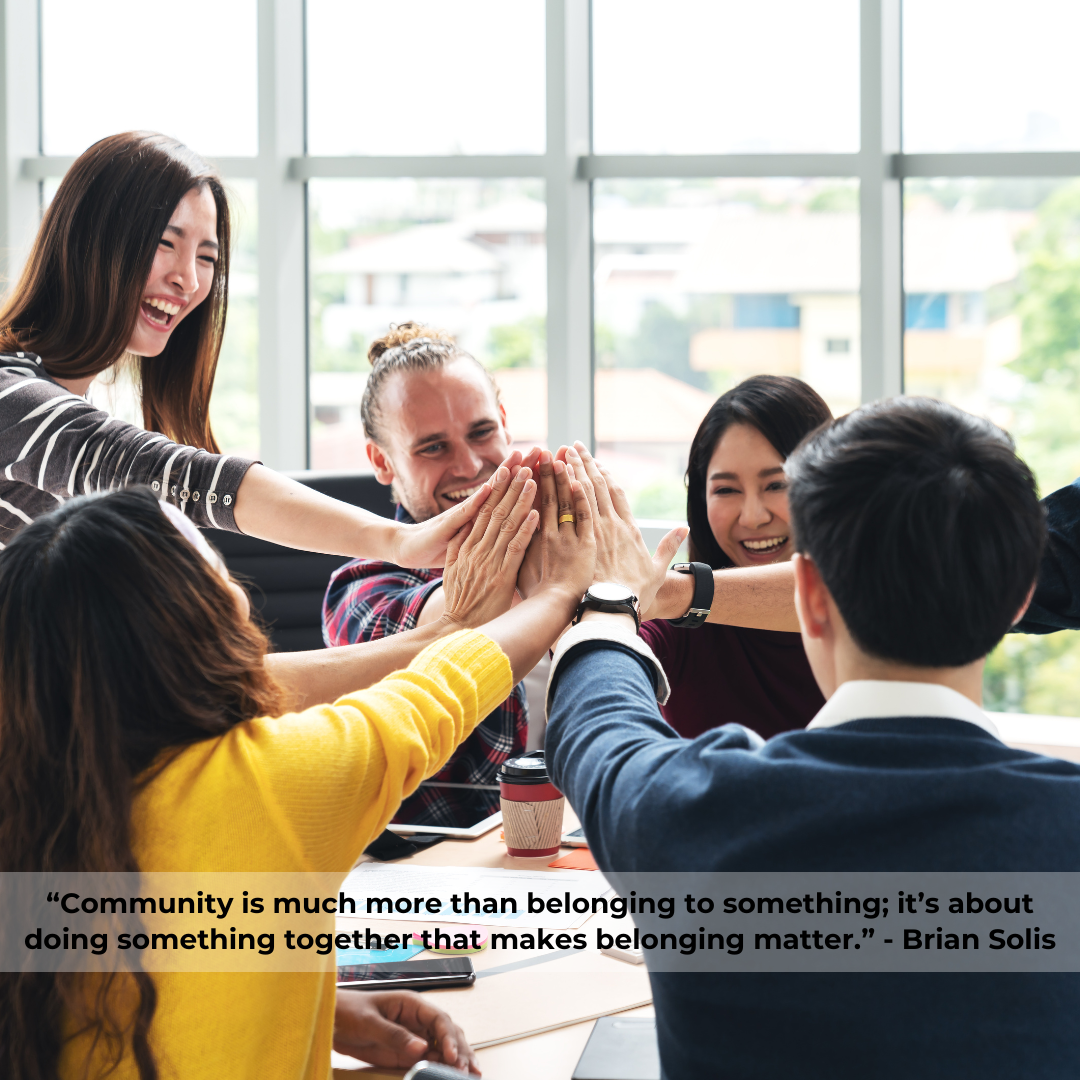 ✅ Cultivating Belonging: Creating a Supportive Community
Feeling like you belong is essential for well-being and success in graduate school. By contributing to a positive departmental culture and celebrating diversity, you can help create an inclusive and supportive environment.
How to Cultivate Belonging:
- Celebrate Diversity: Appreciate and learn from the diverse perspectives of your peers.
- Be Inclusive: Foster an atmosphere of respect and encouragement in your interactions.
- Support Others: Offer help to fellow students and recognize their achievements.
Why It’s Important:
- A sense of belonging boosts confidence and motivation.
- It fosters a collaborative environment where everyone thrives.
Conclusion: Strengthening Your Connections
Graduate school is not a solo endeavor; it’s a collective journey enriched by the connections you build. Strong relationships with peers, mentors, and your supervisor can provide the encouragement and guidance needed to overcome challenges and seize opportunities.
Remember, connections don’t just happen—they require effort, patience, and mutual respect. By investing in your network, you create a supportive community that uplifts you and amplifies your success.
Stay tuned for next month's feature — Balancing: Navigating Work and Life in Graduate School — where you'll explore actionable strategies for achieving harmony between your academic commitments and personal life.
Let’s make this year one where you thrive—in your studies, in your life, and in who you are becoming.
✨ Watch your inbox for GradDigest and follow us on social media for each new installment. We can’t wait to grow together.
Reference: Coe-Nesbitt, H. A., Soleas, E. K., Moucessian, A. M., Arghash, N., & Kutsyuruba, B. (2021, July). Conceptualizing thriving: An exploration of students’ perceptions of positive functioning within graduate education. In Frontiers in Education (Vol. 6, p. 704135). Frontiers Media SA. doi: 10.3389/feduc.2021.704135
Graduate school is more than a degree—it’s a season of growth, challenge, and discovery. But it can also be demanding, with coursework, research, and life all competing for your time.
 Engaging: Becoming an Active Participant
Success in graduate school doesn’t just come from completing assignments—it comes from being an active participant in your academic community. Engagement is key to your development as a scholar and a person, and here’s how you can embrace it in all areas of your graduate life.
✅ In the Classroom and Beyond:
Show up to class, seminars, and events with an open mind. Being an active participant doesn’t just mean attending—engage with the material, ask questions, and join in class discussions. This active involvement will deepen your learning and allow you to make connections with professors and fellow students.
✅ Research and Projects:
Your research is the heart of your graduate work, so it’s essential to be fully engaged. Dive deeply into your research, keep refining your hypotheses, and seek feedback from your advisors and peers. Participate in departmental research groups and projects to gain new perspectives and improve your skills. Join FGSR's Thesis Jumpstart or Thesis Thursdays for time to write and ask for any support on writing our thesis, visit Thesis, Project and Practicum.
✅ Community Involvement:
Graduate school isn’t just about what happens in the classroom or lab. Get involved in campus organizations, committees, and social events to expand your network and contribute to your university community. These opportunities will help you develop your leadership skills, collaborate with others, and make lasting friendships.
✅ Expanding Your Horizons:
Engagement isn’t confined to campus. Seek out opportunities to contribute to community projects, join professional networks, or engage with alumni. This will expand your perspective and help you build relationships that can be beneficial to your career. Join GATE's Entrepreneurship Week to learn more about starting a business and meet potential partners. For all the details, visit GATE here.
Stay tuned for next month's feature — Connecting: Building Your Support Network —where you'll discover ways to dive into your research, your program, and your community. Engagement fuels learning, builds confidence, and helps you feel connected to something bigger.
Let’s make this year one where you thrive—in your studies, in your life, and in who you are becoming.
✨ Watch your inbox for GradDigest and follow us on social media for each new installment. We can’t wait to grow together.
Reference: Coe-Nesbitt, H. A., Soleas, E. K., Moucessian, A. M., Arghash, N., & Kutsyuruba, B. (2021, July). Conceptualizing thriving: An exploration of students’ perceptions of positive functioning within graduate education. In Frontiers in Education (Vol. 6, p. 704135). Frontiers Media SA. doi: 10.3389/feduc.2021.704135
Graduate school is more than a degree—it’s a season of growth, challenge, and discovery. But it can also be demanding, with coursework, research, and life all competing for your time.
 Achieving: Progressing Toward Your Goals
Graduate school is a journey that requires more than just hard work—it’s about making consistent progress toward your goals. Whether you’re writing your thesis, preparing for comprehensive exams, or getting ready to submit a paper, each step is a part of your academic and personal growth. Here’s how to stay on track and continue progressing toward success.
✅ Setting and Meeting Goals:
The first step to success is setting clear, realistic goals. Graduate school comes with many milestones—completing your coursework, writing your thesis, attending conferences, and publishing your research. Learn to break down these large goals into smaller, manageable tasks and prioritize them according to deadlines and importance. Regularly track your progress and adjust your plans when necessary. This approach will not only help you stay organized but will also reduce the stress of last-minute scrambling. And if you are getting close to completion, remember to schedule your thesis submission or your application to graduate.
✅ Excelling Academically:
Achieving academic excellence is about more than just getting good grades—it’s about mastering your field. Stay organized with your studies, prioritize tasks, and adopt active learning strategies to deepen your understanding. Don’t hesitate to reach out to professors for clarification or guidance, and take time to review your work critically. Academic excellence comes from continual effort and a mindset focused on mastering the content, not just memorizing it. Don't forget thesis submission deadlines! Join the FGSR's How to submit your thesis for defense session this month here.
✅ Making Your Mark:
Graduate school is your opportunity to shine. Attending conferences, publishing papers, and receiving academic recognition all contribute to your academic reputation. Look for opportunities to present your research at conferences or submit your work to journals. These experiences will help you build a strong professional network, improve your research skills, and open doors to future career opportunities. Join FGSR's Research Week by participating in the Student Showcase. For all the details, visit Research Week 2025 here.
✅ Career Readiness:
Graduate school isn’t just about academics; it’s also a time to develop skills that will help you succeed in your career. Seek out opportunities to teach, engage in career development workshops, and participate in internship programs. The skills you develop today—communication, leadership, and problem-solving—will be critical to your career post-graduation. Stay proactive in seeking out career opportunities and start preparing for life beyond the degree. Join GATE's Career Readiness Workshops this month to participate in November's Reverse Career Fair. For all the details, visit GATE here.
Stay tuned for next month's feature —Engaging: Becoming an Active Participant—where you'll discover ways to dive into your research, your program, and your community. Engagement fuels learning, builds confidence, and helps you feel connected to something bigger.
Let’s make this year one where you thrive—in your studies, in your life, and in who you are becoming.
✨ Watch your inbox and follow us on social media for each new installment. We can’t wait to grow together.
Reference: Coe-Nesbitt, H. A., Soleas, E. K., Moucessian, A. M., Arghash, N., & Kutsyuruba, B. (2021, July). Conceptualizing thriving: An exploration of students’ perceptions of positive functioning within graduate education. In Frontiers in Education (Vol. 6, p. 704135). Frontiers Media SA. doi: 10.3389/feduc.2021.704135
Thriving in Graduate School: Your Guide to Success, Balance, and Fulfillment
 Graduate school is more than just a degree. It’s a time of discovery, growth, and challenge—a season where you learn as much about yourself as you do about your discipline. But let’s be honest: it’s also demanding. You’re juggling coursework, research, relationships, and your own well-being, often all at once.
That’s why we’re excited to introduce our new monthly series: Thriving in Graduate School.
Over the coming months, we’ll explore six essential pillars that can help you not just survive grad school—but thrive in every sense of the word. Each pillar offers strategies, inspiration, and practical tips to support you along the way.
The Six Keys to Thriving
Here’s a preview of what we’ll cover:
✅ Achieving – Progressing Toward Your Goals
Learn how to set meaningful goals, stay motivated, and build the habits that help you reach important milestones—from completing your thesis to preparing for your career after graduation.
✅ Engaging – Becoming an Active Participant
Discover ways to dive into your research, your program, and your community. Engagement fuels learning, builds confidence, and helps you feel connected to something bigger.
✅ Connecting – Building Your Support Network
Strong relationships with peers, mentors, and faculty can make all the difference. We’ll share ideas for developing meaningful connections and a sense of belonging in your academic life.
✅ Balancing – Navigating Work and Life
Balance is the foundation for sustainable success. You’ll find tips on managing your time, maintaining your health, and caring for yourself alongside your academic commitments.
✅ Enjoying – Embracing the Journey
It’s easy to get caught up in deadlines and pressure. We’ll explore how to find joy in learning, celebrate small wins, and stay inspired by your passion for your field.
✅ Being – Developing Your Best Self
Your mindset matters. We’ll look at how to build resilience, confidence, and purpose so you feel prepared for whatever comes next.
For September, join Welcome Week activities—like FGSR BINGO or Grad Night with GATE—to kick off the term, meet new people, and start strong.
What’s Next? Every month, we’ll dive deeper into each of these six keys. Expect practical advice, student stories, and small steps you can try right away. Whether you’re in your first term or getting ready to defend your dissertation, this series is designed to support you wherever you are in your graduate journey.
Stay tuned for our first feature next month—Achieving: Progressing Toward Your Goals—where we’ll share strategies for setting priorities, staying organized, and keeping momentum strong.
Let’s make this year one where you thrive—in your studies, in your life, and in who you are becoming.
Watch your inbox and follow us on social media for each new installment. We can’t wait to grow together.
Reference: Coe-Nesbitt, H. A., Soleas, E. K., Moucessian, A. M., Arghash, N., & Kutsyuruba, B. (2021, July). Conceptualizing thriving: An exploration of students’ perceptions of positive functioning within graduate education. In Frontiers in Education (Vol. 6, p. 704135). Frontiers Media SA. doi: 10.3389/feduc.2021.704135