
Campus Life,
Teaching & Learning,
Community
What does Equity, Diversity, and Inclusion (EDI) look like in practice across a university campus?
At the University of Regina, the answer is taking shape through a new digital hub designed to connect people, ideas, and ongoing EDI work.
On April 27, 2026, the U of R launched its Equity, Diversity, and Inclusion Digital Resource Hub, a centralized space where EDI related initiatives, research, and resources from across the university can be easily found, shared, and built upon.
“This project is about visibility and connection,” says Dr. Sujatha Ross, Advisor, Equity, Diversity, and Inclusion and member of the project team. “A lot of meaningful EDI work is already happening across faculties and units. The hub brings those efforts together in one place and helps people see how their work fits into a larger institutional ecosystem.”
Initiated in February 2025, the EDI Digital Resource Hub is a year long project led by the University’s Equity, Diversity and Inclusion Office and supported through the Canada Research Chair (CRC) EDI stipend.
“This is truly a collaborative effort, bringing members of our campus community together. Without the contributions from faculties and units across campus, this resource would not be here today, and we are grateful to all the contributors,” says Ross.
What’s being launched now is only the starting point. The hub is meant to grow as new initiatives, research projects, and partnerships emerge — Sujatha Ross, Advisor, Equity, Diversion, and Inclusion, University of Regina
Learning from national practice
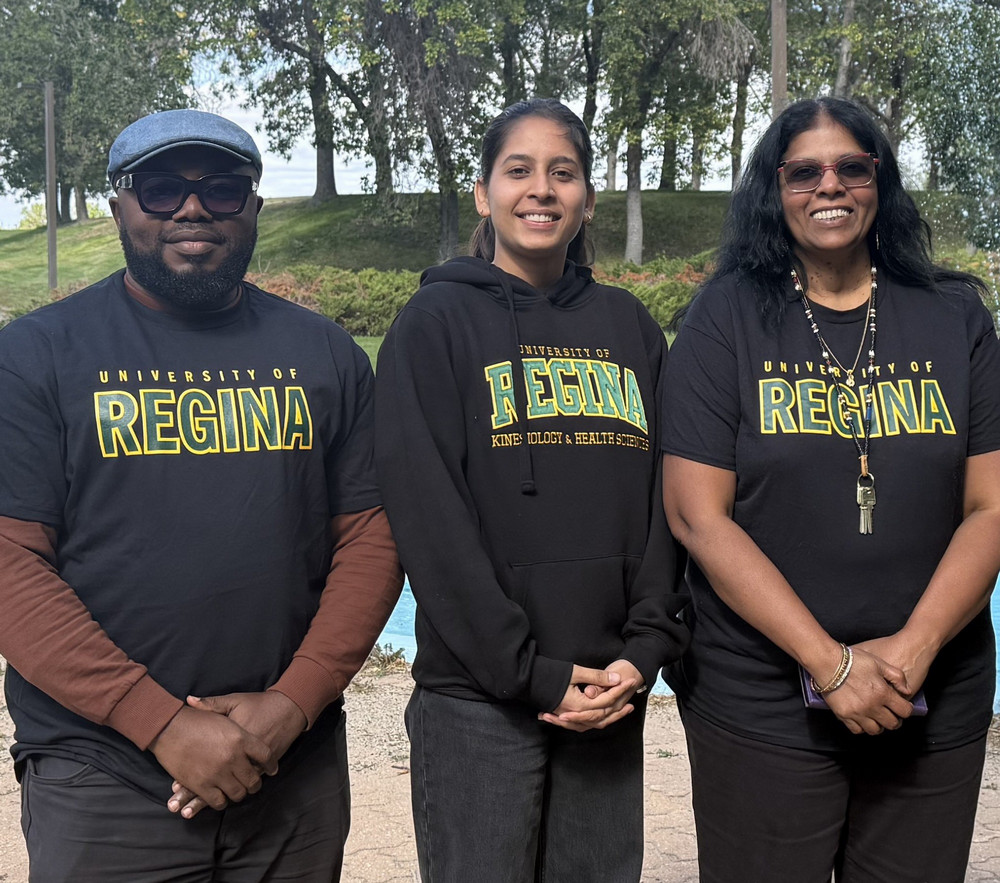
Before building the hub, the project team, including Dr. Sujatha Ross, Advisor in the EDI Office, Chijioke Abiakwe, Student Research Assistant; and Vanshita Agarwal, Student Administrative Assistant, conducted a review of how universities across Canada make EDI resources publicly accessible. The findings helped identify a gap, particularly around fragmentation and discoverability, and informed the development of a hub tailored to the U of R’s strengths and priorities.
Rather than duplicating existing materials, the hub links directly to EDI resources housed within faculties and administrative units, increasing accessibility while maintaining local ownership. This approach supports learning and replication while encouraging collaboration across disciplinary and organizational boundaries.
As requirements for EDI statements continue to be embedded in research funding applications, the hub is also designed as a practical tool for researchers.
“Researchers will be able to reference the hub in proposals and describe how they are drawing on institutional resources to strengthen their EDI commitments. That supports stronger proposals and more intentional research teams,” says Abiakwe, on behalf of the team.
Capturing voices across campus
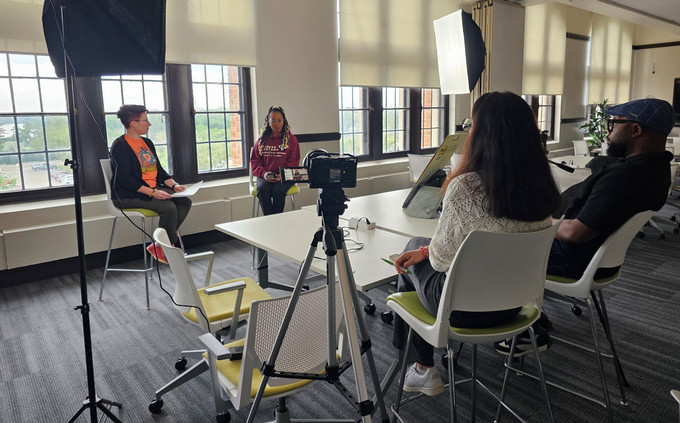
A key feature of the hub is a series of recorded conversations with individuals nominated by faculties and administrative units to speak about EDI initiatives within their areas. To date, 20 videos have been recorded, offering insight into a wide range of practices related to inclusive teaching, research engagement, Indigenous partnership, accessibility, and community collaboration.
Together, the videos and scholars’ EDI research themes make equity, diversity, and inclusion work more visible — grounding it in lived practice, community engagement, and everyday application rather than abstract policy alone. This collaborative effort also reflects what the hub truly envisions becoming.
A living resource for the future
Beyond serving as a directory of resources, the EDI Digital Resource Hub has created space for institutional reflection. Participating units have had the opportunity to take stock of accomplishments, identify gaps, and consider future directions for their work.
“What’s being launched now is only the starting point,” adds Agarwal. “The hub is meant to grow as new initiatives, research projects, and partnerships emerge.”
The hub is also expected to support the university’s ongoing efforts toward Dimensions Recognition, an initiative of the Tri-agency EDI Action Plan by the Natural Sciences and Engineering Research Council of Canada (NSERC), the Canadian Institutes of Health Research (CIHR), and the Social Sciences and Humanities Research Council (SSHRC), which focuses on strengthening EDI in research environments.
“This hub reflects our commitment to fostering a research culture where equity, diversity, and inclusion are understood as foundational to excellence. By connecting people, ideas, and practices across disciplines and units, the EDI Digital Resource Hub creates new opportunities for learning, collaboration, and innovation locally and globally. As a living resource, it will continue to grow alongside our community and support meaningful, inclusive research well into the future,” says Dr. Chris Yost, Vice‑President (Research), at the U of R.
Strengthening collaboration locally and globally
One of the long-term goals of the hub is to strengthen connections across the university’s research ecosystem to better support the integration of EDI into research and related work. By reducing silos and increasing visibility, the platform aims to help researchers and units identify shared interests and explore opportunities for collaboration, both within the institution and with partners nationally and internationally.
The EDI Digital Resource Hub is an evolving foundational resource, not a finished product. It creates the conditions for better conversations, stronger relationships, and more inclusive practices. The work doesn’t end with a launch, it continues as people use, contribute to, and grow the hub over time.
Explore the EDI Digital Resource Hub.
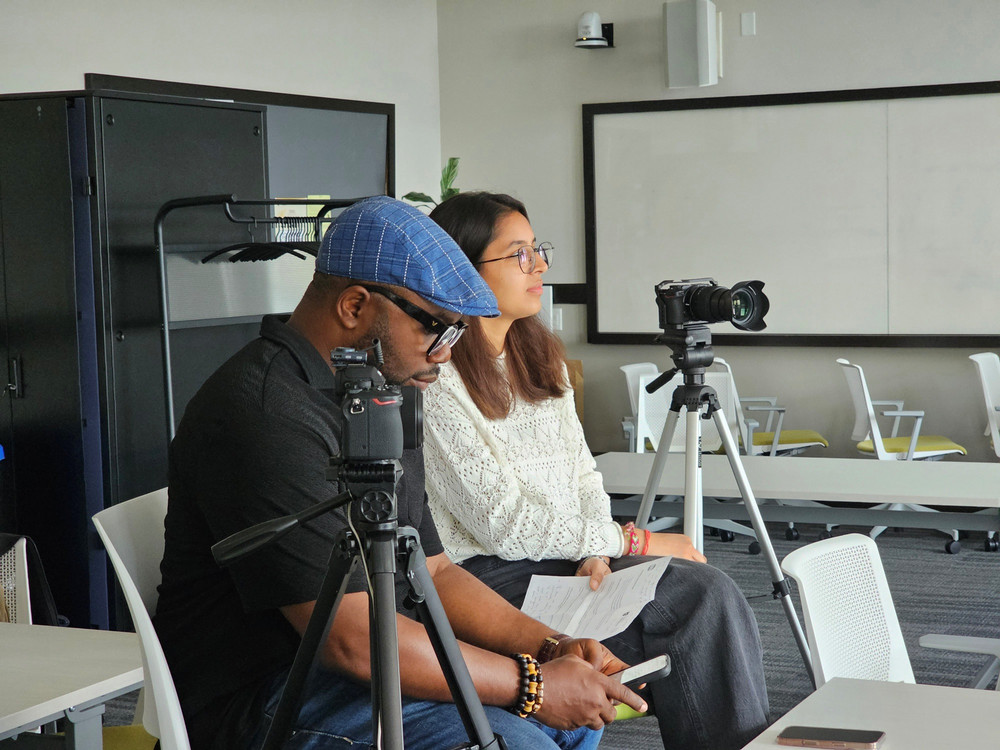
Banner Photo: Lights, camera, action. Chijioke Abiakwe and Vanshita Agarwal filming for the EDI Digital Resource Hub. Credit: Photo courtesy of the EDI Digital Resource Hub project team.
About the University of Regina
At the University of Regina, we believe the best way to learn is through access to world-class professors, research, and experiential learning. We are committed to the health and well-being of our more than 16,600 students and support a dynamic research community focused on evidence-based solutions to today’s most pressing challenges. Located on Treaties 4 and 6—the territories of the nêhiyawak, Anihšināpēk, Dakota, Lakota, and Nakoda peoples, and the homeland of the Michif/Métis nation —we honour our ongoing relationships with Indigenous communities and remain committed to the path of reconciliation. Our vibrant alumni community is more than 95,000 strong and enriching communities in Saskatchewan and around the globe.
Let’s go far, together.
Related Posts

Campus Life,
Teaching & Learning,
Community
AI Literacy and the New Age of Thinking: What Experts Want You to Know

Research,
Campus Life,
Truth & Reconciliation,
Community,
Teaching & Learning
University of Regina Launches New Strategic Plan: Together, We Serve
Teaching & Learning