

Campus Life,
Teaching & Learning,
Community
Meeting new people at dinner parties always leads to the same question for Dr. James Gacek, an associate professor of criminology at the University of Regina. They want to know if he catches criminals or analyzes crime scenes as part of his job.
Gacek has a ready answer.
"I always have to take a minute, take a pause, and remind them that, as a criminologist, I do study crime problems," Gacek says. "However, I also study the ways in which we understand these problems, because many in our society have their own perspectives on crime and justice."
I do study crime, criminals, and criminality — but it's not just understanding crime, criminals, and criminality. It's getting to the heart of why we think these are problems to begin with. — James Gacek, PhD, Associate Professor and Associate Head, Department of Criminology, University of Regina
This broader approach to understanding systemic harm was the impetus for a major shift at the U of R. From May 1, 2026, the Department of Justice Studies will have a new name — the Department of Criminology.
An earned evolution
The transition marks the end of a five-year journey that began in 2021. Students, faculty, alumni, and community stakeholders were involved in extensive consultations focused on uncovering what the program was doing well and where opportunities existed to adapt and transform. The process led to a formal realignment in 2022 that matches course offerings to community needs, the strengths of its expanding faculty, and student experience.
"What we can control in our department is the student experience,” Gacek says. “My role has been to get a better appreciation for student experience, help students navigate their programs in our department, and help students find a more coherent way to appreciate the path that they are on, especially as they move beyond our programs into justice professions.”
Confronting social justice realities
While the public often views criminology through the lens of “police, courts, and corrections”, the U of R program deliberately widens the scope.
The modernized curriculum now includes forward-looking courses such as Crime Intelligence and Analysis, Decolonizing Justice, and Indigenous Policing in Canada.
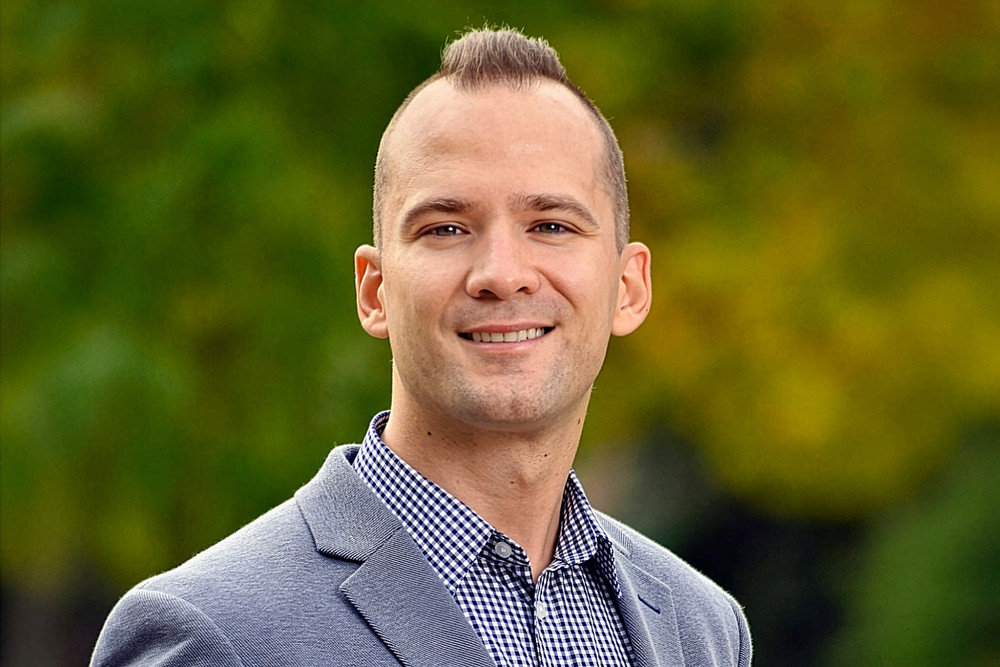
Gacek applies the same human-first approach to his own research on aging in custody, frequently speaking with older individuals navigating life outside the system.
“Even if that just means, at the bare minimum, I’m a concerned listener to these older people who may never have had anyone listen to them or hear what they have to say,” Gacek explains. “I think that is important; it speaks to the human nature of understanding those who are brought into and released from the justice system.”
It is a philosophy he shares whenever the “dinner party” question arises. “I critically think about crime, and hopefully, find solutions,” he says. “I do study crime, criminals, and criminality — but it’s not just understanding crime, criminals, and criminality. It’s getting to the heart of why we think these are problems to begin with.”
Community connections and student care
The U of R program engages directly with Saskatchewan's justice realities, from high incarceration rates to rural policing demands. Through active partnerships with the John Howard Society of Saskatchewan, Family Service Regina, Ranch Ehrlo, and the Regina Police Service, among other organizations, students observe restorative justice and social services in action.
Inside the department, faculty prioritize an environment of academic care. "Our students characterize the department as caring and compassionate of their interests," Gacek notes. "It really summarizes down to the word connection."
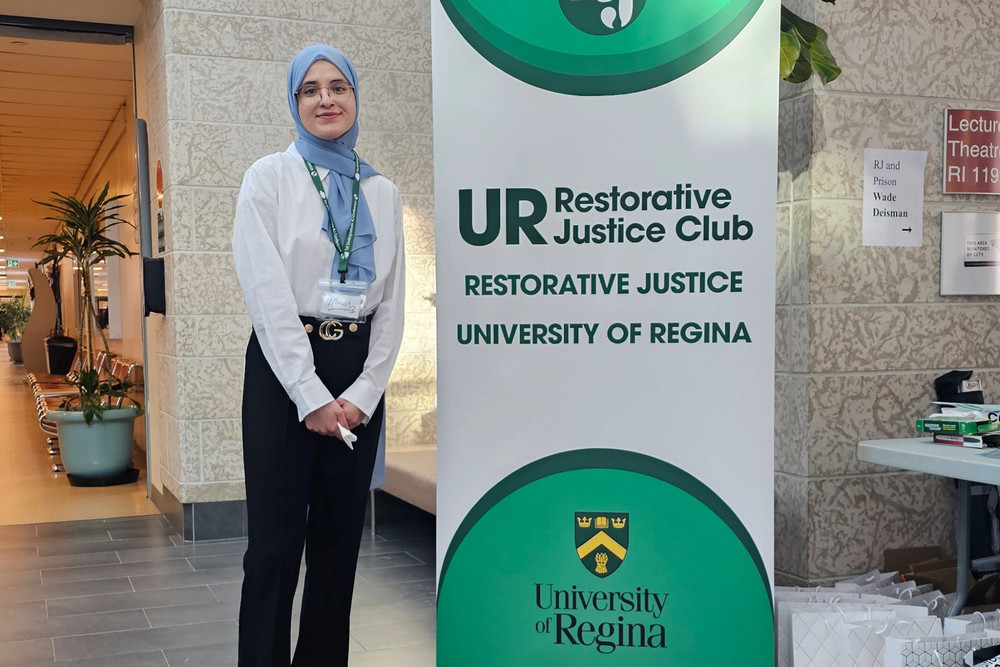
For Nimra Burki, a graduating student in the Class of June 2026, that dedication was transformative.
“The former Department of Justice Studies is unique in that it does not settle for simply teaching students; rather, the Department is committed to providing opportunities and investing resources into the professional, academic, and personal goals of its students,” Burki says. “Never once, as a Justice Studies student, have I felt neglected by our department. Instead, student interests have always been a clear priority.”
Two degrees, distinct professional lenses
The rebrand also clarifies the academic paths available to students. The department offers two primary undergraduate degrees: the Bachelor of Arts in Criminology and the Bachelor of Arts in Police Studies.
"Both programmes provide an appreciation for issues around crime, law, and order, but they look at it through different lenses," Gacek explains.
The Police Studies program remains a vital professional pathway, involving three years of academic coursework followed by a potential opportunity to intern and train with a recognized police service such as the Royal Canadian Mounted Police (RCMP) and Canadian Border Services Agency (CBSA).
Navigating the transition
The spring 2026 transition prioritizes continuity. Current students can graduate with their existing degree designation without switching. For those who wish to transfer into the new Criminology program, the University has provided comparison guides and advisors to help map out the change.
Ready to turn your interest in social justice into a career? Explore the new programs in the Department of Criminology and find out how our community-rooted approach to learning can help you make an impact.
As the U of R implements its new strategic plan, Together, We Serve, the Department of Criminology models a commitment to producing research with real-world impact.
"If you have an interest in the relationship between crime and society," Gacek says, "then look no further than joining our department."
Banner image: Think criminology is all crime scenes and evidence boards? Think again. The U of R's newly rebranded Department of Criminology takes students beyond the television tropes to address the social justice realities at the heart of the system. Photo credit: Adobe Stock Images
About the University of Regina
At the University of Regina, we believe the best way to learn is through access to world-class professors, research, and experiential learning. We are committed to the health and well-being of our more than 16,600 students and support a dynamic research community focused on evidence-based solutions to today’s most pressing challenges. Located on Treaties 4 and 6—the territories of the nêhiyawak, Anihšināpēk, Dakota, Lakota, and Nakoda peoples, and the homeland of the Michif/Métis nation —we honour our ongoing relationships with Indigenous communities and remain committed to the path of reconciliation. Our vibrant alumni community is more than 95,000 strong and enriching communities in Saskatchewan and around the globe.
Let’s go far, together.
Related Posts

Research,
Campus Life,
Truth & Reconciliation,
Community,
Teaching & Learning
University of Regina Launches New Strategic Plan: Together, We Serve
Teaching & Learning
Discover Your Direction: Chief Payepot Students Experience a Day of Campus Life

Community,
Campus Life,
Teaching & Learning