Teaching & Learning,
Community
For many Indigenous students, coming to university means more than just starting classes. It means stepping away from their community into an unfamiliar system, all while carrying personal and historical experiences with them that can make the transition especially challenging. The nitôncipâmin omâ Student Success Program (omâ Program) at the University of Regina helps Indigenous students navigate that journey by building community, providing academic support, and creating a culturally affirming space where they can thrive.
A community of support
Heather Carter, the Student Success Facilitator with the omâ Program, works closely with students throughout their first year. Many participants are first-generation university students who are learning how to navigate university for the first time.
“The goal of the omâ Program is to create a community of belonging and support around the students,” says Carter. “Through our programming sessions we offer academic and skills workshops, coupled with introductions to campus services and opportunities for cultural identity confirmation which set students up to be autonomous and independent on campus as they move out of the program.”
I haven’t been in school in 20 years, and I’m 49 years old. omâ gave me the support system that I have needed to succeed. To me, that is worth its weight in gold. — Damon Delorme, omâ Program participant and Indigenous Environmental Science student
Each semester, there are seven classes with reserved seats for omâ students. Depending on a student’s degree requirements, they choose from the selection of available courses and then attend each course with a cohort of other omâ students and a dedicated tutor. The tutor then prepares material for review sessions based on the course material and offers two one-hour tutoring sessions per week.
Students also have opportunities to build relationships with the team in ta-tawâw Student Centre and volunteer at events and within the community. Knowledge Keeper Preston Littletent and Kokum Lillian Campbell provide the students the opportunity to learn about and participate in cultural ceremonies and events, including Neekaneewak Round Dance and sweat lodges, among others.
“We want to create an environment of support and give students these experiences so that they realize their potential,” says Carter. “Our goal is to see them go into their second year of classes with the skills they need to be successful students and the confidence they need to become advocates for change within their communities.”
Developing mentors and future leaders
Indigenous Studies student Alexa Bird is from the Peepeekisis Cree Nation, and she initially found out about the omâ Program after talking to a post-secondary coordinator at her Band office.
“As an Indigenous person, I have experienced intergenerational trauma as a result of residential schools and abusive relationships,” says Bird. “When I was in high school I was really focused on finishing and getting my diploma.”
Moving to Regina and starting university was overwhelming at first, but Bird soon felt reassured as she began to attend omâ programming sessions.
“Meeting the staff with the omâ Program and the ta-tawâw Student Centre started to bring me out of my shell,” says Bird. “I did have a lot of trouble adjusting at first but knowing there were people here that I could talk to and were willing to help me out really helped to ease that transition.”
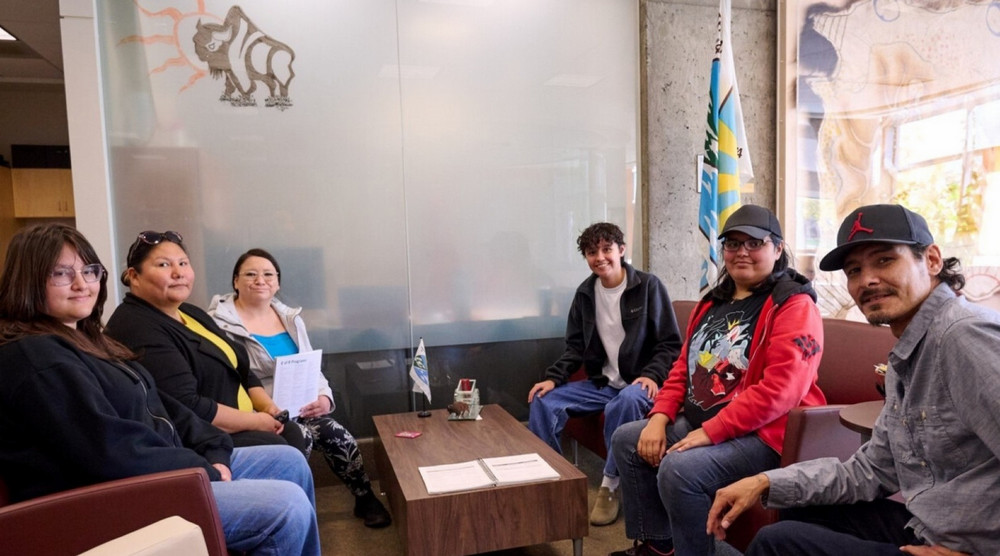
The goal of the omâ Program at the ta-tawâw Student Centre is to create a community of belonging and support around Indigenous students. Credit: Photo by University Communications and Marketing
Bird recently finished her third year at the U of R and now works as an Introduction to Indigenous Studies (INDG 100) tutor with the omâ Program.
“It’s very rewarding to work with first-year students and see them learning things that I taught them,” says Bird. “I hope to see even more people participate in the omâ Program, it has given me opportunities to learn and to develop ideas about how I want to establish my future.”
The support needed to succeed
Damon Delorme made the decision to return to university after an expansive career in construction, human services, and with his First Nation Band’s Chief-in-Council. He had initially heard about the omâ Program from his son, a former omâ student.
“After managing a homeless shelter in downtown Regina for a few years, it became very heavy on my mental health,” says Delorme. “I took a step back to explore different options for how I could advocate for my people at a different level. I decided that I needed to further my education to complement my resume.”
Delorme is pursuing a Bachelor of Science in Indigenous Environmental Science through First Nations University, and he completed his first year in the omâ Program in the Winter 2026 semester.
“Without the omâ Program, I would have been lost. I would not have found the success that I have had in school so far,” says Delorme. “It gave me a sense of community, and it gave me the courage to come to school every day.”
A residential school survivor, Delorme acknowledges that coming to university after avoiding school for several years was a huge feat for him. He credits the omâ Program for being the “soft pillow landing” that he needed when he began at the U of R last fall.
“I haven’t been in school in 20 years, and I’m 49 years old. omâ gave me the support system that I have needed to succeed,” says Delorme. “To me, that is worth its weight in gold.”
Acknowledging and addressing systemic barriers
Carter also stresses the importance of recognizing the historical trauma and systemic inequities that exist in the education system, and how that still affects Indigenous post-secondary students today. The omâ Program gives students the confidence and skills they need to take control of their experience and their education during their time at the U of R.
“We have students who are residential school survivors or who have been failed by the education system in this province in many other ways,” says Carter. “When they come to university, giving students the skills they need to navigate an institutional academic environment is very important. Even the strongest students find it easier when they are surrounded by community. We’re here to create a safer space for students who are experiencing university for the first time.”
The omâ Program is free to participate in and is open to students of Canadian Indigenous ancestry who have been accepted into a faculty at the University of Regina. Students receive academic guidance, tutoring, workshops, career support, and opportunities to build community through cultural and leadership programming. Interested? Apply now for the 2026-2027 nitôncipâmin omâ̂ Student Success Program.
As students progress through the program and complete their degrees, Carter says she sees growing confidence, stronger cultural identity, and emerging leadership skills.
“A lot of times, Indigenous students coming to university feel like they need to align with the culture of the place they are in,” says Carter. “By providing students with an opportunity where they can pair their academics with their cultural identity and have both of them be lifted up, it allows them to realize their potential as holistic leaders within their chosen degree.”
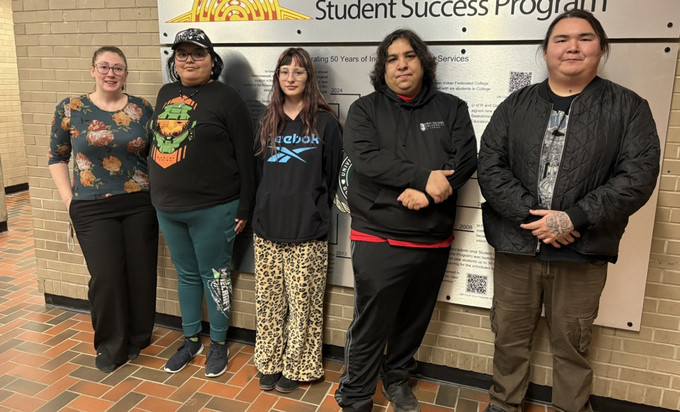
Banner Photo: Heather Carter, Student Success Facilitator with the omâ Program with current and former omâ Program students Alexa Bird, Caitlin Kovach, Paul Stonechild, and Tristan Isaac. Credit: Photo by University Communications and Marketing
About the University of Regina
At the University of Regina, we believe the best way to learn is through access to world-class professors, research, and experiential learning. We are committed to the health and well-being of our more than 16,600 students and support a dynamic research community focused on evidence-based solutions to today’s most pressing challenges. Located on Treaties 4 and 6—the territories of the nêhiyawak, Anihšināpēk, Dakota, Lakota, and Nakoda peoples, and the homeland of the Michif/Métis nation —we honour our ongoing relationships with Indigenous communities and remain committed to the path of reconciliation. Our vibrant alumni community is over 97,000 strong and enriching communities in Saskatchewan and around the globe.
Let’s go far, together.
Related Posts
Teaching & Learning,
Campus Life,
Community
2026 Spring Convocation - Celebration of Achievement, Community, and Lifelong Connections
Teaching & Learning,
Community,
Campus Life
Leaders, Builders, and Changemakers to Receive Honorary Degrees at Spring Convocation

Truth & Reconciliation,
Research,
Teaching & Learning